


It’s Aesthetic, Not Experiential
For many Millennials, nostalgia for the late ‘90s and early 2000s is rooted in actual memory—the sticky feel of a Lip Smacker, the specific frustration of a dial-up modem. But for Gen Z, the primary demographic driving these trends, the connection isn't
personal; it’s aesthetic. They didn't live through the Y2K era as teens or adults, so they have no cringey, firsthand memories of questionable fashion choices. Instead, they see a curated highlight reel of the era’s coolest looks through old movies, music videos, and a million Pinterest boards. This allows them to cherry-pick the best elements—the fun, the rebellion, the futuristic optimism—without being weighed down by the less-flattering realities. They aren't trying to perfectly recreate a Britney Spears music video outfit; they're capturing its vibe.
The Art of the Modern Remix
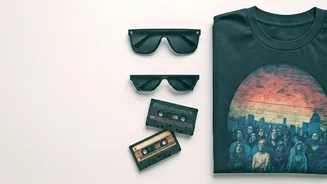
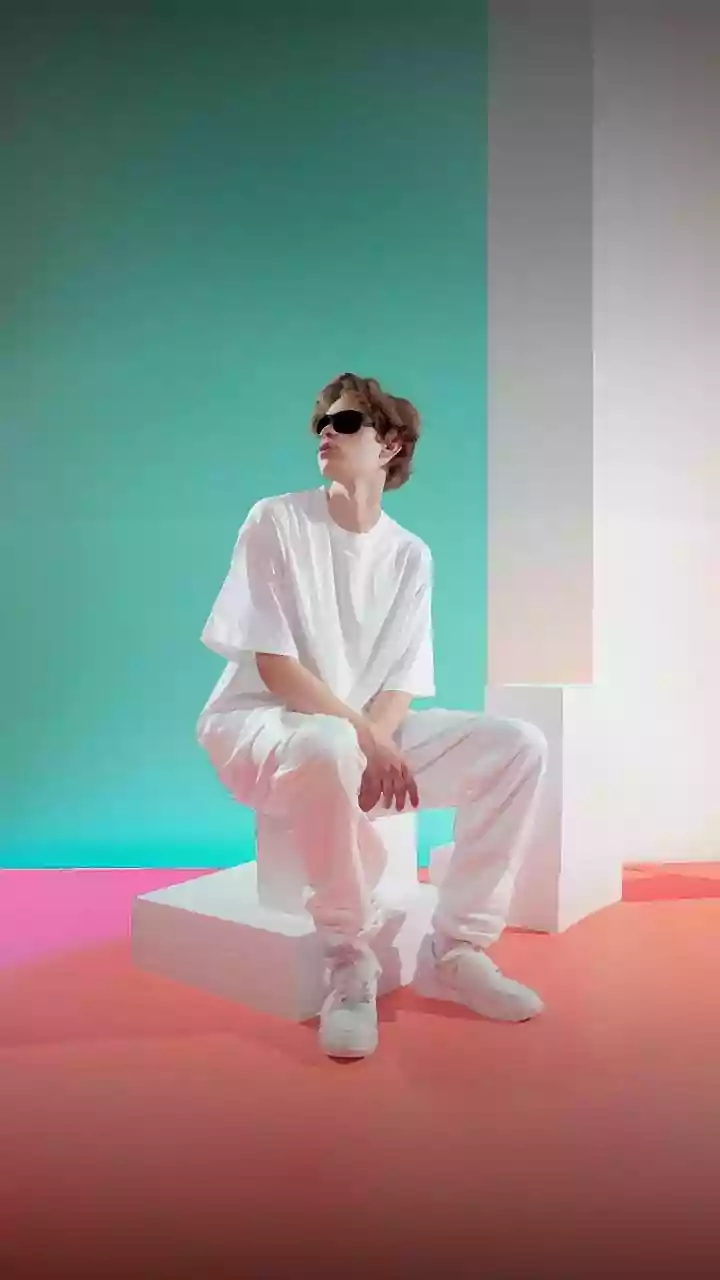
The key to avoiding a dated, costume-party look is the “remix.” It's about surgically inserting a single nostalgic piece into an otherwise contemporary outfit. Think of it as the 80/20 rule: 80% modern, 20% throwback. Someone might wear a pair of classic, wide-leg JNCO-style jeans, but they’ll pair them with a sleek, minimalist top and a brand-new pair of pristine sneakers—not the scuffed-up skate shoes of the past. The silhouette is nostalgic, but the execution is clean and intentional. Low-rise cargo pants return, but they’re cut with a slightly more forgiving fit and made from higher-quality fabrics. A vintage-style band tee is worn oversized with bike shorts, not tucked into ill-fitting mom jeans. This selective updating ensures the reference is clear, but the overall look feels fresh and current, not like a dusty photograph.
The TikTok Trend Accelerator
If fashion trends used to follow a 20-year cycle, social media has put that cycle on hyper-speed. TikTok, in particular, acts as a massive, decentralized fashion archive and trend engine. An influencer can post a video styling a forgotten Y2K accessory, and within days, it becomes a micro-trend. This rapid churn means shoppers are constantly exposed to new-old ideas. One week it’s ‘70s-style crochet tops, the next it’s ‘90s grunge-inspired plaid skirts. This environment encourages experimentation and recombination. Because trends rise and fall so quickly, there’s less pressure to commit to a single decade. Instead, young shoppers treat the past like a giant closet, pulling pieces from different eras to construct a unique, personal style. It’s less about adhering to a specific decade's rules and more about using its aesthetic as a building block for a modern look.
A Search for Comfort and Authenticity
So, why this obsession with the recent past? For many young people navigating a world of economic uncertainty, political polarization, and digital burnout, the pre-9/11 and pre-social media era seems like a simpler, more optimistic time. The fashion reflects this. The baggy, comfortable clothing of the ‘90s offers a physical and psychological reprieve from the constricting, hyper-curated styles that dominated the 2010s. There’s an element of escapism in embracing the low-tech, high-fun aesthetics of Y2K. It’s a way of signaling a desire for authenticity in a world that often feels filtered and performative. Wearing a piece of the past is a small act of control—a way to build a personal identity by connecting with a cultural moment that feels more stable and hopeful than the present.