


Why 'Hardy' Is the New Smart
Before we dive into the list, let's redefine what makes a summer vegetable 'smart.' It’s not about finding the most exotic or high-yielding plant. It’s about choosing varieties that are naturally equipped to handle the stresses of summer, primarily intense
heat and periods of drought. These hardy plants have adapted over generations to thrive when others fail. By choosing them, you're not just planting a vegetable; you're adopting a strategy. This approach means less time spent anxiously hovering with a hose, lower water bills, fewer pest and disease problems (stressed plants are magnets for trouble), and, most importantly, a higher chance of a delicious, rewarding harvest. It’s about working with nature, not against it, for a garden that feels more like a joy and less like a chore.
Okra: The Unsung Summer Champion
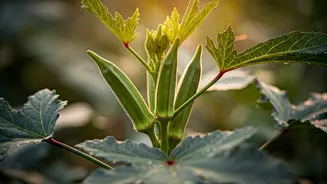
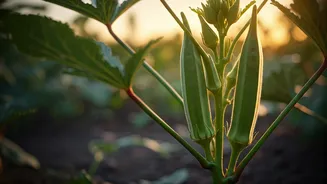
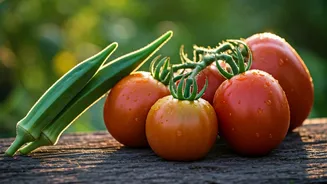
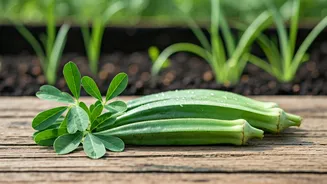
Often overlooked outside of Southern cuisine, okra is a superstar in the hot summer garden. This plant doesn’t just tolerate heat; it craves it. As temperatures soar into the 90s and beyond, okra plants accelerate their growth, producing beautiful, hibiscus-like flowers followed by their distinctive pods. Their deep taproot system makes them impressively drought-tolerant once established, allowing them to search for moisture far below the soil's surface. They are rarely bothered by pests and will produce prolifically until the first frost. *Smart Tip:* Harvest pods when they are young and tender (about 2-4 inches long) to encourage continuous production. If you let them get too large, they become tough and woody, and the plant may slow down its output.
Sweet Potatoes: A Sprawling, Edible Groundcover
While we grow them for the delicious tubers that develop underground, the real star of the sweet potato plant in summer is its foliage. The lush, sprawling vines create a dense, living mulch that shades the soil, keeping it cooler and conserving moisture. This natural groundcover also effectively smothers weeds, saving you a significant amount of work. Native to tropical climates, sweet potatoes adore heat and humidity. They ask for very little once they get going, quietly developing their nutritious roots beneath the soil all summer long. *Smart Tip:* Plant 'slips' (rooted cuttings) after the soil has thoroughly warmed up. Give them plenty of space to run, and don’t overwater, which can lead to root rot.
Swiss Chard: The Cut-and-Come-Again Green
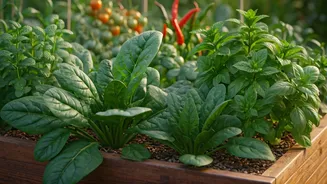
While summer heat causes lettuce to bolt and spinach to fade, Swiss chard stands firm. This resilient biennial, a member of the beet family, is grown for its colorful, nutrient-packed leaves and stems. It tolerates heat far better than most other leafy greens, continuing to produce edible leaves throughout the hottest months, especially if it gets a little afternoon shade in scorching climates. Its best feature is its 'cut-and-come-again' nature. You can harvest the outer leaves continuously, and the plant will keep generating new growth from the center. *Smart Tip:* To harvest, snap or cut the outer stems at the base. Leave the inner leaves intact to ensure the plant continues to grow and produce all season long.
Cherry Tomatoes: Prolific and Heat-Resistant
Many large heirloom tomatoes struggle to set fruit when nighttime temperatures remain high. The pollen can become sterile, leading to a disappointing lack of fruit. Smaller-fruited varieties, however, are often much more resilient. Cherry and grape tomatoes are famously productive and tend to set fruit more reliably in high heat. While they still need consistent watering to prevent splitting, their vigor and sheer output make them a far more reliable choice for a guaranteed summer tomato fix. Varieties like 'Sungold,' 'Juliet,' and 'Sweet Million' are known for their tenacity. *Smart Tip:* Mulch heavily around the base of your tomato plants to retain soil moisture and regulate temperature. Consistent watering is more important than deep, infrequent soaks.
Southern Peas: The Drought-Tolerant Staple
Also known as cowpeas, field peas, or by specific names like black-eyed peas and crowder peas, this category of legume is built for tough conditions. Originating in Africa, they thrive in heat and are exceptionally tolerant of drought and poor soil. Unlike many other garden plants, Southern peas are nitrogen-fixers, meaning they actually improve the soil they grow in by pulling nitrogen from the air and storing it in their roots. They are a perfect choice for a part of the garden where other plants have struggled, providing a delicious crop with minimal input. *Smart Tip:* For a continuous supply, plant a new block of seeds every few weeks. They grow quickly in warm soil and will produce beans in just a couple of months.