



The End of ‘Either/Or’ Eating
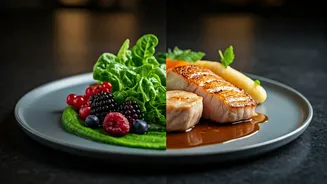
For decades, the American approach to food often felt divided. On one side, you had flavor: indulgent, comforting, and driven by pleasure. Think buttery pastries, rich pastas, and savory fried chicken. On the other, you had function: austere, disciplined,
and driven by health goals. This was the world of steamed broccoli, unseasoned chicken breast, and salads that felt more like a duty than a delight. Choosing one often meant sacrificing the other. That binary is collapsing. A cultural shift, accelerated by the wellness movement and unprecedented access to information, has created a more holistic consumer. We’re no longer willing to accept that healthy food must be bland or that flavorful food must be a “guilty” pleasure. Instead, we’re demanding a synthesis. The modern meal isn't just fuel; it's a tool for optimization. We want our lunch to not only satisfy our hunger but also sharpen our focus for the afternoon. We expect our dinner to not only taste great but also support our gut health or reduce inflammation.
So, What Is a ‘Functional’ Meal?
When we talk about “function,” we’re moving beyond basic macronutrients like protein, carbs, and fats. A functional meal is designed with specific biological outcomes in mind, using ingredients prized for their targeted benefits. This isn't about vague promises; it’s about incorporating foods known to have a direct impact on the body’s systems. Think of it as a software update for your diet. This includes ingredients like adaptogens—herbs and mushrooms such as ashwagandha and Lion’s Mane, believed to help the body manage stress and improve cognitive function. It means prioritizing anti-inflammatory powerhouses like turmeric and ginger. It’s about nurturing the microbiome with probiotic-rich fermented foods like kimchi, kefir, and kombucha. These aren’t obscure health-store items anymore; they are becoming pantry staples. A functional meal integrates these ingredients thoughtfully, turning a simple bowl of soup or a morning smoothie into a strategic wellness choice.
Flavor as the Delivery System
Here’s the crucial part: none of this works if the food isn’t genuinely delicious. Function without flavor is a short-lived fad. You might force down a chalky protein shake for a week, but you won’t make it a lifestyle. The real innovation is happening in the kitchen, where culinary technique meets nutritional science. Chefs and food brands are mastering the art of making function palatable—and even crave-able. That earthy turmeric isn't just dumped into a smoothie; it’s balanced with sweet mango, creamy coconut milk, and a kick of black pepper (which also enhances its absorption). The slightly bitter notes of adaptogenic mushrooms are masked in rich, dark chocolate bars or brewed into robust coffee blends. Gut-friendly kimchi isn’t eaten reluctantly on the side; it’s the star ingredient providing a tangy, spicy crunch in a savory pancake or a modern taco. Flavor is no longer an afterthought; it’s the essential vehicle that makes functional eating sustainable and enjoyable.
From Niche Health Trend to Mainstream Aisle
What started in niche wellness circles and high-end Los Angeles cafes has officially hit the mainstream. Walk down the aisles of a typical grocery store, and you’ll see the evidence everywhere. Yogurts are fortified with probiotics and extra protein. Cereal boxes boast about brain-boosting ingredients. Even sparkling water is now infused with nootropics and adaptogens promising calm or focus. This isn't just happening in packaged goods. Restaurant menus increasingly highlight the functional benefits of their dishes. A curry might be described as “anti-inflammatory,” while a grain bowl is promoted for its “energy-sustaining” properties. This transparency reflects a deeper understanding from consumers, who are more educated and curious than ever about what’s in their food and what it can do for them. The demand is clear: don't just feed us, improve us. And make it taste amazing while you do it.