
1. The Minimalist Look of Water Propagation
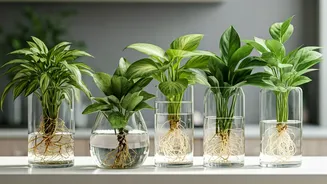
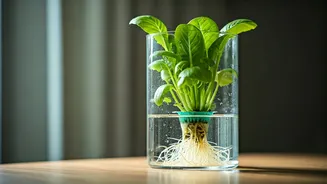
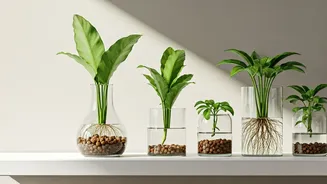
The simplest entry into soilless gardening is also one of the most elegant: growing plants in water. Think of a classic Pothos cutting rooting in a beautiful glass vase on a windowsill. This method strips indoor gardening down to its essential elements:
the plant and water. By removing soil, you eliminate the visual bulk of a traditional pot, allowing the focus to shift to the intricate root structures and vibrant green leaves. Displaying plants this way feels intentional and scientific, like a living piece of art. Clear glass vessels—from simple jars to chic, modern test tubes—turn the plant's entire life cycle into a decorative feature. It's a perfect solution for small spaces, minimalist interiors, and for anyone who loves watching life grow in real time.
2. The Architectural Appeal of Semi-Hydroponics
For those ready to graduate from simple water propagation, semi-hydroponics offers a more permanent and visually striking solution. The star of this method is LECA, or Lightweight Expanded Clay Aggregate. These small, porous clay balls replace soil, providing a sterile and stable environment for roots to thrive. Aesthetically, LECA is a game-changer. The uniform, terracotta-colored spheres provide a clean, architectural base that complements modern and industrial decor. Unlike soil, which can look messy, LECA offers a tidy, uniform texture that feels curated and neat. It’s often used in clear glass containers, creating a layered look with the water reservoir at the bottom, the clay pebbles in the middle, and the plant on top. This method not only looks sharp but also improves aeration and reduces the risk of overwatering, making it a functional upgrade as well.
3. The Sculptural Magic of Air Plants
Air plants (Tillandsia) are the true rebels of the plant world—they don't need any growing medium at all. These epiphytes naturally grow on other plants, trees, and rocks, absorbing moisture and nutrients through their leaves. This unique trait makes them incredibly versatile for home decor. You can tuck them into geometric metal holders, place them in open-air terrariums, mount them on driftwood, or even arrange them in a bowl as a living centerpiece. Their freedom from soil allows for creative displays that are impossible with traditional potted plants. Air plants bring a quirky, sculptural element to any room. Their wild, spiky shapes and silvery leaves offer a dramatic contrast to smooth, modern surfaces, making them feel like tiny, living sculptures that can be placed almost anywhere.
4. Why 'Soilless' Feels So Fresh
The freshness of soilless plants goes beyond their look. First, there's the cleanliness factor. No soil means no dirt tracked onto your floors, no messy repotting sessions, and a significant reduction in common household pests like fungus gnats, which lay their eggs in moist topsoil. This makes for a healthier and more pleasant indoor environment. Second, the soilless approach encourages a deeper connection with your plants. When you can see the roots growing in water or monitor the moisture level in a LECA setup, you become more attuned to the plant's needs. This visibility demystifies plant care and can make you a more confident plant parent. The overall effect is a sense of control and tidiness that transforms the feeling of having plants from a chore into a clean, curated hobby.
5. How to Get Started Without the Stress
Dipping your toes into the soilless world is easy. Start with water propagation. Take a cutting from a hardy plant you already own, like a Pothos, Philodendron, or Spider Plant. Place it in a jar of water and change the water weekly. For LECA, start with a plant that’s been propagated in water first. Once it has a healthy root system, you can transition it into a pot with LECA and a nutrient-infused water reservoir. For air plants, simply buy one from a local nursery or online. To care for it, just soak it in water for about 20-30 minutes once a week, let it dry completely upside down to prevent rot, and place it back in its decorative spot. The key is to start small with one plant and one method to see how you enjoy the process.