







A Sun Salutation on a National Scale
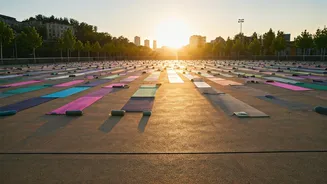
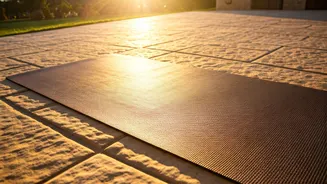
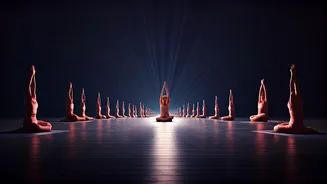
Imagine a public park, but instead of scattered picnics, there are tens of thousands of yoga mats arranged in perfect grids. This is the scene on June 21st, the International Day of Yoga. Since its inception, the day has become a fixture in the Indian
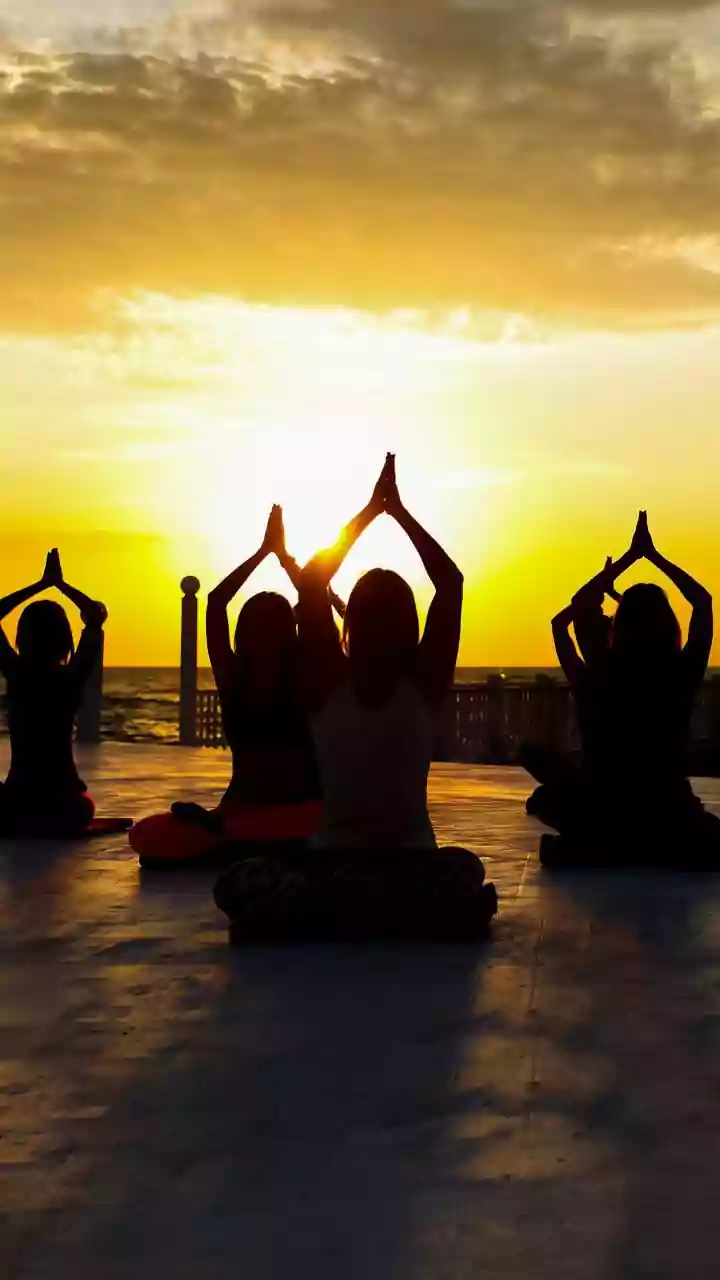
calendar, marked by massive, often government-sponsored, public yoga sessions. Prime Minister Narendra Modi himself typically leads a main event, joined by cabinet members, soldiers, and citizens in a powerful display of unity and wellness. These gatherings aren't confined to India's major cities; they happen in towns, villages, and even on naval ships and at high-altitude army bases. The scale is staggering, designed to be visually impressive and broadcast globally, turning a personal practice into a collective, public-facing performance of national identity.
More Than a Holiday, It’s Diplomacy
The International Day of Yoga didn’t just happen; it was a calculated act of cultural diplomacy. In 2014, in his first address to the UN General Assembly, Prime Minister Modi proposed the idea, calling yoga "an invaluable gift of India's ancient tradition." He pitched it not as a religious practice, but as a universal path to well-being and harmony. The resolution was adopted in record time, co-sponsored by an unprecedented 177 nations. For India, this was a major soft-power victory. In an era where countries compete for influence, India successfully positioned itself as the global authority on wellness, gifting the world a practice that promotes peace and health—a powerful alternative to flexing military or economic muscle.
Yoga as India’s Global Brand
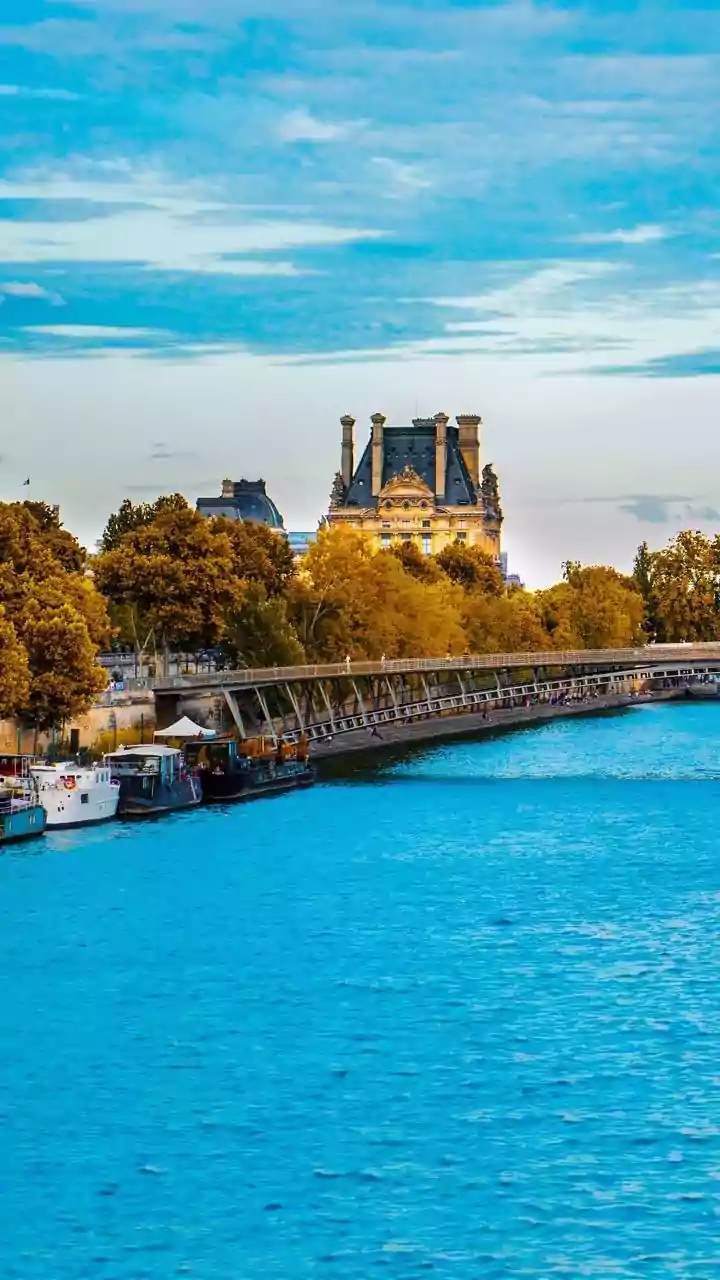
While Americans might associate yoga with Lululemon, goat yoga, and expensive studio memberships, India is using Yoga Day to reclaim and redefine its narrative. The event serves as a massive, annual branding campaign. It reinforces yoga’s origins at a time when its Westernized forms have become a multi-billion-dollar industry, often detached from their spiritual roots. By promoting a more holistic version—one that emphasizes breathing (pranayama), meditation, and mental clarity alongside physical postures (asanas)—India presents itself as a source of authentic wisdom in a stressed-out world. Indian embassies and consulates around the globe, from New York's Times Square to Paris's Eiffel Tower, organize their own events, effectively turning the day into a global advertisement for Brand India.
An Ancient Practice, A Modern Meaning
Within India, the day is also a fascinating blend of the ancient and the modern. While yoga is a discipline with thousands of years of history, these state-led, mass-participation events are a thoroughly 21st-century phenomenon. They align with a rising sense of national pride and the Modi government's emphasis on Hindu cultural heritage. For many participants, it’s a moment to connect with their culture in a way that feels both traditional and contemporary. However, the event is not without its domestic critics, who sometimes see its promotion by a Hindu nationalist government as a subtle way of marginalizing the country's religious minorities. Regardless, for the average person rolling out their mat, it’s often a simpler affair: a chance to be part of a positive, health-focused community event that feels bigger than oneself.