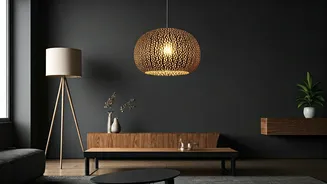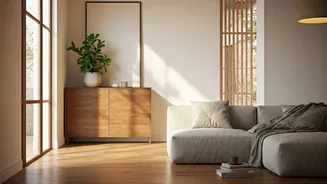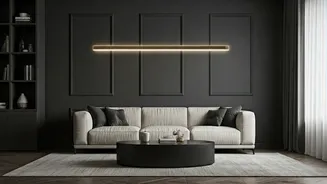




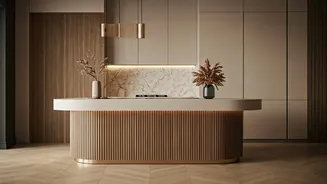
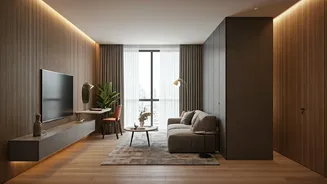

Light Instantly Defines the Mood
You can have the most beautiful furniture in the world, but if it’s all sitting under the harsh, cold glare of a single overhead fixture, the room will feel more like a doctor's office than a sanctuary. Lighting is the primary tool for setting a room's
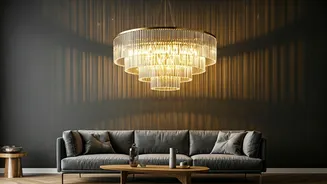
emotional tone. A simple dimmer switch, which an electrician can install relatively cheaply, can take a dining room from a bright, functional space for homework to a soft, intimate setting for dinner. Swapping cool-toned LED bulbs for warm-toned ones (look for a color temperature around 2700K) can make a living room feel instantly cozier and more inviting. This ability to dial in the atmosphere on command is something a new rug or throw pillow simply can’t replicate.
It Creates the Illusion of Space
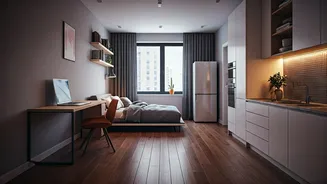
Strategic lighting is an interior designer’s best trick for manipulating the perception of space. A dark room with poorly distributed light will always feel smaller and more cramped than it actually is. By contrast, a well-lit room feels bigger, cleaner, and more open. Want to make a low ceiling feel higher? Use uplighting from a floor lamp to wash the ceiling in light, drawing the eye upward. Need to make a narrow hallway feel wider? Install wall sconces that cast light horizontally. By bouncing light off surfaces, you erase shadows that visually shrink a room’s dimensions. This architectural effect delivers a sense of transformation that would otherwise require moving walls.
You Can Spotlight What You Already Own
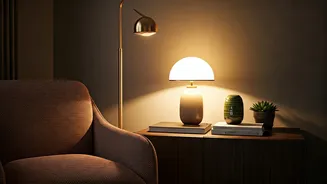
Before you replace decor you think is tired, try highlighting it. Accent lighting is designed to draw attention to specific features, turning them into focal points. A simple, adjustable picture light can make a piece of art pop, giving it gallery-quality importance. A small spotlight aimed at a textured brick wall or a beautiful houseplant creates drama and depth. Instead of spending hundreds on new decor to fill a boring corner, place an affordable floor lamp there to create a warm, inviting reading nook with a chair you already have. Good lighting doesn't just illuminate a room; it curates it, telling guests where to look and celebrating the items you've already chosen to live with.
Layering Light Adds Sophistication and Function
Most rooms suffer from a single, boring light source: one central ceiling fixture. Professional designers think in layers: ambient, task, and accent lighting. Ambient light is the overall illumination (your overhead fixture). Task lighting is focused light for specific activities, like under-cabinet light in the kitchen for chopping vegetables or a desk lamp for working. Accent lighting, as mentioned, creates focal points. A room with all three layers feels complete, dynamic, and far more expensive than it is. Adding a floor lamp (ambient/task) and a small table lamp (accent) is a simple weekend project that fundamentally changes how a room looks and functions, providing a level of polish that buying a new console table can't achieve on its own.
The Cost-to-Impact Ratio Is Unbeatable
This is the bottom line. A new, decent-quality sofa can cost well over $1,500. Repainting a room can cost several hundred dollars, even if you do it yourself. A major decor overhaul involving new furniture, rugs, and art can easily run into the thousands. In contrast, you can fundamentally transform a room's lighting for a fraction of that. A set of smart bulbs with adjustable color and brightness can cost less than $50. A stylish new floor lamp might be $100–$200. Installing a dimmer switch is a minor electrical job. For less than the price of a single armchair, you can add layers, create mood, and make your entire space feel newer and more thoughtfully designed.