






Beyond the Bicep Curl
For decades, the gym was a predictable place. You had your cardio section, your machine circuit, and the free-weight area where serious lifters grunted in front of mirrors. You’d pick a body part and work it into submission. But that model is fading.
The new philosophy isn’t about isolating muscles; it’s about integrating them. The revolution taking over gyms is a shift away from aesthetic-only goals and toward performance, longevity, and real-world capability. It values movement over machines and community over isolation. This isn’t about one specific brand or trendy class, but a fundamental change in what we expect from a workout: to make us better at life, not just better at lifting a dumbbell.
The Rise of Functional Fitness
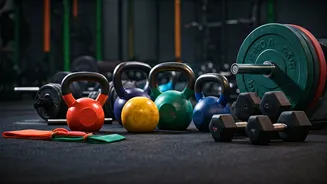
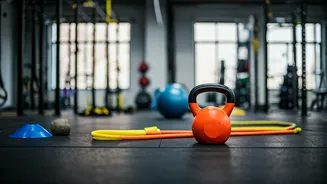
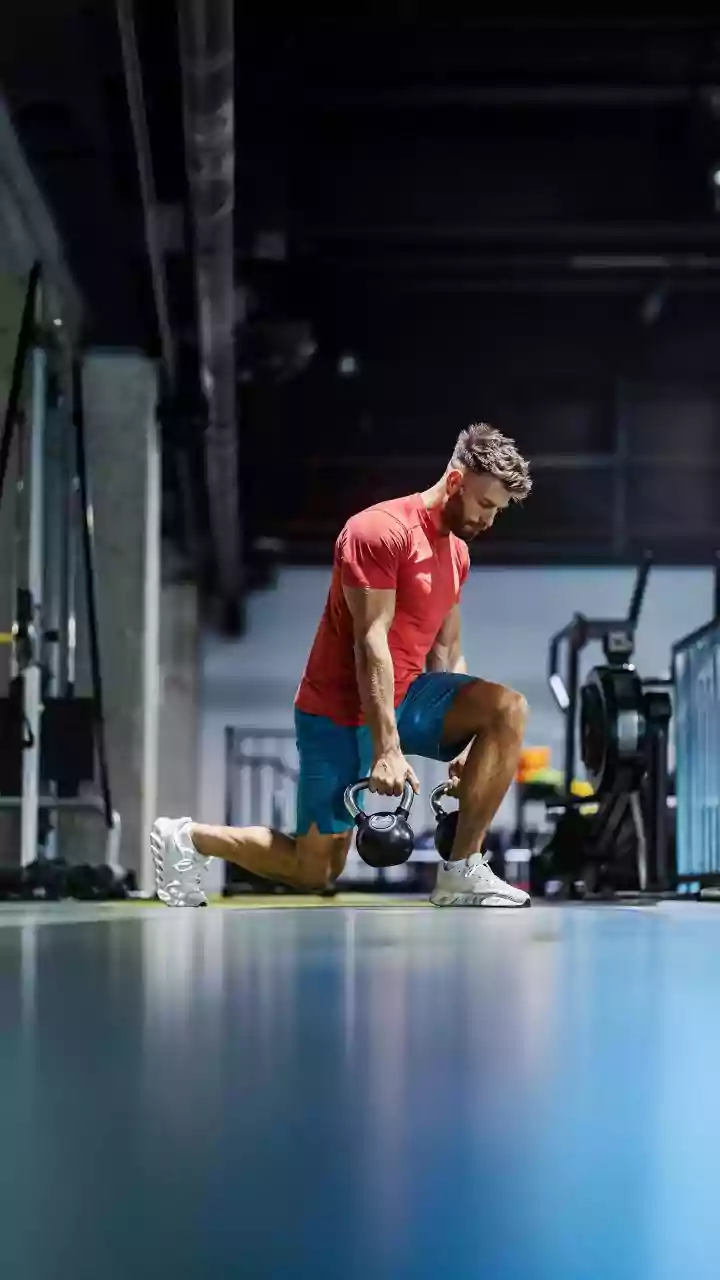
The core of this new wave is “functional fitness.” It’s a term that gets thrown around a lot, but the concept is simple: train for movements you actually perform in your daily life. Think about lifting a heavy suitcase into an overhead bin, carrying all your groceries in one trip, or playing with your kids in the backyard without getting winded. Workouts are now built around fundamental human movements: pushing (like a sled push), pulling (like rope pulls), squatting, hinging, and carrying. That’s why you’re seeing more open floor space, turf lanes, sandbags, and kettlebells. These tools encourage compound movements that engage your entire body, improve your balance and coordination, and build a type of strength that’s useful long after you leave the gym.
Meet the 'Hybrid Athlete'
This new training style has given rise to a new identity: the “hybrid athlete.” This isn’t a professional competitor, but an everyday person who refuses to be put in a box. They aren't just a “runner” or a “lifter.” They are both, and maybe a climber and a swimmer, too. The hybrid athlete embraces variety, combining strength training, endurance work, and skill-based activities. One day they might focus on a heavy deadlift, the next they’re training for a 10K run, and on the weekend they’re at a climbing gym. This approach prevents burnout, builds a more well-rounded physique, and makes fitness feel more like play. Gyms are catering to this by offering diverse equipment and classes that support mixing disciplines, breaking down the old walls between strength and cardio.
Community Is the New Currency
Perhaps the biggest departure from the old gym model—think headphones on, head down, don't make eye contact—is the emphasis on community. Small group training and class-based environments like CrossFit, F45, and Orangetheory paved the way, proving that people work harder and stay more consistent when they’re part of a team. This ethos has now bled into the mainstream. More gyms are designing their spaces to foster interaction, with shared workout zones and group challenges. The social element provides accountability, motivation, and a sense of belonging. For many, the gym has become a “third place”—a social hub outside of home and work where they can connect with like-minded people, turning a solo chore into a shared passion.
Recovery Is Now Part of the Workout
The final piece of the revolution is the understanding that progress isn’t just made during the workout; it’s cemented during recovery. Modern gyms are transforming into all-in-one wellness hubs. It’s no longer just about the iron you lift, but also the recovery you prioritize. Premium facilities now feature dedicated recovery lounges with tools once reserved for pro athletes: percussive massage guns, pneumatic compression boots, infrared saunas, and even cold plunge tubs. This signals a more holistic approach to health. The message is clear: pushing your body to its limits is only half the equation. Properly managing stress, reducing inflammation, and promoting repair is essential for long-term consistency and results.