
The West’s New Favorite Green
In the United States, moringa has quietly become a staple of health food stores and smoothie bars. Sold primarily as a powder or in capsules, it’s marketed as a powerhouse of nutrients. Proponents claim it’s packed with antioxidants, vitamins, and minerals,
rivaling kale and matcha for the superfood crown. It's been touted for everything from reducing inflammation to boosting energy, creating a wellness buzz that has made *Moringa oleifera*, a tree native to the Indian subcontinent, a trendy new addition to the American health-conscious diet.
An Ancient Kitchen Staple
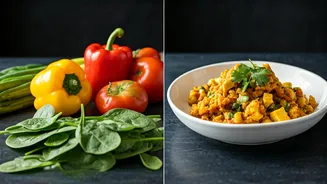
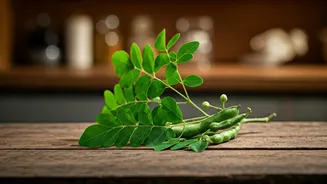
But to call moringa “new” is to miss the entire story. In India, it’s anything but. For centuries, the moringa tree has been a fixture in backyards and a key ingredient in regional cuisines, particularly in the south. It's not the powder that’s famous, but the plant’s other parts. The long, slender seed pods, known as “drumsticks,” are the star of dishes like sambar, a lentil-based stew, where they impart a unique, slightly sweet flavor and a tender texture. The leaves, meanwhile, are often used like spinach, stir-fried with garlic and coconut or added to lentil dishes. This isn't a fad; it's a deeply ingrained culinary tradition, a humble, everyday vegetable that grandmothers have been cooking with for generations.
From Backyard Tree to Urban Kitchen
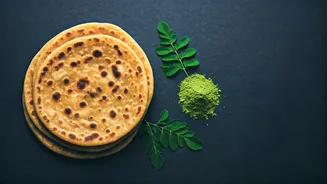
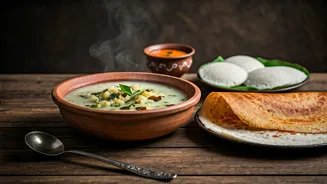
The real trend, the one the headline points to, is how moringa is being rediscovered and repurposed by a new generation of Indians. While the traditional uses remain popular, moringa is now breaking out of its regional and traditional confines and entering the modern, urban Indian kitchen in a new form: that same green powder popular in the West. Health-conscious city dwellers and innovative chefs are incorporating moringa powder into everyday staples. It’s being whisked into dosa and idli batter for a nutrient boost, kneaded into the dough for rotis and parathas, and blended into morning smoothies. This shift represents a full-circle moment: an ingredient, once taken for granted, is now being celebrated for the very wellness properties that have made it a global phenomenon.
So, Is It Really a Miracle Tree?
The nickname “miracle tree” isn’t without some basis. Moringa leaves are exceptionally nutritious. They are rich in vitamins A, C, and E, and are a good source of plant-based protein, calcium, and iron. Scientific studies have explored its potential anti-inflammatory and antioxidant properties, lending credibility to some of the traditional medicinal uses. However, like any so-called superfood, it’s not a magic bullet. The processing of moringa into powder can affect its nutritional profile, and its benefits are best realized as part of a balanced diet. It's a highly nutritious plant, but the 'miracle' may be less about curing all ills and more about it being a remarkably resilient and nutrient-dense food source.
Bringing Moringa Into Your Kitchen
Curious to try it? The powder is the most accessible form in the U.S. It has a distinct earthy flavor, similar to spinach or matcha, so it's best when blended with other ingredients rather than consumed on its own. A teaspoon can be easily added to a smoothie, a soup, a pesto, or even a batch of hummus. For the more adventurous, fresh or frozen moringa drumsticks can be found in Indian or Asian grocery stores. They require a bit more prep—typically boiled or simmered in a curry until tender—but offer a taste of moringa in its most traditional and beloved form.