





The Original Blueprint for a Perfect Meal
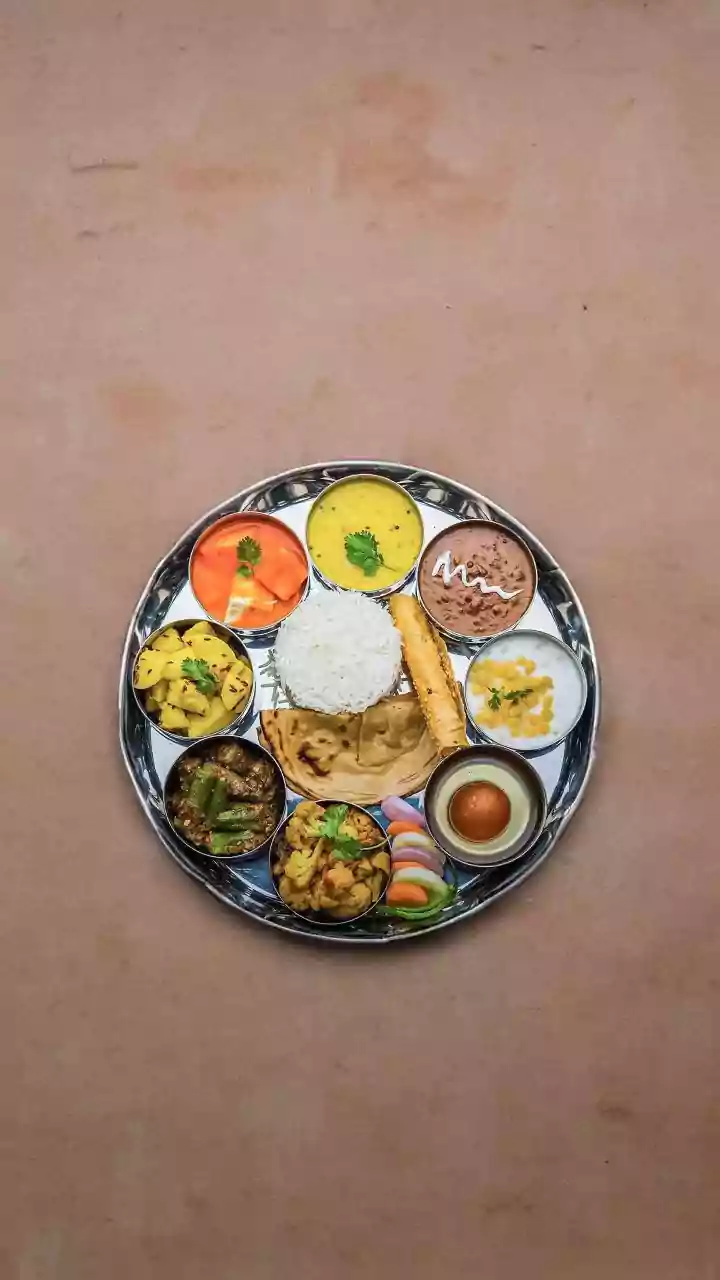
Before we get to the remix, let’s appreciate the original track. A thali is more than just a meal; it’s a masterclass in balance and a cornerstone of Indian dining. The word itself simply means “plate,” but the experience is anything but simple. Traditionally
served on a round steel platter, a thali presents a complete meal all at once. An array of small bowls, called katoris, holds a universe of textures and tastes: a creamy dal, a vibrant vegetable sabzi, a tangy pickle, a cooling raita (yogurt dip), and a sweet dessert. At the center, you’ll typically find rice, fluffy naan, or warm roti to scoop it all up. The guiding principle is the Ayurvedic concept of balancing six tastes: sweet, sour, salty, bitter, pungent, and astringent. It’s a beautifully composed, self-contained feast that nourishes the body and delights the senses.
The New Wave of Culinary Creativity
For generations, the thali has been a comforting constant. But a new generation of Indian-American chefs, confident in their heritage and fluent in global culinary language, are asking a tantalizing question: What if we changed it up? This isn't about disrespecting tradition but engaging with it. These chefs, many of whom grew up between two cultures, are using the thali as a framework for creative expression. They see it not as a rigid set of rules, but as a flexible concept—a philosophy of balance and variety that can be expressed in exciting new ways. The “remix” isn’t about throwing out the classics; it’s about sampling them, chopping them up, and reassembling them with new beats, using seasonal American produce and modern cooking techniques like foams, gels, and sous-vide.
From Platter to Deconstructed Plate
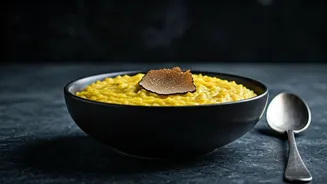
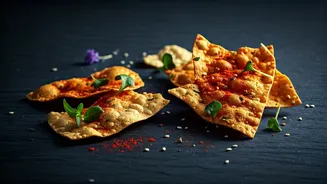
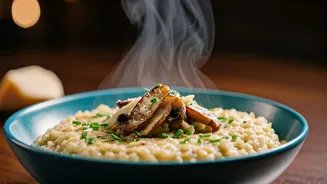
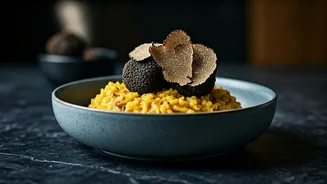
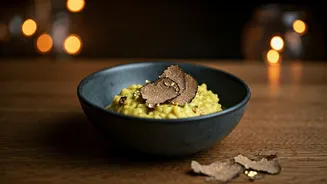
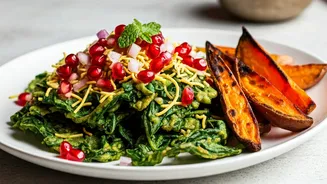
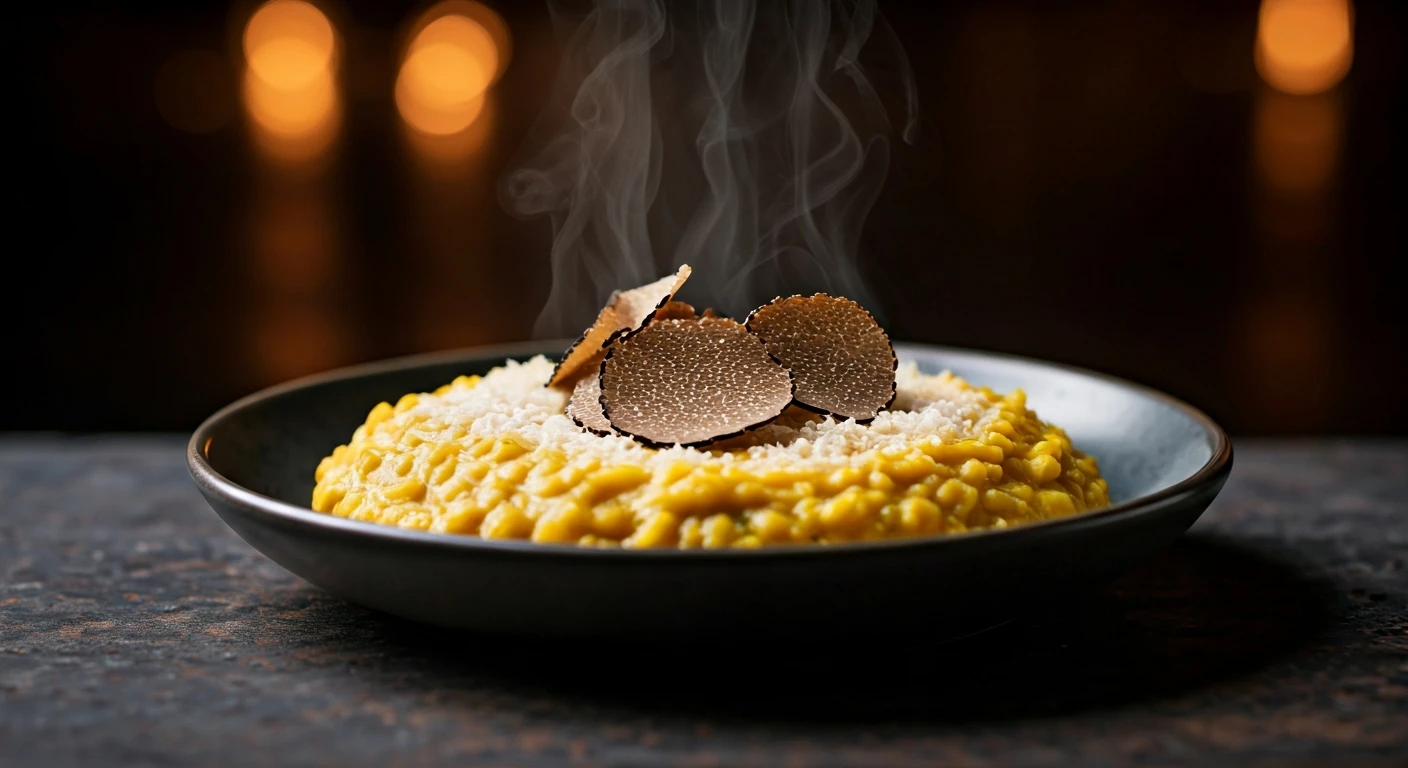
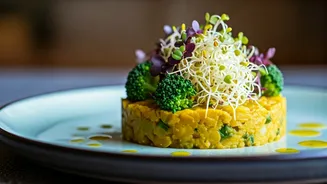
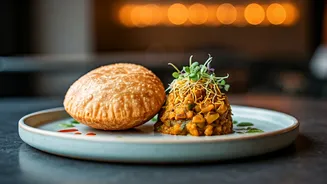
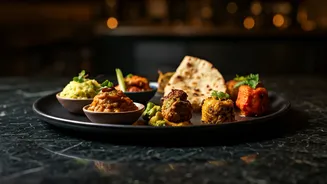
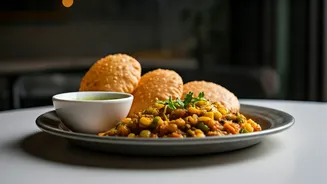
So what does a remixed thali look like on the table? The variations are as creative as the chefs themselves. In some high-end restaurants, the all-at-once platter is transformed into a multi-course tasting menu. Each component of a traditional thali is deconstructed and served as its own distinct, artistically plated course. A lentil dal might be re-imagined as a velvety, intensely flavored soup to start. The vegetable component might feature local, seasonal ingredients like roasted asparagus with Indian spices instead of the usual okra or cauliflower. Other chefs are playing with form on a single plate. Imagine a smear of tamarind chutney painted across the ceramic, a perfectly seared scallop sitting on a bed of curried risotto, or a sphere of yogurt that bursts in your mouth. These dishes retain the soul of the thali—its commitment to diverse flavors and textures—but present it in a package that feels completely new and unexpected.
A Delicious Sign of Cultural Confidence
This trend is more than just a foodie novelty; it’s a powerful statement about the evolution of Indian food in America. For decades, Indian restaurants in the U.S. often felt compelled to serve a standardized menu of familiar favorites. The rise of the remixed thali signals a new era of confidence. It shows that Indian cuisine is not a static museum piece but a living, breathing tradition that can absorb new influences and ideas without losing its identity. By reinterpreting a beloved format, chefs are claiming their space in the landscape of American fine dining, proving that the flavors they grew up with are worthy of the same respect and creativity afforded to French or Japanese cuisine. It’s a delicious declaration that Indian food is not just “ethnic food,” but simply, great food.