








Beyond Traditional Vegetarianism
First, let's clear up a common misconception. While India has the largest population of vegetarians in the world, the majority of its 1.4 billion people are not vegetarian. However, the diet is deeply rooted in cultural and religious traditions, with
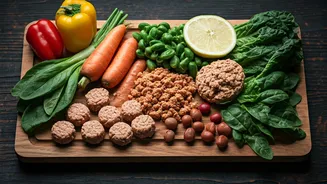
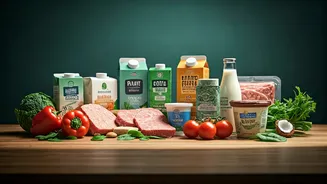
plant-forward meals being the default for hundreds of millions. So, when we talk about the new “plant-based” boom, we’re not talking about the lentils and vegetables that have sustained the subcontinent for millennia. We're talking about a modern, tech-driven industry creating products that mimic the taste and texture of meat, eggs, and dairy. Think plant-based chicken biryani, vegan sausages, and dairy-free ghee. These products are aimed not just at vegans and vegetarians, but at the much larger market of meat-eaters and flexitarians looking to reduce their consumption for health, environmental, or ethical reasons. It's a crucial distinction: this isn't about replacing vegetables with other vegetables; it's about replacing animal products with sophisticated, processed alternatives.
The New-Generation Drivers
So why is this happening now? The surge is fueled by a perfect storm of factors, primarily driven by India’s young, urban, and increasingly globalized population. The COVID-19 pandemic acted as a major catalyst, accelerating a pre-existing trend toward health and wellness. Consumers became more conscious of immunity and food safety, creating suspicion around wet markets and processed animal products. Simultaneously, environmental awareness is growing among millennials and Gen Z, who are more attuned to global conversations about climate change and the carbon footprint of animal agriculture. There’s also a powerful aspirational element. For a growing middle class with disposable income, choosing plant-based alternatives is seen as a modern, sophisticated, and globally conscious lifestyle choice, much like it is in Los Angeles or London. This cultural shift, combined with increased internet access and exposure to global trends, has created a fertile ground for innovation.
A Market Ripe for Investment
Where consumer interest goes, money follows. The Indian plant-based sector is experiencing an investment explosion. According to the Good Food Institute India, the country’s plant-based industry saw a staggering 600% increase in venture capital funding between 2021 and 2022. Local startups are leading the charge. Companies like Blue Tribe Foods, Shaka Harry, and GoodDot have become household names among early adopters, offering everything from plant-based chicken nuggets to mutton-style curries. They’re not just appearing in specialty stores; their products are hitting the shelves of mainstream supermarkets and showing up on the menus of popular restaurant chains. Even legacy food giants and meat producers are hedging their bets, either launching their own plant-based lines or acquiring successful startups. This influx of capital isn't just about funding production; it's powering the research and development needed to create products that can truly compete with animal-derived equivalents on taste, texture, and price.
Challenges on the Path to Mainstream
Despite the explosive growth, the road to becoming truly mainstream is not without its hurdles. The biggest barrier remains price. For the average Indian consumer, plant-based meat alternatives are still a premium product, costing significantly more than conventional meat. In a highly price-sensitive market, achieving price parity is the holy grail. Taste and texture are also critical. Indian palates are accustomed to complex flavors and specific culinary textures, and any alternative has to pass a high bar to win over consumers long-term. Finally, there is the challenge of distribution and scale. Reaching consumers beyond the major metropolitan hubs requires a robust cold-chain infrastructure, which is still developing in many parts of the country. While the industry has moved far beyond its niche origins, overcoming these economic and logistical challenges will determine whether it can capture a truly mass market.