






Why Size Matters in Space
In astronomy, size is everything. A telescope's primary mirror acts like a light bucket; the bigger the bucket, the more light it can collect from faint, distant objects. This allows astronomers to see further back in time, closer to the Big Bang, and
to study dim objects like exoplanets in greater detail. The new generation of 'Extremely Large Telescopes' (ELTs) dwarf their predecessors. While the celebrated Hale Telescope on Palomar Mountain has a 5-meter mirror, these new giants will have mirrors ranging from 25 to nearly 40 meters in diameter. This isn't just an incremental improvement; it's a quantum leap in our ability to see the universe, promising resolutions so sharp they could theoretically spot a baseball on the moon.
The Giant Magellan Telescope (GMT)
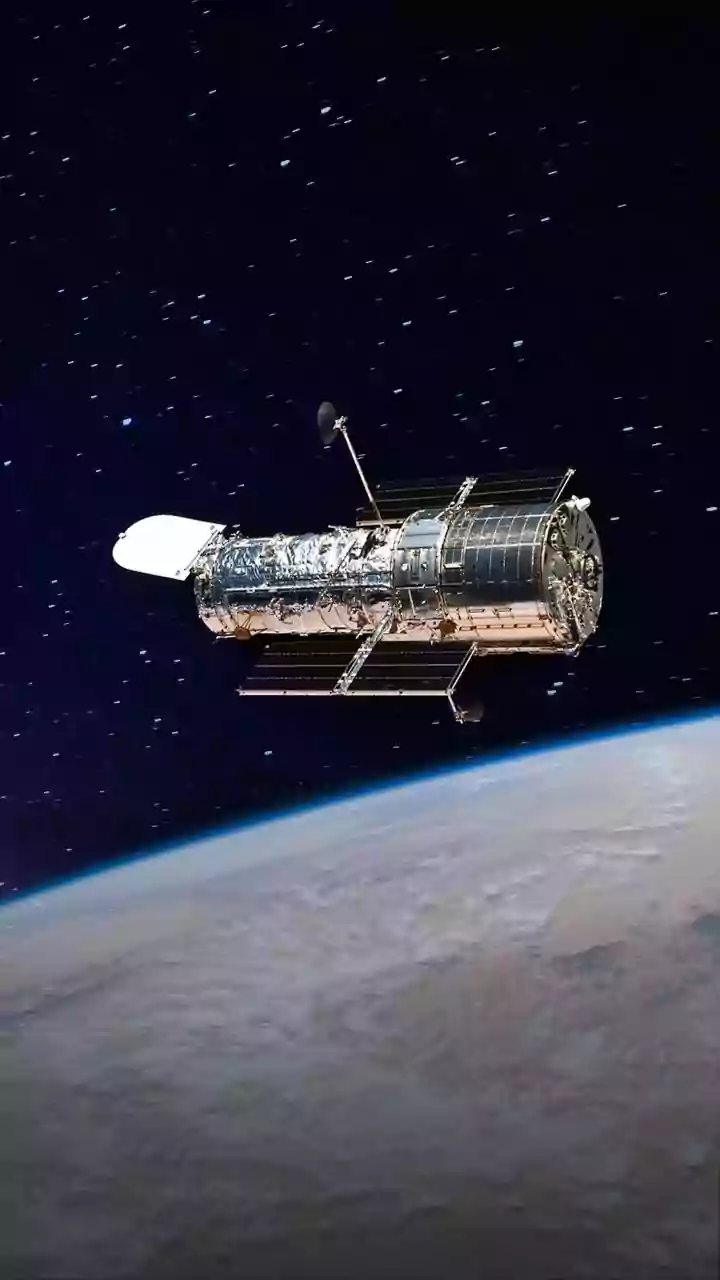
Located in the bone-dry Atacama Desert of Chile, one of the best places on Earth for stargazing, the Giant Magellan Telescope is an engineering marvel. Instead of a single, massive mirror, the GMT will use seven individual mirrors, each 8.4 meters (27.6 feet) across. Together, they will function as a single mirror with an effective diameter of 24.5 meters. This unique design will give it unparalleled resolving power, allowing it to produce images 10 times sharper than the Hubble Space Telescope. The GMT's primary missions will include hunting for signs of life on planets orbiting nearby stars, studying the formation of the very first galaxies, and investigating the mysteries of dark matter and dark energy.
The Thirty Meter Telescope (TMT)
The Thirty Meter Telescope represents a different approach to building a giant eye on the sky. Its primary mirror will be composed of 492 individual hexagonal segments, all working together to create a colossal 30-meter light-collecting surface. This segmented design allows for a larger mirror than could be built from a single piece of glass. The TMT is designed to be a versatile, all-purpose observatory, capable of observing everything from nearby asteroids to the most distant objects in the universe. Its construction on Mauna Kea in Hawaii has been contentious and faced delays due to opposition from Native Hawaiian groups who consider the summit sacred. The project's leaders are still navigating this complex issue, hoping to find a path forward for what promises to be one of history's most powerful scientific instruments.
The Extremely Large Telescope (ELT)
Not to be outdone, the European Southern Observatory (ESO) is building the aptly named Extremely Large Telescope, also in Chile's Atacama Desert. With a staggering 39-meter (128-foot) primary mirror, the ELT will be the largest optical/near-infrared telescope in the world when it's completed. Its main mirror is made of 798 hexagonal segments and will collect more light than all existing 8-to-10-meter class telescopes on the planet, combined. The ELT is often described as 'the world's biggest eye on the sky,' and its scientific goals are equally ambitious. Its main focus will be on characterizing exoplanets, directly imaging larger planets and analyzing their atmospheres for biosignatures—the chemical fingerprints of life.
Answering Humanity's Oldest Questions
These telescopes aren't just technical achievements; they are machines designed to answer our most profound questions. Are we alone in the universe? By analyzing the light passing through the atmospheres of distant exoplanets, these telescopes could detect gases like oxygen and methane, potential signs of biological activity. How did the first stars and galaxies form? By peering deep into the cosmic dawn, they will witness the universe's infancy, a period forever beyond the reach of current instruments. What is the nature of dark matter and dark energy? By observing the movement and evolution of galaxies with unprecedented precision, they will provide crucial data to test our theories about these invisible components that make up 95% of the cosmos.