
The Primal Pull of Warmth
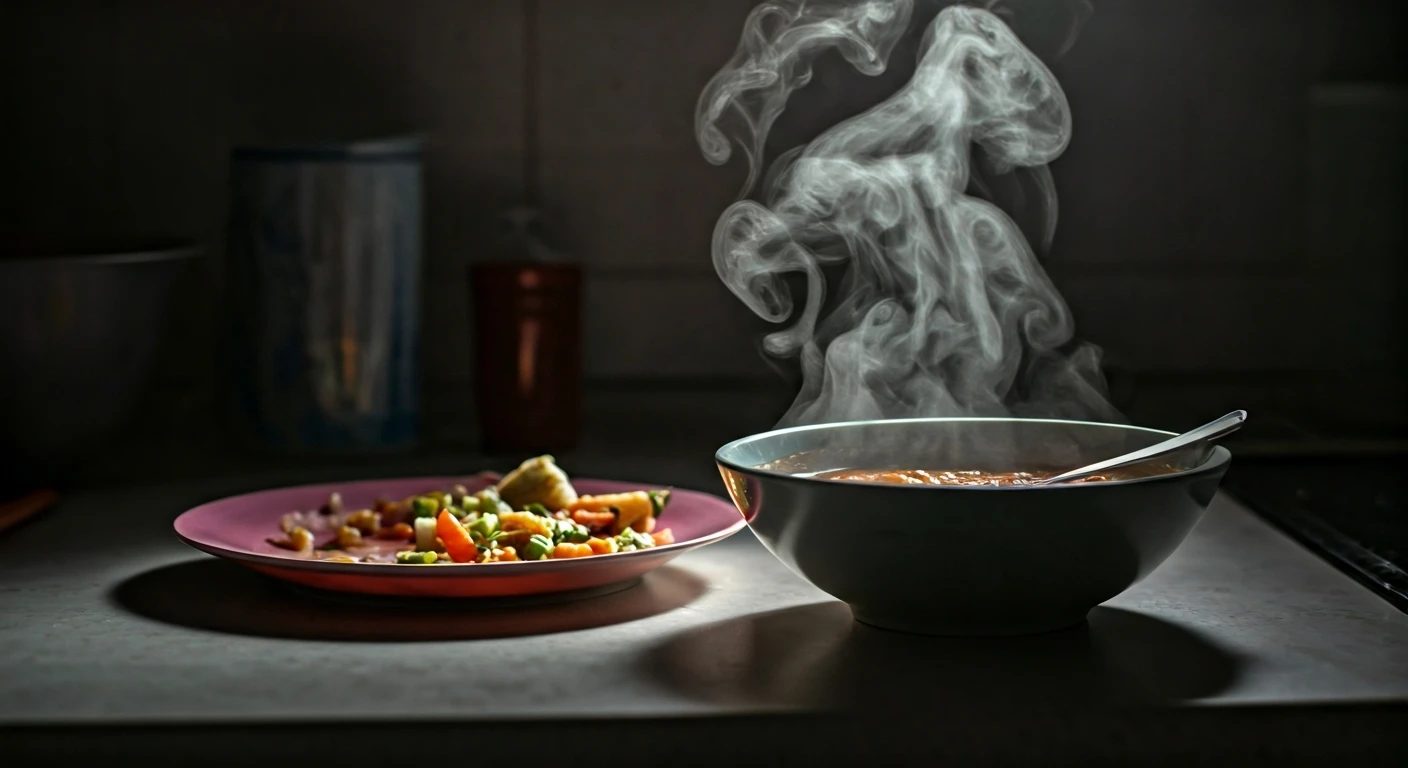
On a cold, damp day, your body isn’t just seeking calories; it’s seeking comfort. This isn’t just a feeling; it's a biological and psychological response. Warm foods literally raise your body temperature, providing a physical sensation of comfort that
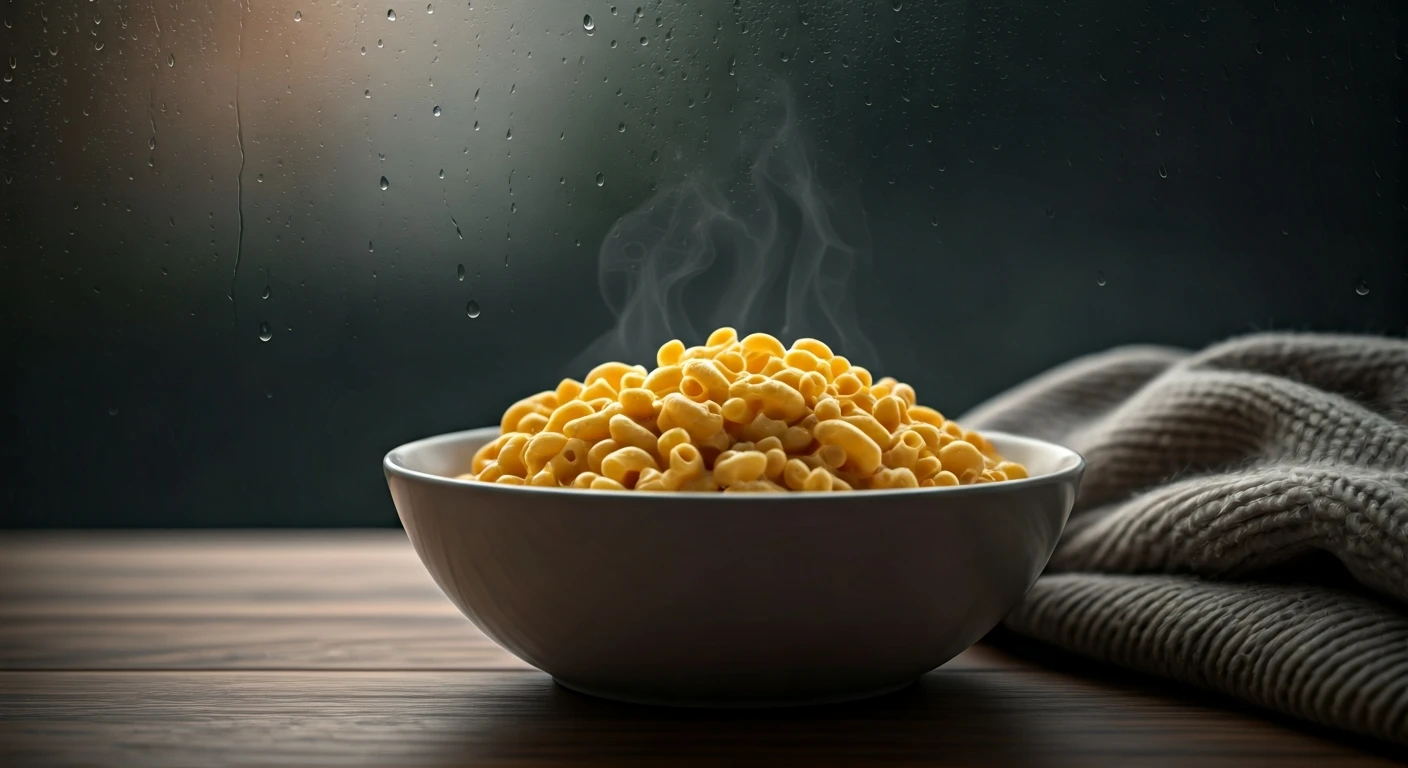
counteracts the chill outside. But the connection runs deeper. Many of our most powerful food memories are tied to warm dishes—think of holiday roasts, grandmother’s soup, or gooey macaroni and cheese. These foods are often linked to feelings of safety, care, and community. Scientifically, carbohydrate-rich comfort foods can also give your brain a helping hand by boosting serotonin levels, which contributes to feelings of well-being and happiness. When the sun is hiding and the days are shorter, that little neurological lift can feel less like an indulgence and more like a necessity. So when you bypass that cold quinoa salad for a bowl of chili, you’re not being wasteful; you’re answering a primal call for warmth, nostalgia, and a chemical hug.
Texture Is Everything
Let’s be honest: the biggest enemy of the leftover is often texture. The microwave, for all its convenience, is a notorious culinary villain. It excels at turning crispy breading into a soggy mess, chicken into rubber, and pasta into a formless, steaming pile. Cold food, at least, is predictable. A cold slice of pizza has its own distinct, chewy appeal. A day-old salad is, well, a salad. But the ghostly, lukewarm echo of a once-great meal is profoundly unappetizing. Our palates are incredibly sensitive to textural disappointment. The promise of last night's crispy fries becomes a betrayal when they emerge from the microwave limp and greasy. This textural gamble is a major reason why we often decide it’s easier to just make a grilled cheese sandwich or open a can of soup. The risk of a subpar reheating experience makes starting from scratch feel like the safer, more satisfying bet.
The Reheating Revolution
For decades, the battle for leftovers was fought almost exclusively in the microwave's unforgiving radiation chamber. But a new generation of kitchen appliances has changed the rules of engagement. The undisputed champion of the modern reheating era is the air fryer. By circulating intensely hot air, it can resurrect fried chicken to its former glory, recrisp french fries, and even give a day-old slice of pizza a blistered, crunchy crust that rivals the original. It tackles the texture problem head-on, turning a leftover from a chore into a treat. Similarly, the humble toaster oven offers a more gentle, radiant heat that’s perfect for anything that needs to be warmed through without becoming soggy, like a slice of lasagna or a baked potato. These tools have armed the home cook with the ability to not just warm food, but to restore it. Suddenly, the leftover chicken cutlet isn’t a sad, cold slab; it’s a potential crispy chicken sandwich waiting to happen.
Transform, Don't Just Reheat
The ultimate strategy for winning the leftover battle isn't just about better reheating—it's about rethinking. Instead of seeing leftovers as a finished meal to be rewarmed, view them as ingredients for a new one. This shift in perspective opens up a world of warm, comforting possibilities. That leftover steak can be thinly sliced and thrown into a quick quesadilla with melted cheese. The last of the roast chicken can be shredded and become the base for a hearty chicken noodle soup or a creamy pot pie. Stale bread, the saddest leftover of all, can be blitzed into breadcrumbs, cubed for croutons to float on tomato soup, or layered into a savory bread pudding. Even leftover rice can be fried up with an egg and some soy sauce for a quick and satisfying meal. By transforming your leftovers, you honor the original meal while creating something new and perfectly suited for a rainy day.