




Dipping Your Paddle into a Liquid Galaxy
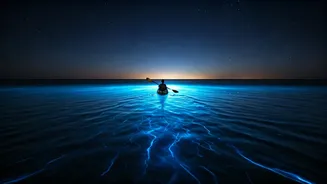
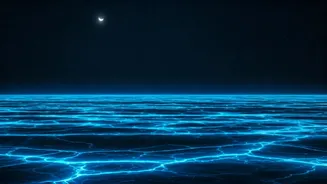
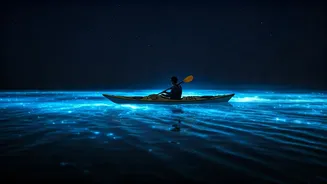
Imagine floating in a kayak on the calm, warm waters of the Andaman Sea. It’s a moonless, star-dusted night, so dark the line between the water and the sky seems to blur. Then, you dip your paddle in. The water explodes. Not with a splash, but with a silent,
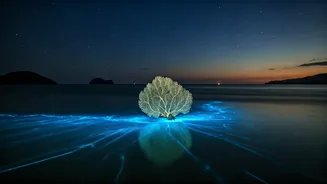
ethereal burst of blue-green light. Swirl your hand through the sea, and a million tiny stars glitter around your fingers, leaving a shimmering trail that fades back into the darkness. A fish darts beneath your boat, and it becomes a living comet, a streak of electric blue in the inky depths. This isn't science fiction. This is the nightly magic of bioluminescence in the Andaman and Nicobar Islands, an experience that transforms a simple night paddle into a journey through a submerged galaxy. For travelers who think they’ve seen every kind of beach beauty, this quiet, profound light show is a humbling reminder of nature’s hidden artistry.
The Science Behind the Spectacle
The ethereal glow isn't magic, but it might as well be. The phenomenon is caused by phytoplankton—specifically, a type of single-celled organism called a dinoflagellate. When the water is disturbed by a wave, a paddle, or even a swimming fish, these microscopic life forms emit a flash of light as a defense mechanism. The idea is to startle a potential predator or, even more cleverly, to illuminate that predator so a *bigger* predator can spot and eat it—a biological burglar alarm. This chemical reaction, producing what is known as “cold light,” is a breathtaking spectacle on a grand scale. On nights when the concentration of these phytoplankton is high, every movement in the water triggers a chain reaction of light, creating the mesmerizing effect that locals and lucky visitors refer to as a sea of stars. It’s a raw, living light, entirely different from the artificial glow of cityscapes.
Where and When to Find the Glow
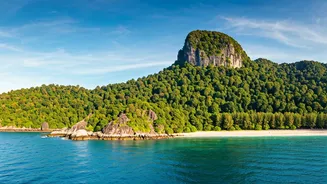
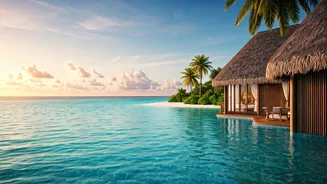
While the phenomenon can occur across the archipelago, the most celebrated and accessible spot to witness it is around Havelock Island, officially known as Swaraj Dweep. The island’s many protected coves and mangrove creeks offer calm waters ideal for night excursions. The key to a successful viewing is darkness. You need to go on a night with little to no moonlight, so planning your trip around the new moon phase is absolutely essential. Any ambient light, from a full moon to resort lighting on the shore, can wash out the subtle glow. The best season generally falls between November and May, when the seas are calmest and the skies are clear. Local tour operators are well-versed in tracking the best conditions and will know which coves are currently “lighting up” the most, as the phytoplankton blooms can shift from place to place.
The Kayak Is Your Chariot
You can spot flickers of bioluminescence from the shore or a larger boat, but to truly immerse yourself in the experience, nothing beats a guided night kayaking tour. Being low to the water in a silent, human-powered vessel connects you to the phenomenon in a way a motorboat simply cannot. There’s no engine noise, no deck lights, just you, your paddle, and the glowing sea. Tour guides lead small groups away from any light pollution and into the heart of the mangrove forests or sheltered bays. They provide the necessary equipment and safety instructions, allowing you to focus completely on the spectacle. The quiet intimacy of the experience is its greatest strength. You aren't just observing the light; you are creating it with every stroke of your paddle, an active participant in one of nature’s most enchanting displays.