


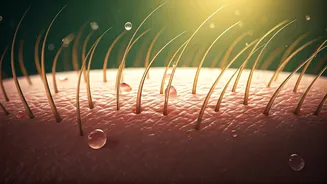


1. The 'Skinification' of Your Scalp
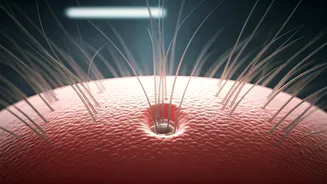
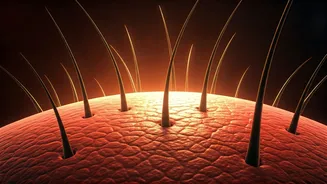
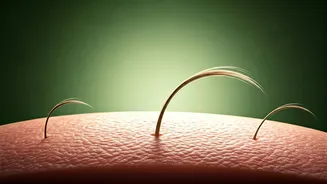
The most significant trend is treating the skin on your head with the same care you give the skin on your face. Think of it as the “skinification” of hair care. This goes beyond just shampooing; it involves a multi-step routine using targeted ingredients.
We're seeing a surge in scalp serums with hyaluronic acid for hydration, salicylic acid exfoliants to remove buildup, and antioxidant-rich formulas to protect against environmental stressors. People are realizing that a healthy scalp is the literal foundation for healthy hair growth, and product aisles are quickly reflecting this new obsession. From a dermatologist’s perspective, this is a long-overdue development. A congested, inflamed, or dry scalp cannot produce strong, vibrant hair. Experts emphasize that clogged follicles can impede growth, while inflammation can contribute to shedding. By regularly clarifying and nourishing the scalp, you create the optimal environment for your hair follicles to thrive. It’s a proactive approach that shifts the focus from masking problems to preventing them at the source.
2. Low-Manipulation and Heatless Styling
After years of reliance on flat irons, curling wands, and high-heat blowouts, a gentler approach is taking over. The embrace of natural textures—whether wavy, curly, or coily—is leading a movement toward low-manipulation styling. This includes techniques like air-drying, heatless curling methods (using rods or braids), and protective styles that tuck ends away to prevent breakage. The goal is to work with your hair's natural pattern rather than fighting against it, resulting in healthier hair over time and a more relaxed, authentic look.
Dermatologists and trichologists consistently name excessive heat and tension as primary culprits behind mechanical damage and hair breakage (trichorrhexis nodosa). High temperatures strip moisture and degrade the keratin proteins that give hair its structure. Constant pulling from tight ponytails or buns can lead to traction alopecia, a form of hair loss. This trend toward gentler styling directly addresses these concerns, preserving the integrity of the hair shaft and reducing stress on the follicle.
3. Bond-Building Treatments at Home
What once was a salon-exclusive luxury is now a staple of at-home hair care. Bond-building technology is designed to repair the broken disulfide bonds within the hair shaft that result from chemical treatments (like coloring and bleaching), heat styling, and environmental damage. While salon versions are more potent, an explosion of consumer-friendly masks, serums, and leave-in treatments is making this restorative science accessible to everyone. This trend is less about a specific “look” and more about achieving a core quality: hair that feels and looks resilient, smooth, and strong from the inside out.
Experts view this as a huge leap forward in hair repair. Unlike traditional conditioners that merely coat the hair's surface for a temporary fix, bond-builders work on a molecular level to genuinely relink and fortify hair's internal structure. For those with color-treated or frequently styled hair, dermatologists see these products as essential tools for mitigating inevitable damage and maintaining hair health between salon visits.
4. The Rise of 'Hair-ceuticals'
The link between internal health and external appearance is clearer than ever, and it’s fueling the boom in hair-focused nutraceuticals and supplements. Consumers are looking beyond topical products and investing in ingestible solutions that promise to boost hair growth, thickness, and strength from within. These supplements are often formulated with a blend of vitamins, minerals, and botanicals known to support hair health, such as biotin, iron, zinc, vitamin D, and adaptogens like ashwagandha.
While stylists can’t give medical advice, dermatologists are the ones who can properly diagnose and address hair thinning and loss. They often start by checking for nutritional deficiencies. Iron, vitamin D, and zinc are critical for the hair growth cycle, and a deficiency can be a direct cause of shedding. Dermatologists often recommend targeted, high-quality supplements to correct these issues. This trend reflects a more holistic, science-backed understanding that great hair truly starts from within, beginning with a well-balanced diet and, when necessary, targeted supplementation under a doctor's guidance.