




The Pre-Summer Problem Solver
In many parts of the U.S., the period from late May to early July brings a mix of gardening headaches. The weather is unpredictable, swinging between pleasant spring days and sudden, oppressive heatwaves. The soil is warm, but summer's consistent rhythms
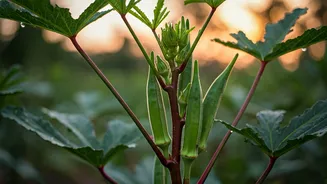
haven't set in. This is the American equivalent of the 'pre-monsoon' season referenced in the headline—a time of transition when many plants either bolt or struggle to get established. But this is precisely where okra shines. Originally from Africa and a staple in South Asian and Southern U.S. cuisine, okra (known as bhindi in Hindi) is a heat-loving plant that thrives in the exact conditions that cause other vegetables to falter. It doesn't just tolerate the coming heat; it craves it, making it the ideal crop to bridge the gap and ensure your garden remains productive.
A Plant That Laughs at the Heat
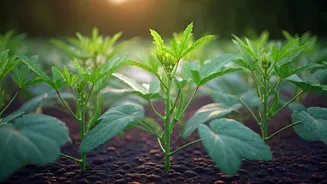
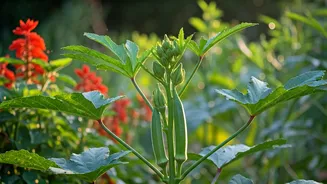
Many gardeners get excited and plant their summer vegetables too early, only to see them languish in soil that's still too cool. Okra flips that script. It’s a true warm-season crop that should only be planted after the last threat of frost is long gone and soil temperatures are consistently above 65°F. For much of the country, this timing aligns perfectly with late spring. While your early lettuces are bolting and you’re pulling out the last of the radishes, you can sow okra seeds in their place. The plant uses the rising temperatures of June as a signal to surge. When other plants are wilting under the first real heatwave of the year, your okra seedlings will be standing tall, ready to explode with growth as soon as the summer sun hits its stride. This resilience makes it a low-stress, high-reward choice for gardeners who want a reliable harvest without a constant fight against the weather.
Getting Started Is Deceptively Simple
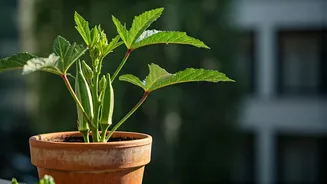
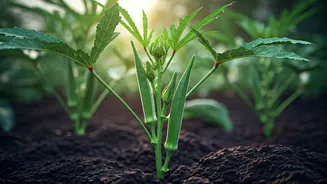
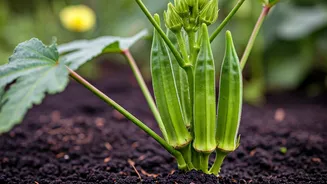
Despite its exotic-sounding credentials, growing okra is remarkably easy. The seeds have a tough outer coat, so for best results, soak them in warm water overnight before planting. This simple step dramatically improves and speeds up germination. Plant the seeds about half an inch deep and 12-18 inches apart in a spot that gets full sun—at least six hours a day is non-negotiable. Okra isn’t particularly fussy about soil, but it does best in well-drained ground that’s been enriched with a bit of compost. Unlike finicky tomatoes or pest-prone squash, okra requires very little coddling to get going. Once the seedlings are a few inches tall, a layer of mulch can help retain soil moisture and keep weeds down, but beyond that, your main job is simply to watch it grow.
The Art of the Daily Harvest
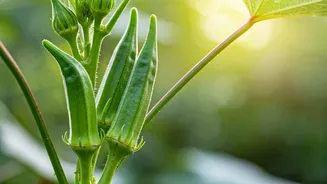
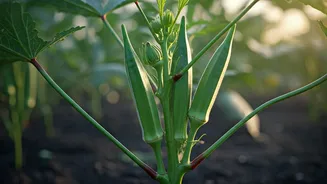
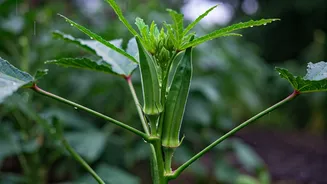
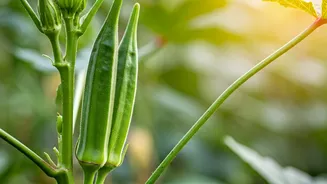
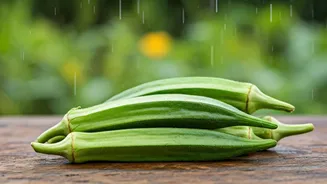
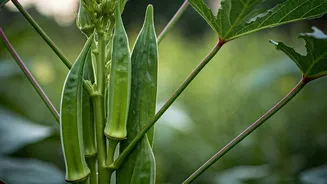
The single most important rule of growing okra is to harvest it relentlessly. The plant’s entire goal is to produce seeds for reproduction. When you pick the tender pods, you signal to the plant that its mission has failed, forcing it to produce more flowers and, subsequently, more pods. Let the pods grow too big on the stalk, and the plant thinks its job is done, shutting down production. The ideal size for harvesting is typically 2 to 4 inches long. At this stage, the pods are tender and delicious. Any larger, and they quickly become woody and tough. During peak season, you may need to harvest every single day. Use a knife or pruning shears to snip the pod with a small bit of stem attached. This frequent picking is your key to a summer-long supply of perfect, tender okra.