

The End of Marathon Desk Sessions
For decades, the currency of corporate dedication was time. The employee who arrived earliest and left latest was seen as the most committed. But in the modern, results-oriented workplace, that model is collapsing under the weight of its own inefficiency.
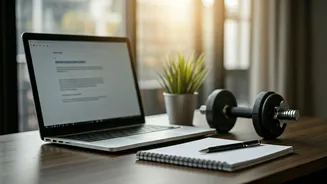
The new measure of a high-performer isn't about logging more hours; it's about generating more impact within those hours. Enter the short fitness break—the ultimate workday 'flex.' This isn't about ducking out for a 90-minute spin class. It’s the deliberate, strategic act of stepping away from the screen for 5, 10, or 15 minutes to move your body. In an era of hybrid work and digital burnout, demonstrating that you have the autonomy and discipline to manage your energy—not just your time—is the new power move. It signals that you're in control of your focus and productivity, rather than being a passive victim of your calendar.
The Science of 'Exercise Snacking'
The concept powering this trend is often called 'exercise snacking'—short, potent bursts of physical activity distributed throughout the day. And the science is compelling. Research has shown that even a few minutes of moderate activity, like briskly climbing stairs, can provide immediate cognitive benefits. A study published in the journal *Neuropsychologia* found that a 10-minute bout of moderate exercise can quickly improve parts of the brain responsible for executive functions like problem-solving and focus.
Unlike a long, draining workout that can leave you feeling depleted, these micro-breaks are energizing. They increase blood flow to the brain, release mood-boosting endorphins, and help break the physiological stress cycle caused by sitting in one position for too long. Think of it as hitting a reset button for your brain. The mental fog that creeps in after 90 minutes of focused work can be cleared more effectively with a quick walk around the block than with another cup of coffee.
What a Fitness Flex Actually Looks Like
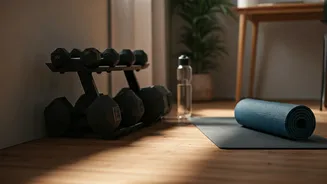
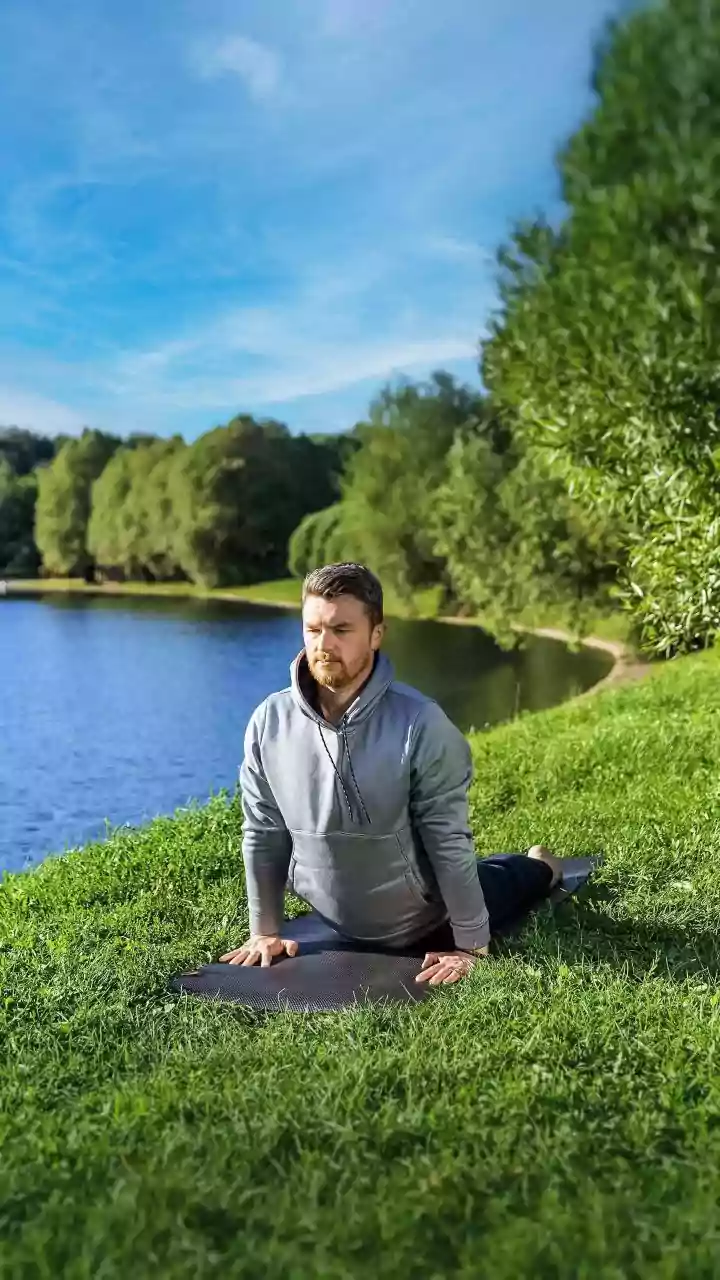
The beauty of the fitness flex is its accessibility. It doesn't require a gym membership or fancy equipment. It’s about creatively weaving movement into the natural pauses of your day.
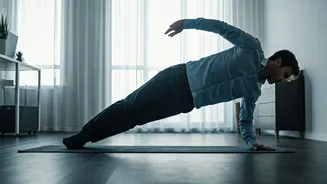
For the remote worker, this could mean doing a set of squats or push-ups between video calls, using a 15-minute gap to walk the dog, or simply putting on a song and dancing in the kitchen. For those in an office, it might look like taking the stairs instead of the elevator, doing a lap around the building while on a phone call, or finding an empty conference room for a few minutes of stretching. The key is to make it low-friction. If it requires changing clothes or a major time commitment, you’re less likely to do it. The goal is a quick, repeatable refresh that boosts your performance for the next task.
Making It Work Without the Guilt
The biggest hurdle for many professionals isn't finding the time; it's overcoming the psychological barrier. We've been conditioned to believe that being away from our desk means we're not working. To embrace the fitness flex, you have to reframe it as a core part of your work strategy, not a guilty pleasure.
Start by literally scheduling it. Put a 15-minute 'Focus Reset' block on your calendar. If you work in a team-oriented environment, be transparent. A simple Slack message like, 'Stepping away for a 10-minute walk to clear my head before our next meeting,' normalizes the behavior and positions it as a professional tool. This isn’t about avoiding work; it’s about preparing yourself to do your best work. By treating these breaks as a non-negotiable part of your high-performance routine, you shift from feeling guilty to feeling strategic.