






Beyond the Protein Shake
When you hear “pure protein,” your mind might jump to chalky powders and bodybuilders. But the industry catering to the corporate world has something far more sophisticated in mind. This isn't about slapping a steak on a plate. It’s about meticulously
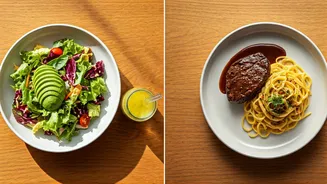
crafted, chef-designed meals where every gram of protein, fat, and carbohydrate is accounted for. Think grilled salmon with quinoa and steamed asparagus, or a lentil bowl with turmeric-roasted cauliflower, all delivered ready-to-eat. The “pure” here refers less to a chemical state and more to a philosophy: clean ingredients, minimal processing, and a laser focus on macronutrient ratios designed to sustain energy, improve focus, and prevent the dreaded 2 p.m. slump. Companies like Trifecta, Sakara Life, and Freshly, along with a host of local, high-end caterers, are the architects of this movement, selling not just food, but a promise of enhanced cognitive function.
The Billion-Dollar Lunchbox
While “million-dollar” grabs attention, the reality is far larger. This trend sits at the intersection of several massive markets: the global meal-kit delivery service industry, valued in the tens of billions, and the corporate wellness sector, which is projected to surpass $87 billion by 2026. This niche of performance-oriented food is a rapidly growing slice of that pie. What started as a perk for elite traders and Silicon Valley engineers is now becoming a mainstream strategy for companies looking to attract and retain top talent. Some businesses subsidize these meal plans as part of their benefits package, viewing it as a direct investment in their employees’ output. For them, the cost of a $15-$25 gourmet meal is a small price to pay for an extra hour of focused, productive work from a high-salaried employee.
From Wellness Perk to Performance Tool
The driving force behind this isn't just convenience; it's the culture of optimization. In high-pressure fields like finance, law, and tech, the line between work and life has blurred, and the body is often seen as another system to be fine-tuned for maximum efficiency. The same mindset that leads to biohacking with smart rings and meditation apps now dictates what’s for lunch. This approach treats food as fuel, not just sustenance or pleasure. By removing the “decision fatigue” of choosing what to eat—and the subsequent energy crash from a poor choice—employees are freed up to dedicate their mental bandwidth to their actual jobs. It reframes the company cafeteria from a place of social gathering to a strategic refueling station, turning nutrition into a key performance indicator.
The Exclusivity of Eating Right
Naturally, this level of nutritional precision comes at a premium. A week of meals can easily run into the hundreds of dollars, placing it well out of reach for the average worker. This creates a distinct class divide in workplace wellness. While some employees receive company-sponsored access to these elite culinary services, others are left with the vending machine or a brown-bagged sandwich. The trend highlights a growing gap where performance-enhancing benefits are reserved for those in the highest echelons of the corporate ladder. The individual employee paying out-of-pocket is making a calculated bet: that investing a significant portion of their income in optimized nutrition will pay dividends in the form of bonuses, promotions, and career longevity. It’s a high-stakes game where your lunch could be your competitive edge.