


The Backlash Against Sameness
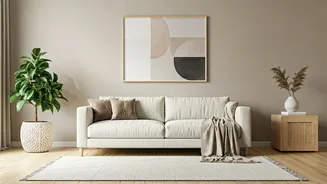
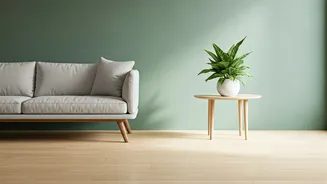
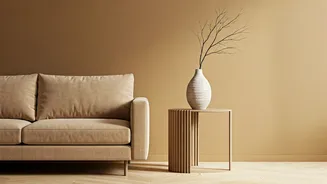
For years, the blueprint for a modern, aspirational home felt universal. Clean lines, minimalist furniture, and a neutral palette—largely imported from Scandinavian and Western design catalogs—dominated mood boards from Mumbai to Delhi. This aesthetic,
while clean and orderly, often lacked a sense of place and personality. The result was a wave of interiors that could have been anywhere in the world, scrubbed clean of local identity. Now, a powerful counter-movement is gaining momentum. Indian designers and homeowners are looking inward, finding renewed beauty in their own country's vast artisanal heritage. This shift isn't about nostalgia or recreating the past; it's about curating a contemporary Indian identity. It’s a conscious choice to fill a home not just with things, but with objects that carry the imprint of their maker and the spirit of their origin.
What 'Human Touch' Really Means
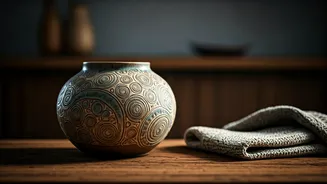
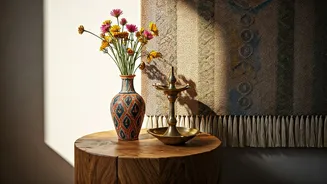
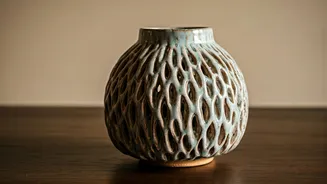
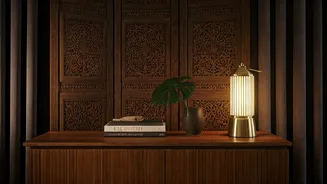
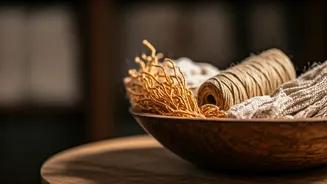
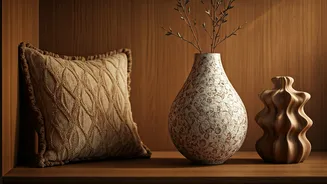
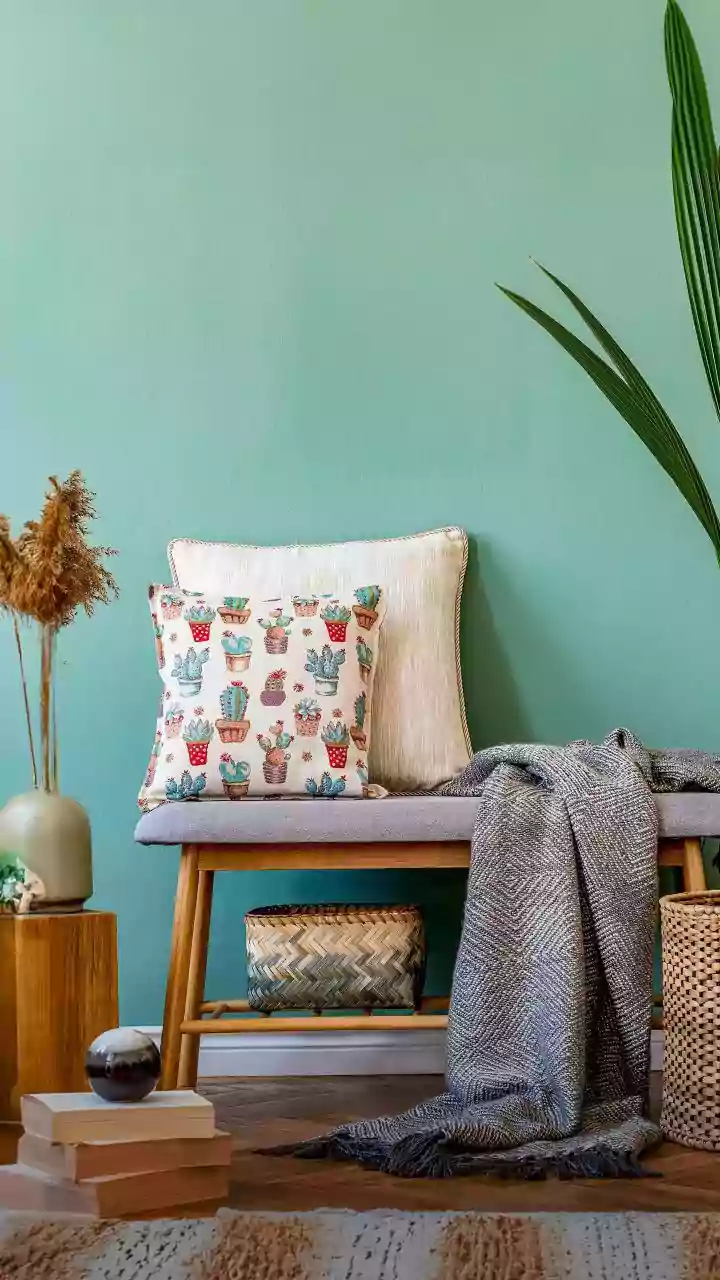
The phrase “human touch” goes far beyond a simple “handmade” label. It represents a deeper connection to an object’s story. It’s the subtle irregularity in a hand-thrown ceramic vase, the slight color variation in a block-printed textile, or the visible hammer marks on a piece of brassware. These so-called imperfections are not flaws; they are proof of life. They are the signature of the artisan, a tangible link to the person who spent hours crafting that specific piece. In a digital world of fleeting trends and disposable goods, this kind of permanence and authenticity feels radical. A hand-carved wooden panel carries the story of its carver, their community, and a centuries-old tradition. An embroidered cushion is not just a decorative item but a repository of skill passed down through generations. This approach transforms decorating from a consumer activity into an act of cultural curation.
A Revival of Ancient Crafts
This movement is breathing new life into India’s staggering diversity of craft traditions. Many of these art forms, once at risk of fading away, are now being reinterpreted for the modern home. For instance, Dhokra, a non-ferrous metal casting technique using the lost-wax method, is appearing in the form of contemporary sculptures and striking door handles. Kalamkari, the ancient art of hand-painting or block-printing on cotton textiles, is finding its way onto statement wall hangings and bespoke upholstery. Other crafts enjoying a resurgence include terracotta pottery, no longer just for rustic planters but for chic, earthy light fixtures and tableware. Woodworking traditions from different regions, like the intricate carving of Saharanpur or the delicate inlay work of Mysore, are being incorporated into modern furniture. This isn't about creating a museum; it's about seamlessly integrating heritage into a functional, living space.
The New Definition of Luxury
Ultimately, this trend redefines what luxury means in a home. It’s shifting away from the logo-driven, brand-name obsession toward something more personal and meaningful. The new luxury is not about having the most expensive imported sofa, but about owning a dining table crafted by a local carpenter from reclaimed wood. It’s about the exclusivity of a one-of-a-kind object that no one else has, precisely because it wasn't stamped out by a machine. This ethos aligns with global movements toward sustainability and conscious consumerism. By supporting local artisans, homeowners are not only preserving cultural heritage but also investing in their local economies and promoting more ethical production practices. The home becomes a testament to values—of authenticity, craftsmanship, and connection.