


The Symphony of the Street Corner
First, let’s get on the same page about what chaat even is. Think of it less as a single dish and more as a glorious, chaotic category of savory snacks. Originating from the streets of Northern India, the word 'chaat' literally means 'to lick,' and that’s
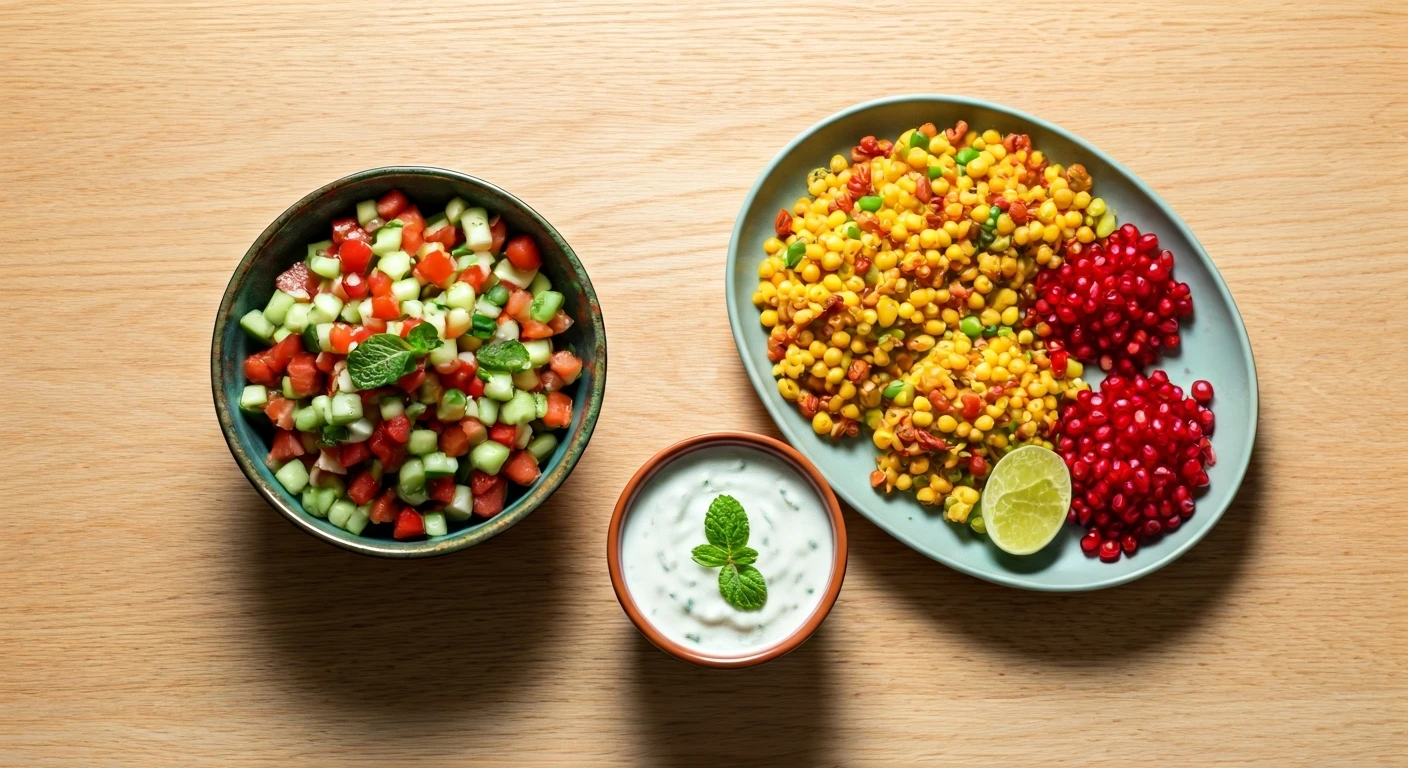
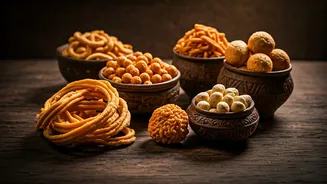
exactly what you’ll want to do. The foundation is almost always something crunchy—puffed rice, a hollow fried sphere (puri), a crispy cracker (papdi), or a smashed samosa. This base is then drenched in a riot of textures and flavors: cooling yogurt, sweet-and-sour tamarind chutney, vibrant mint-cilantro chutney, tender potatoes and chickpeas, and a final shower of crunchy sev (fried chickpea flour noodles), raw onions, and spices. It’s a full-on sensory assault in the best possible way, a perfect balance of competing elements that somehow create harmony.
The Freshness Dilemma
For generations, the joy of chaat was inextricably linked to its immediacy. You’d watch the vendor (the chaatwala) assemble it with dizzying speed, handing you a plate that had a life expectancy of about five minutes. The magic lies in the textural contrast: the crispy puri giving way to the soft potato filling, the cool yogurt tempering the spicy chutney. This is precisely why bottling it for a grocery store shelf has always seemed impossible. How do you package something whose entire identity is based on being fresh and texturally volatile? The moment a wet ingredient like chutney or yogurt hits a dry one like a puri or puffed rice, the clock starts ticking. Within minutes, 'crispy' becomes 'soggy,' and the dish loses its soul. It seemed destined to remain the exclusive domain of street carts and specialty restaurants.
Cracking the Pantry-Stable Code
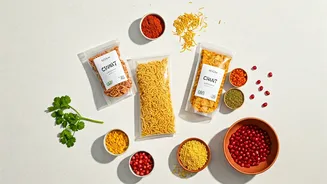
The recent breakthrough isn’t some miracle food science that prevents sogginess. Instead, it’s a simple but brilliant pivot in packaging: deconstruction. Brands like Deep Indian Kitchen, Haldiram's, and smaller regional players are creating chaat 'kits.' Inside one box, you’ll find multiple sealed packets, each containing a separate component. A bag of bhel mix (puffed rice and sev), a pouch of tamarind chutney, and another of mint chutney. For pani puri, you get a bag of hollow, fragile puri shells and separate containers for the spiced water ('pani') and the filling. The genius is that the assembly is left to you. By keeping every wet and dry ingredient separate until the moment of consumption, the brands have solved the freshness puzzle. You become the chaatwala in your own kitchen, combining the elements just before you dig in, preserving that all-important crunch.
From Mumbai to Your Supermarket
So why is this happening now? It’s the result of a perfect storm of consumer trends. The American palate has become increasingly adventurous, with shoppers actively seeking authentic global flavors beyond the usual suspects. Mainstream grocers like Whole Foods, Trader Joe's, and Kroger are expanding their international aisles to meet this demand. Furthermore, the growing Indian diaspora in the U.S. represents a built-in market hungry for a convenient taste of home. For many, chaat is pure nostalgia, and a kit that’s 80% of the way there is a welcome weeknight treat when a trip to a specialty restaurant isn't feasible. These kits serve as a brilliant entry point for newcomers and a comforting shortcut for those already in the know.
A Gateway, Not a Replacement
It’s important to manage expectations. Will a bhel puri kit you make at your counter taste exactly like one from a vendor on Juhu Beach in Mumbai? No, and it’s not meant to. There's an unquantifiable magic to the atmosphere of the street, the muscle memory of the vendor, and the hyper-fresh, locally specific ingredients. But that’s not the point. These shelf-stable chaats are about access. They offer a remarkably good approximation and make an entire category of beloved food available to anyone with a pantry and ten minutes to spare. Think of it as a gateway drug to the world of Indian street food. It’s a delicious, low-stakes invitation to explore a universe of flavor you might have otherwise missed.