


Discover a Photographer’s Paradise
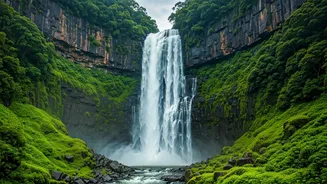
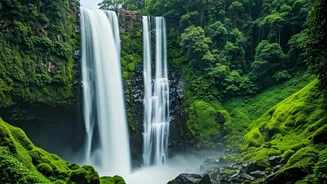
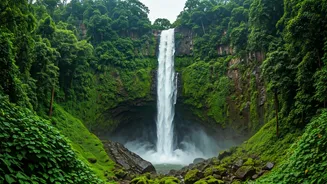
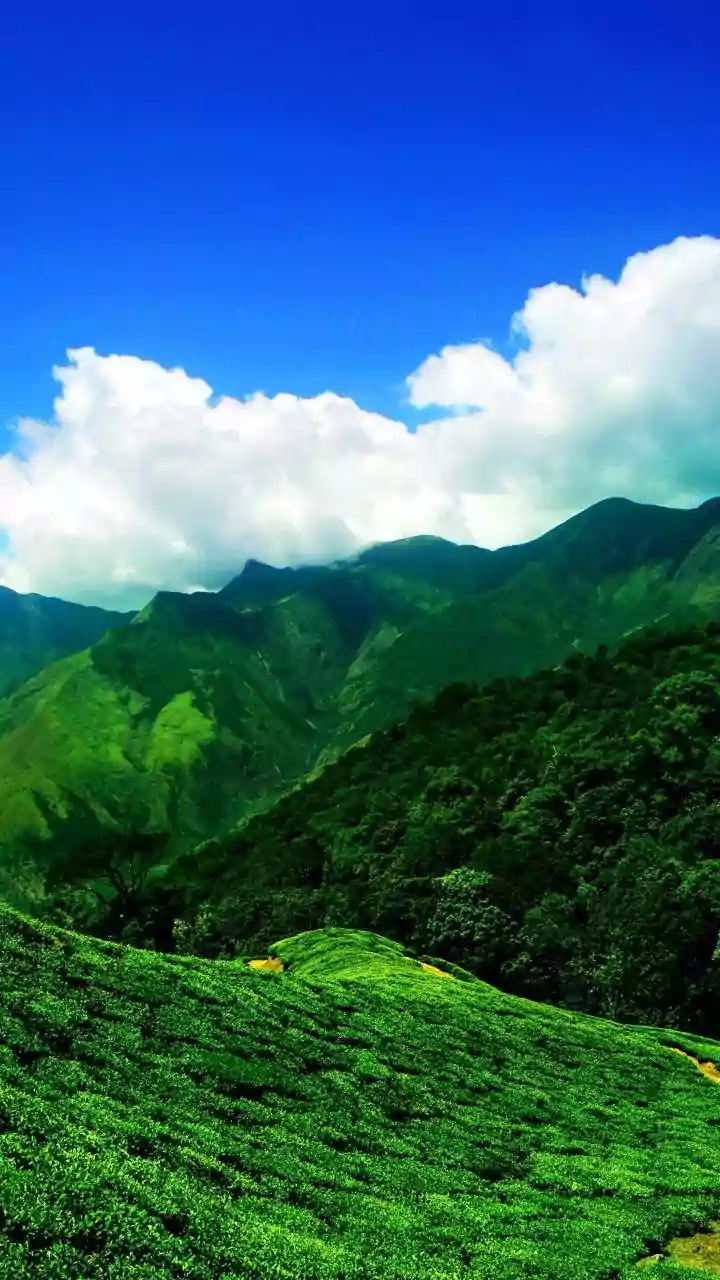
For American travelers seeking a truly off-the-beaten-path photographic adventure, the Western Ghats are a revelation. This UNESCO World Heritage site, a chain of mountains running parallel to India's western coast, transforms into a lush, dramatic wonderland
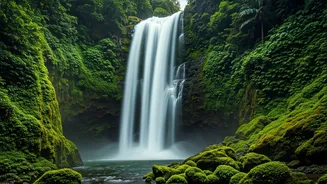
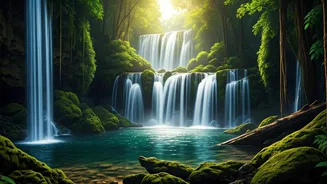
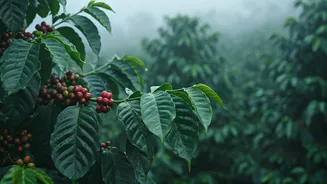
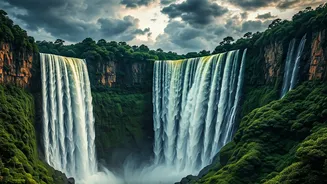
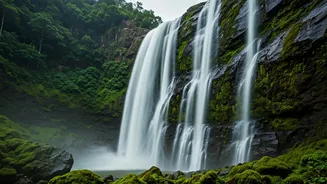
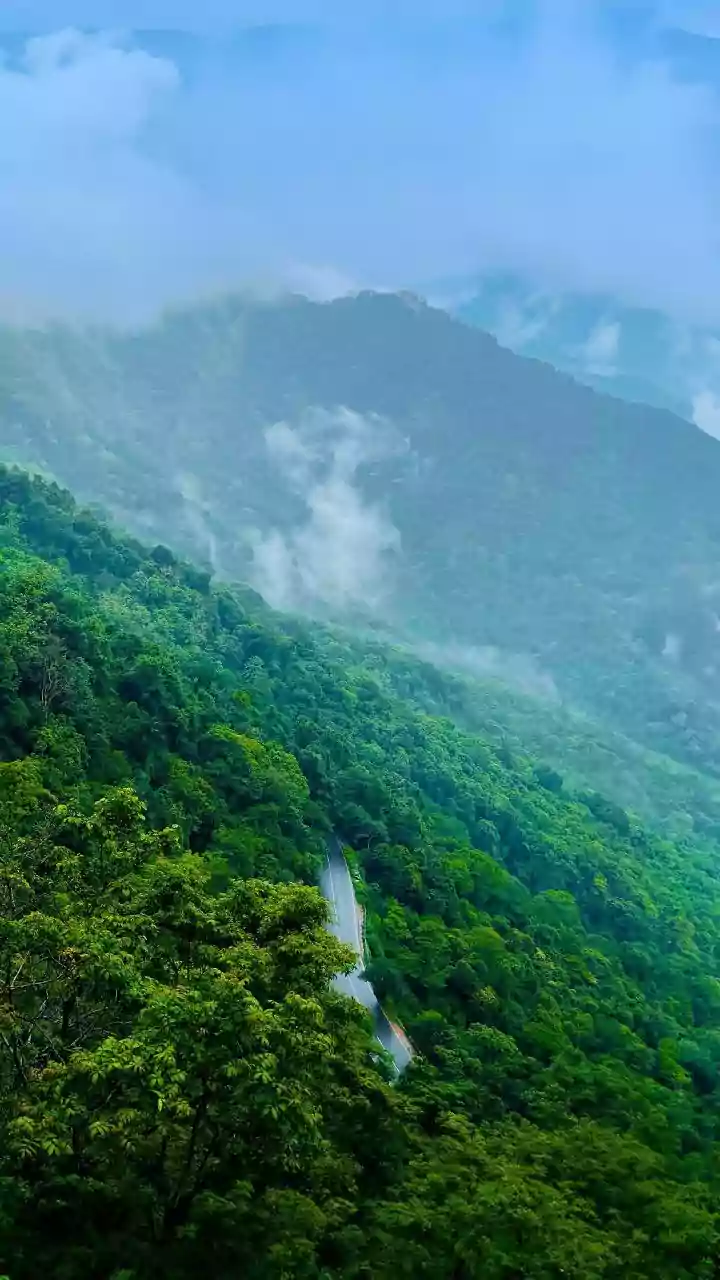
from roughly June to October. The monsoon rains awaken the landscape, feeding thousands of waterfalls that cascade down terraced slopes. Unlike the stark grandeur of the American West's canyons, the Ghats offer a soft, painterly beauty—dense forests, swirling mists, and the constant, powerful motion of water. It's a challenging but deeply rewarding environment that pushes photographers to master light, texture, and atmosphere.
Iconic Waterfalls to Target
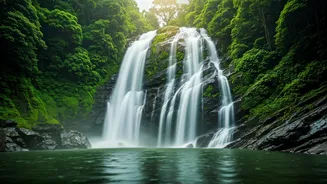
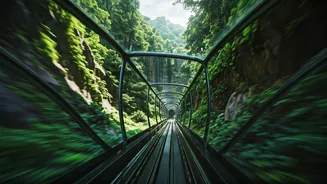
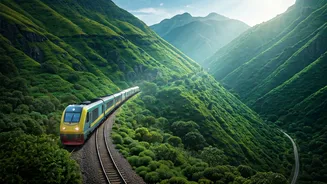
While countless waterfalls appear during the monsoon, a few titans stand out. Dudhsagar Falls in Goa, whose name means “Sea of Milk,” is a magnificent four-tiered cascade that famously has a railway line crossing in front of it, creating an iconic photo opportunity. In Karnataka, Jog Falls is one of India's most famous, plunging nearly 830 feet in a breathtaking display. Further south in Kerala, the powerful Athirappilly Falls—often called the “Niagara of India”—thunders through a lush forest, offering dozens of compositional angles. Researching these anchor locations helps you plan a trip, but the real magic often lies in the smaller, unnamed falls you’ll discover along the winding mountain roads.
The Local Photography Club Advantage
Why not just rent a car and go it alone? Because joining a local photography club or tour group offers invaluable benefits. First is access. Locals know the secret viewpoints, the safest paths, and the best times of day to shoot, saving you from the trial-and-error that can eat up a short trip. Second is safety. Navigating slick, muddy trails during a downpour is risky, but experienced guides understand the terrain and conditions. Finally, there's community. Traveling with fellow Indian photographers provides a rich cultural exchange. You’ll not only get photography tips but also share stories, meals, and a deeper appreciation for the region that you’d never find on a standard tourist bus.
How to Find and Vet Local Groups
Finding these clubs from the U.S. is easier than you think. Start with social media. Search Instagram and Facebook for hashtags like #BangalorePhotographers, #MumbaiHikers, #PunePhotography, or specific location tags like #DudhsagarFalls. This will lead you to local clubs and tour operators specializing in photo walks and weekend trips. Look for groups with a consistent posting history, clear itineraries, and positive comments from past participants. Websites like Meetup can also be useful in major cities near the Ghats, such as Bengaluru, Pune, and Mumbai. Before booking, send a direct message or email to ask about group size, the level of physical fitness required, and what camera gear they recommend.
Essential Gear and Photo Tips
Packing for the Ghats requires a focus on weatherproofing. A reliable rain cover for your camera and backpack is non-negotiable. A sturdy tripod is crucial for achieving silky-smooth long exposures of the flowing water. For lenses, a versatile wide-angle zoom (like a 16-35mm) is perfect for capturing the scale of the landscape, while a telephoto lens (like a 70-200mm) helps isolate details in the falls. Don't forget a circular polarizer filter to cut glare on wet leaves and rocks, which will make the greens and earth tones pop. Technically, use a slow shutter speed (from 1/4 to 2 seconds) to create that dreamy, blurred water effect. Because the light is often flat and diffused by clouds, you can shoot all day without harsh shadows, focusing purely on composition and mood.