





Meet India's Travel Boom
To understand what’s happening in Thailand’s Phuket or Malaysia’s Kuala Lumpur, you first have to look inside India. For decades, international travel was a luxury reserved for the ultra-wealthy. Today, that's rapidly changing. India is home to the world's
fastest-growing major economy and a burgeoning middle class with more disposable income than ever before. Combined with a massive youth population—over 65% of Indians are under 35—you have a powerful recipe for wanderlust. This new generation of travelers is digitally savvy, aspirational, and eager to explore. They grew up seeing the world on Instagram and are now earning the money to see it in person. After years of pandemic-related restrictions, pent-up demand has exploded. But unlike previous generations who might have prioritized a single, extravagant trip to Europe or the U.S., this new cohort is looking for accessible, repeatable, and value-packed international experiences closer to home. They want the thrill of a foreign stamp in their passport without the prohibitive cost or complex logistics of a transatlantic journey.
The Power of an Open Door
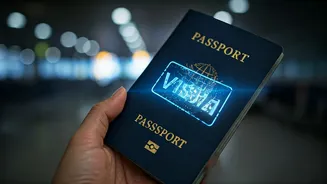
Several countries saw this coming and rolled out the red carpet. In late 2023, both Thailand and Malaysia made a game-changing move: they announced visa-free entry for Indian citizens. This policy shift cannot be overstated. For the average traveler, securing a visa often means paperwork, appointments, fees, and weeks of anxious waiting. It’s a significant barrier to spontaneous or budget-conscious travel. By eliminating this process, Thailand and Malaysia effectively sent a signal that Indian tourists were not just welcome, but actively wanted. The effect was immediate. Airlines reported a spike in bookings, and travel agencies began promoting new, hassle-free tour packages. A trip that once required weeks of planning could now be booked on a whim. This “open door” policy transformed the travel equation, making these destinations as easy to visit for an Indian citizen as a trip to a neighboring state. It’s a classic case of smart economic diplomacy, where tourism policy becomes a tool for attracting foreign currency and forging closer cultural ties.
More Bang for the Rupee
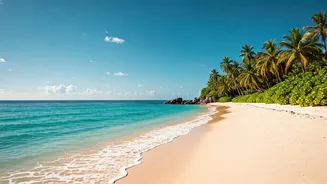
Beyond the ease of entry, there's the simple, undeniable appeal of value. For the Indian traveler, destinations like Thailand and Malaysia hit a sweet spot between affordability and aspiration. They offer world-class beaches, vibrant street food scenes, luxury shopping, and rich cultural heritage at a price point that is significantly lower than in the West. A week-long vacation in Thailand, including flights, accommodation, and activities, can cost less than a peak-season trip to a popular domestic destination within India itself. The Indian rupee goes further, allowing travelers to enjoy experiences that might be considered high-end luxuries elsewhere. Whether it's scuba diving in the Andaman Sea, exploring ancient temples, or indulging in a spa day, these countries provide a sense of attainable luxury. This powerful combination of proximity, cultural familiarity, and financial accessibility makes them an almost irresistible choice for first-time and veteran international travelers alike.
The Maldives: An Enduring Luxury Escape
The Maldives fits into this picture a bit differently. It has long been a premier, high-end destination for Indian travelers, particularly for honeymoons and celebrity getaways. Before the recent visa changes in Thailand and Malaysia, India was consistently one of the top source markets for tourism to the Maldivian archipelago. Its appeal isn't based on budget travel but on its reputation for unparalleled luxury, with its iconic overwater bungalows and pristine atolls. While the surge here isn't driven by new visa-free policies—the Maldives already offered a relatively simple visa-on-arrival process—its continued popularity underscores the broader trend of Indians preferring regional, high-quality destinations. Recent diplomatic tensions between the two nations in early 2024 caused a temporary dip in arrivals, sparking calls within India to boycott the destination. However, the underlying draw of the Maldives as a premier luxury spot in the Indian Ocean remains a powerful force, illustrating the depth and diversity of the Indian outbound travel market, which spans from budget-conscious explorers to high-spending vacationers.