


Golden Pothos: The Indisputable Champion
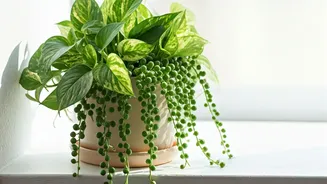
If trailing plants had a hall of fame, the Golden Pothos (Epipremnum aureum) would be a first-ballot inductee. This is the plant you see effortlessly draping over bookshelves in magazines, and for good reason: it’s practically bomb-proof. Its heart-shaped,
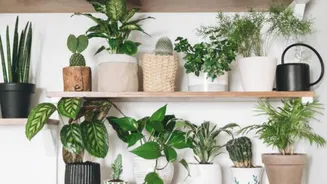
green-and-yellow-variegated leaves grow on vines that can reach impressive lengths, creating an instant sense of abundance. The Golden Pothos is the definition of “low-tantrum.” It tolerates a wide spectrum of light conditions, from bright, indirect sun to shadier corners of your home. Forget to water it for a week (or two)? It will likely forgive you, drooping slightly as a polite reminder before bouncing back post-drink. It’s a fast grower, giving you that satisfying sense of progress without any real work. For a classic summer look, let it cascade from a high shelf or the top of a cabinet.
Heartleaf Philodendron: The Sweetheart Vine
Often confused with Pothos, the Heartleaf Philodendron (Philodendron hederaceum) is its equally easy-going cousin, distinguished by its distinctly thinner, more pronounced heart-shaped leaves. Its deep green, velvety foliage offers a slightly more delicate and romantic aesthetic. This plant is a master of adaptation, thriving in most indoor environments. Like the Pothos, it’s not fussy about light and can handle occasional neglect when it comes to watering. Its trailing vines are perfect for softening the hard edges of furniture or framing a window. For a beautiful effect, place it in a hanging macrame planter and let its vines create a living curtain of green. It’s the perfect starter plant for anyone who thinks they have a “black thumb,” as it’s incredibly resilient and communicative, drooping just enough to let you know it’s thirsty.
Spider Plant: The Prolific Fountain
The Spider Plant (Chlorophytum comosum) isn’t a vine in the traditional sense, but its growth habit makes it a spectacular trailing feature. Its arching, ribbon-like leaves create a fountain effect, spilling gracefully over the sides of its pot. But the real magic comes when it starts producing “spiderettes”—tiny baby plants that dangle from long stems like ornaments. These can be snipped off and easily propagated into new plants, making it the gift that keeps on giving. Spider Plants are renowned for their toughness. They prefer bright, indirect light but can manage in lower-light situations, though their variegation might fade. They store water in their thick, tuberous roots, making them forgiving of inconsistent watering. A healthy, mature Spider Plant in a hanging basket is a statement piece that screams effortless, retro-cool summer.
Satin Pothos: The Silver-Splashed Stunner
For those who want something a little different, the Satin Pothos (Scindapsus pictus) is a showstopper. While not a true Pothos, it shares its vining habit and easy-care nature. Its dark green, heart-shaped leaves are splashed with silvery, reflective markings that almost shimmer in the light, adding a touch of glamour to your plant collection. It's a slightly slower grower than its common cousins, which makes it perfect for smaller spaces where you don’t want a plant to take over completely. It enjoys bright, indirect light to maintain its striking coloration but will tolerate lower light. The key to keeping a Satin Pothos happy is to let the soil dry out between waterings; its leaves will curl inward slightly to signal its thirst. This plant is perfect for adding texture and a touch of the exotic to your summer decor without demanding any diva-like treatment.
English Ivy: The Timeless Classic
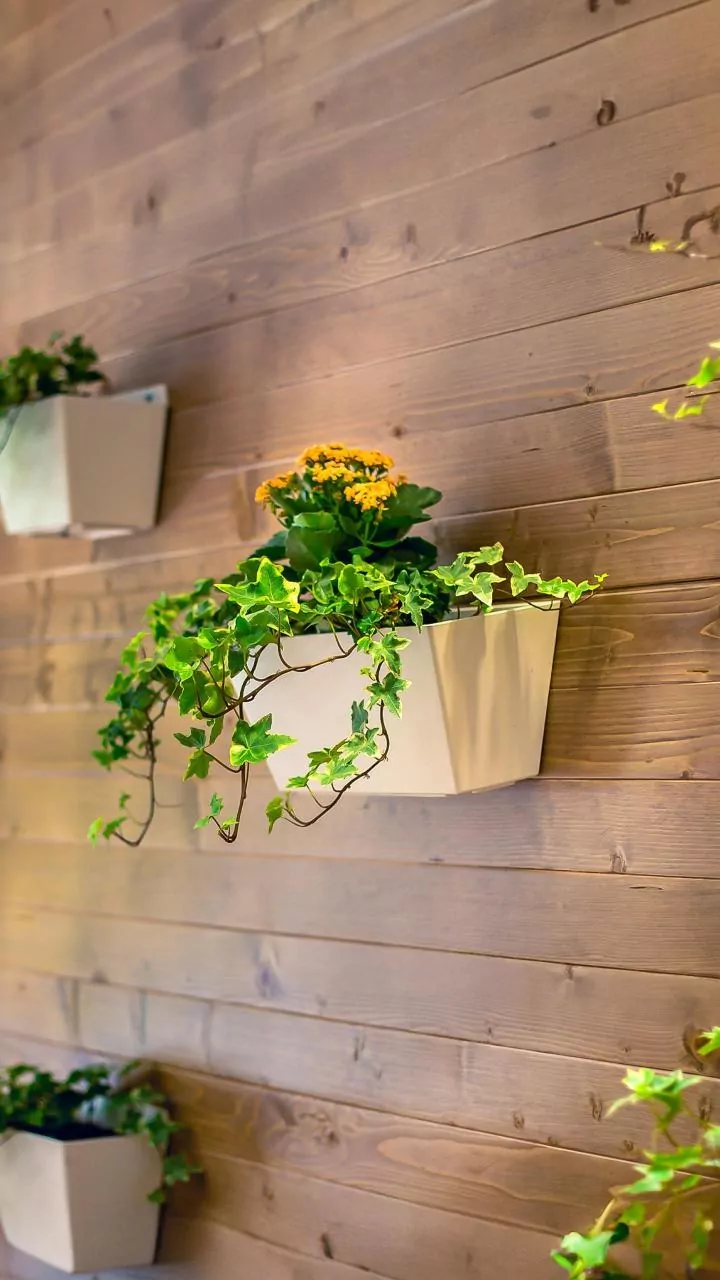
While it has a reputation for aggressively taking over brick buildings outdoors, English Ivy (Hedera helix) is a much more contained—and elegant—guest inside your home. With its classic, lobed leaves and vigorous trailing habit, it can bring a touch of old-world charm to any room. There are countless varieties available, from deep green to those with intricate white or yellow variegation. Indoors, it’s a surprisingly low-maintenance companion. It prefers cooler temperatures and bright, indirect light but is adaptable. It’s a great candidate for a hanging pot in a kitchen or a bathroom where it can enjoy a bit of extra humidity. Let its vines trail down a wall or train them to climb around a window frame for a beautiful, living art installation. It’s a durable, fast-growing option that provides a lot of green for your buck.