





First Off, Where Is Sikkim?
Before we get to the lake, let’s place ourselves on the map. Sikkim is a small, landlocked state in northeastern India, wedged between Nepal, Bhutan, and China’s Tibet region. It’s a world away from the chaotic energy many associate with India. Imagine
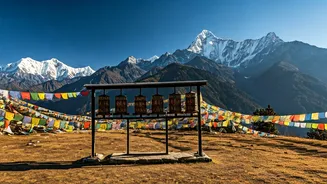
a place that feels more like a Himalayan kingdom—because until 1975, it was. Known for its pristine mountain landscapes, vibrant Buddhist monasteries, and a reputation as one of India's cleanest states, Sikkim is a breath of fresh, high-altitude air. Its capital, Gangtok, is a bustling but orderly hillside city that serves as the gateway for most adventures, including the trip to our main attraction.
The Journey Is Part of the Story
Tsomgo Lake, also known as Changu Lake, is located about 25 miles from Gangtok, but the journey takes a winding two to three hours. This isn't a simple highway drive; it's an ascent. As your car climbs the steep, zigzagging roads of the Jawaharlal Nehru Marg, you leave the subtropical greenery of the valleys behind. The air thins, the temperature drops, and the landscape transforms into a rugged alpine canvas. You’ll pass military checkpoints, a reminder of the sensitive border with China just a few miles away. This journey—with its hairpin turns and jaw-dropping cliffside views—isn't just a commute; it's the dramatic opening act for the spectacle to come.
A High-Altitude Wonderland
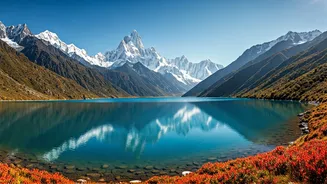
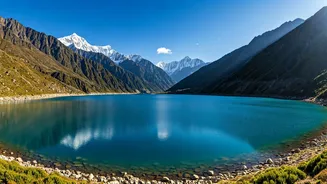
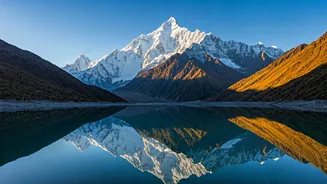
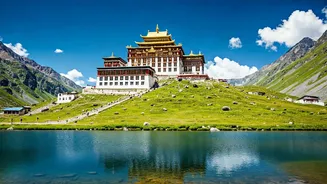
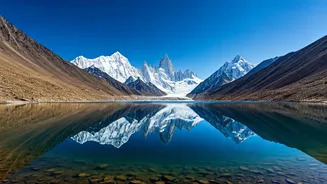
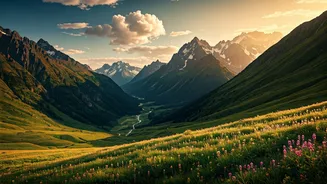
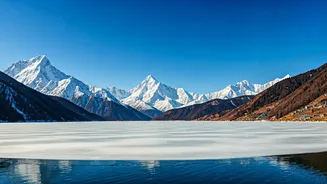
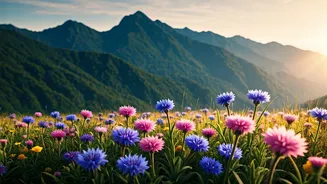
At an elevation of 12,313 feet, Tsomgo Lake is a stunning glacial body of water fed by melting snow from the surrounding peaks. Its beauty shifts dramatically with the seasons. In spring and summer, the lake is a placid, emerald-blue mirror reflecting the mountains, with wildflowers and rhododendrons dotting the nearby slopes. But the real “flex” happens from late fall through winter. As temperatures plummet, the lake’s surface begins to freeze, eventually becoming a solid sheet of ice you can walk on. The entire basin is blanketed in snow, creating a stark, white, and almost otherworldly landscape. It’s here you’ll find colorfully adorned yaks and mules, ready to give visitors a slow, steady ride along the frozen shore—a photo op that’s hard to beat.
More Than Just a Pretty View
What elevates Tsomgo from a simple scenic spot to a truly meaningful destination is its cultural significance. The name 'Tsomgo' means 'source of the water' in the local Bhutia language, and the lake is revered as sacred by both Buddhists and Hindus. For generations, local spiritual leaders, known as lamas, would study the color of the lake’s water to forecast the future. A dark, murky color was said to portend a troubled year, while a clear, aquamarine hue signaled prosperity. A small Shiva temple on the lake's shore adds to the spiritual atmosphere. This layer of belief and tradition gives the place a soul, making your visit feel less like tourism and more like a pilgrimage.
The Practical 'Flex': How to Visit
Because of its proximity to the international border, visiting Tsomgo Lake requires a Protected Area Permit (PAP). Don’t let that intimidate you; it’s a standard process. Foreign nationals (including U.S. citizens) must arrange their permit and transportation through a registered tour operator in Sikkim. They handle all the paperwork for you, typically requiring copies of your passport, visa, and a couple of passport photos. The best time to see the frozen lake is from January to March, but be prepared for frigid temperatures. For milder weather and blooming flowers, aim for April to June. No matter when you go, pack layers: a warm jacket, gloves, and a hat are non-negotiable, even in summer, as mountain weather can change in an instant.