



The Legendary Route
We're talking about the Going-to-the-Sun Road in Montana's Glacier National Park. This isn't just a road; it's a 50-mile-long National Historic Landmark and an engineering marvel. Completed in 1932 after two decades of daunting construction, it's the only
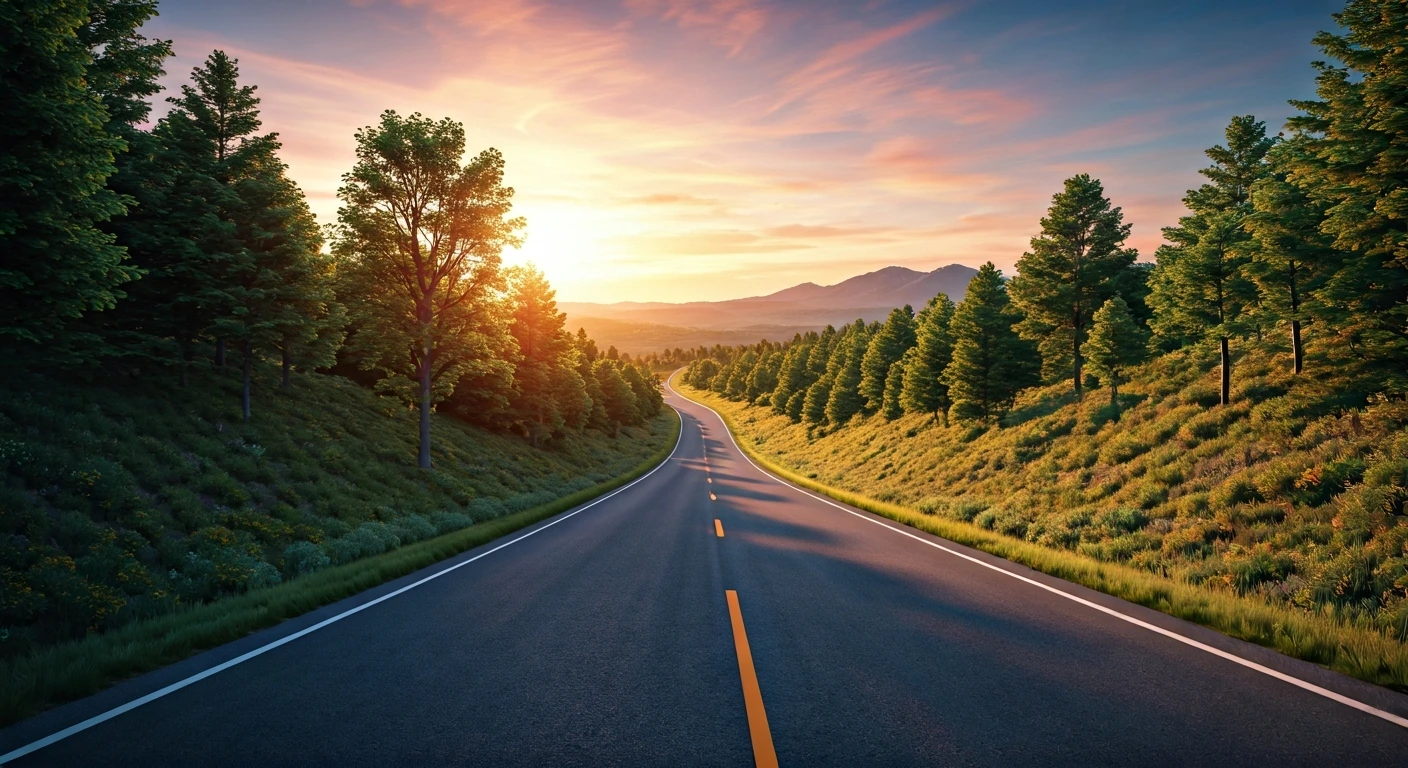
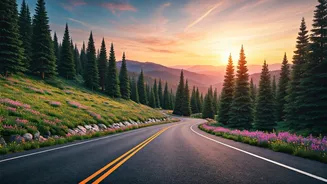
road that traverses the entirety of this wild, majestic park. It snakes through glacial valleys, clings to sheer cliffs, and crosses the Continental Divide at an elevation of 6,646 feet. For the few short months it’s fully open each year—typically from late June or early July until the first heavy snow in the fall—it offers drivers a front-row seat to some of the most dramatic scenery in North America. Driving it feels less like a commute and more like a pilgrimage.
The Ascent from Lake McDonald
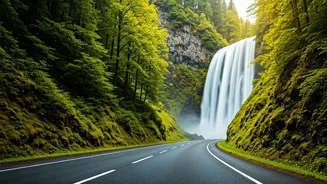
Most travelers begin their journey from the park's west entrance. The drive starts tamely, winding through dense cedar and hemlock forests alongside the glassy, ten-mile-long Lake McDonald. The placid water reflects the surrounding peaks, offering a deceptively calm prelude to the drama ahead. As you climb, the road begins to narrow. Pullouts like the one at McDonald Falls offer your first taste of the powerful glacial meltwater that carved this landscape. The air grows cooler, the trees begin to thin, and the views start opening up. You’ll pass the iconic Weeping Wall, a stretch of rock face where snowmelt cascades directly onto the road, giving your car a refreshing mountain shower.
Navigating The Garden Wall
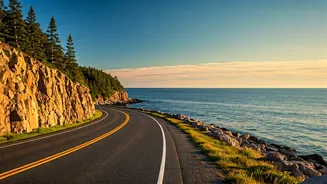
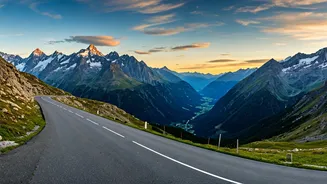
The most famous—and for some, nerve-wracking—section is the ascent to Logan Pass. Here, the road is literally blasted out of the mountainside. This stretch, known as the Garden Wall, is a masterclass in cliff-hugging engineering. To your right is a sheer rock face; to your left, a low stone guardrail is all that separates you from a dizzying drop into the valley below. It's a place to keep your eyes on the road, but your passengers will be treated to jaw-dropping views of U-shaped valleys and distant glaciers. Vehicles over 21 feet long are prohibited for good reason. This part of the journey is slow and deliberate, a forced meditation on the scale of your surroundings.
The Main Event: Logan Pass
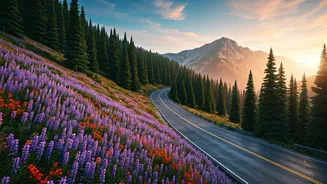
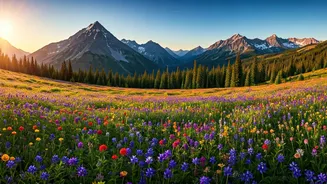
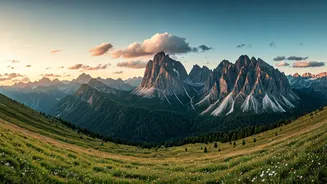
After the white-knuckle climb, you arrive. Logan Pass is the summit, the climax, the spectacular view promised by the headline. Parking your car and stepping out, you're greeted by a 360-degree spectacle. You're standing on the rooftop of the continent. Before you, the Clements and Reynolds mountains pierce the sky. Alpine meadows, blanketed in wildflowers like glacier lilies and bear grass in mid-summer, stretch in every direction. This is also prime wildlife habitat. It's not uncommon to spot lumbering bighorn sheep or nimble mountain goats navigating the rocky terrain, often just feet from the visitor center's boardwalks. The view isn't just a picture; it's an immersive experience in a high-alpine ecosystem that feels worlds away from where you started.
Know Before You Go
Experiencing this drive requires planning. The road’s full opening is weather-dependent, so always check the NPS website for its current status. Since 2021, Glacier National Park has implemented a vehicle reservation system for the Going-to-the-Sun Road corridor during peak season, which you must secure online in advance. Arrive early, as the Logan Pass parking lot fills up quickly. Dress in layers; the temperature at the pass can be 20 degrees cooler than in the valley, and mountain weather changes in an instant. Finally, take your time. The point isn't to race to the top but to savor the unfolding beauty of one of America's greatest drives.