







1. They Treat Their Phone as a Nutritionist
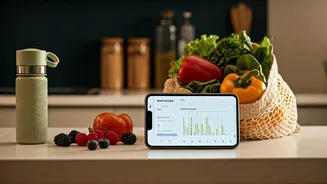
Today’s students are digital natives who leverage technology for everything, including their diet. They’re not just scrolling through social media; they’re using a suite of apps to master their meals. Apps like MyFitnessPal and Cronometer help them track
macronutrients and calories, ensuring they’re getting balanced fuel for late-night study sessions. Others, like Flipp, help them find the best grocery deals in their area, stretching a tight budget without sacrificing quality. Campus-specific apps often provide dining hall menus in advance, allowing students to plan their day’s meals before even leaving their dorm. This digital-first approach transforms eating from a reactive chore into a proactive strategy.
2. Plant-Forward Is the Default, Not the Exception
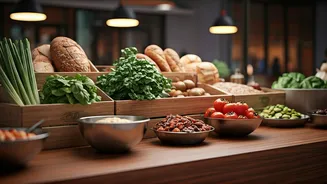
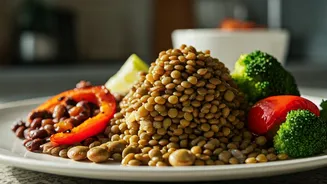
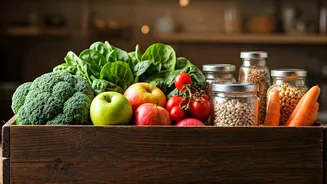
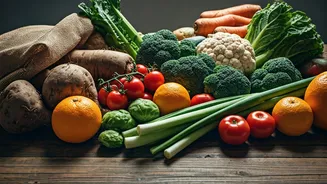
Walk into any modern university dining hall, and you’ll see a profound shift. The sad, wilted salad bar of yesterday has been replaced by vibrant, diverse plant-based options. For Gen Z, this isn't a fringe movement; it's mainstream. Driven by a mix of ethical, environmental, and health concerns, many students are embracing flexitarian, vegetarian, or fully vegan diets. Campus food services have responded in kind, offering everything from oat milk lattes and Impossible Burgers to dedicated vegan stations with grain bowls and creative tofu dishes. This isn't about deprivation; it's about abundance and choice, proving that plant-forward eating can be delicious, satisfying, and accessible.
3. 'Where Does It Come From?' Is a Real Question
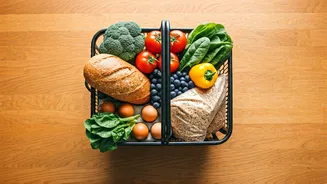
This generation cares deeply about the story behind their food. They are far more likely to prioritize sustainability, ethical sourcing, and local producers than previous cohorts. Many universities now highlight partnerships with local farms, label the carbon footprint of menu items, and run on-campus farmers' markets. Students are actively seeking out brands with transparent supply chains and eco-friendly packaging. This conscious consumerism extends beyond the dining hall, influencing where they buy groceries and which coffee shops they support. For them, a 'good' meal isn't just about taste or nutrition—it’s also about its impact on the planet and the community.
4. They're Masters of the 'Dorm Room Hack'
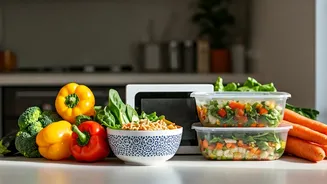
Limited space and equipment? No problem. Inspired by an endless stream of TikTok and YouTube tutorials, students have become incredibly resourceful cooks. They’re turning a simple microwave into a tool for making everything from mug cakes to steamed vegetables and 'baked' potatoes. Electric kettles are used to make oatmeal, poached eggs, and instant soups. The rise of the air fryer has been a game-changer, allowing them to make crispy, healthier versions of their favorite foods with minimal oil and effort. This DIY culture, fueled by social media, empowers them to create affordable, relatively healthy meals without a full kitchen, turning resourcefulness into a badge of honor.
5. Snacking Has Become Strategic
The vending machine full of candy bars and potato chips is no longer the go-to. Students are snacking with intention, looking for options that provide sustained energy, focus, and nutritional benefits. You're now more likely to see backpacks stocked with protein bars, roasted chickpeas, seaweed snacks, and individual packs of nuts or Greek yogurt. They understand the link between diet and academic performance, choosing snacks that prevent energy crashes during long lectures or exams. This shift reflects a broader wellness trend where food is seen as functional fuel for both body and mind, making every eating occasion an opportunity to make a smart choice.