

From Penthouses to Peaks
For decades, the concept of luxury travel was synonymous with opulence. It meant penthouse suites in bustling cities, exclusive beach clubs with bottle service, and white-glove service that anticipated every whim. The goal was extravagance, a departure
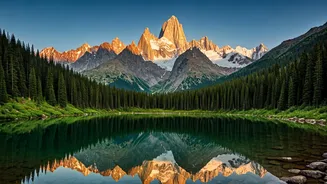
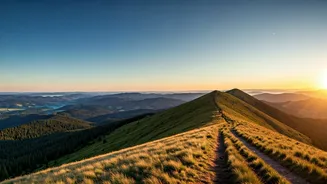
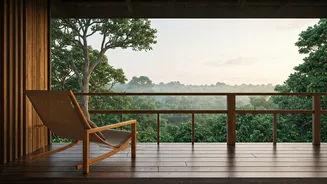
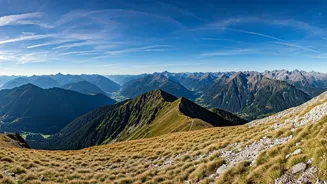
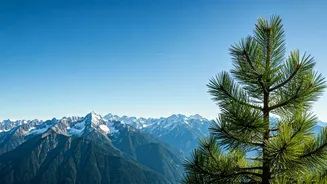
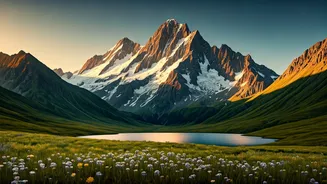
from everyday life into a world of curated perfection. But a quiet revolution has been reshaping our travel aspirations. Today, a growing number of discerning travelers are trading the concrete jungle for alpine forests and the hum of the city for the sound of wind through pine trees. The new definition of luxury isn’t about what can be bought, but what can be felt. It’s about stripping away the noise to find something fundamental: a deep breath of cold, clean air in a place that feels untouched. This shift reflects a broader cultural reevaluation of wealth, where time, peace, and well-being are the new currencies.
Wellness as the Destination
This trend isn’t happening in a vacuum. It’s the natural evolution of the wellness economy, which has moved from juice cleanses and yoga classes into every facet of our lives, especially travel. Mountain environments are the perfect backdrop for this movement. Travelers are seeking out high-altitude destinations not just for skiing or hiking, but for the inherent sense of well-being they provide. This idea, known as biophilia, suggests that humans have an innate need to connect with nature. Being in the mountains provides a powerful dose of it. The vast, open landscapes can reduce mental fatigue and inspire awe, a potent antidote to the burnout of modern life. Resorts are responding, with properties from Aspen to the Swiss Alps now marketing “forest bathing” (shinrin-yoku), guided alpine meditations, and high-altitude training programs. The experience is no longer just a vacation; it’s a restorative investment in one’s own health.
Unplugging as the Ultimate Status Symbol
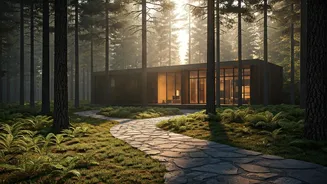
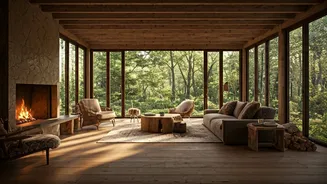
In a world where we are perpetually online, the ability to disconnect is perhaps the greatest luxury of all. Mountain regions, often with spotty cell service and a culture that encourages being present, offer a forced digital detox. While older forms of luxury were about being seen in the right places, this new form is about the freedom of being unreachable. Posting a photo from a remote peak communicates a different kind of status—one that says, “I am so in control of my life that I can afford to be offline.” It’s a quiet flex, a testament to prioritizing mental clarity over constant connectivity. This desire for disconnection is a direct response to the pressures of an always-on work culture, turning a remote cabin in Wyoming or a chalet in Montana into a more coveted escape than a plugged-in suite in New York or Miami.
The Search for Authentic Experience
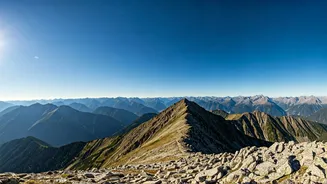
Ultimately, the appeal of mountain air is its authenticity. It’s a real, tangible sensation that can’t be replicated, manufactured, or optimized. In an era of AI-generated images and curated social media feeds, we crave experiences that are grounding and undeniably real. The sharp intake of breath on a cold morning, the scent of pine and damp earth, the profound silence of a snow-covered landscape—these are visceral, sensory inputs that root us in the present moment. This isn’t a passive experience like being served a cocktail by the pool. It requires engagement: the hike to the viewpoint, the chill on your skin, the effort of the climb. It’s this combination of effort and reward, of raw nature and deep tranquility, that makes the simple act of breathing in the mountains feel like the most luxurious experience on earth.