
A Bite of Liquid Gold
Before you even taste it, the aroma tells a story. It’s a heady perfume of honey, citrus, and something uniquely floral—a fragrance that has perfumed the hot summer air of northern India for generations. This is the Dussehri mango, a fruit that connoisseurs
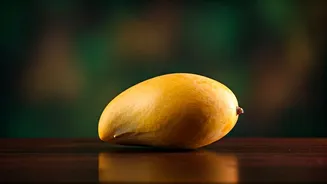
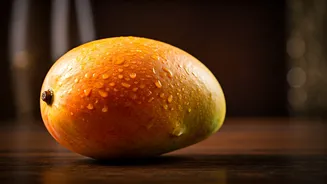
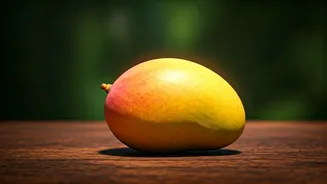
argue is the pinnacle of the mango experience. Unlike the round, fleshy mangoes common in American supermarkets, the Dussehri is elegantly oblong, with a golden-yellow skin that gives way to a completely fiberless, buttery pulp. The taste is intensely sweet but never cloying, a pure, concentrated essence of sunshine and nectar. To eat a perfectly ripe Dussehri is not just to eat a fruit; it's to experience a piece of culinary art, one that was quite literally designed for royalty.
The Royal Gardens of the Nawabs
The story of this legendary mango is inseparable from the history of Lucknow, a city in the northern state of Uttar Pradesh. During the 18th and 19th centuries, the region, then known as Awadh, was ruled by the Nawabs. These Shia Muslim rulers were famous for their opulent courts, their patronage of poetry, music, and architecture, and an almost fanatical devotion to creating beautiful things. While other rulers built fortresses, the Nawabs of Awadh built magnificent gardens, or *baghs*. These weren't just recreational spaces; they were laboratories of horticultural innovation. The Nawabs sponsored gardeners and botanists, encouraging them to graft, cross-pollinate, and perfect fruits and flowers. Their ultimate obsession? Creating the perfect mango. They sought a fruit with no stringiness, a small, thin pit, and a flavor so divine it would be remembered for ages. They succeeded beyond their wildest dreams.
The Mother Tree of All Dussehris
The legend of the Dussehri mango has a specific, almost mythical starting point. The original tree is said to still stand in the village of Dussehri, near Lucknow. According to local lore, this 'mother tree,' now over 200 years old, was the result of a chance seedling that produced a fruit of unparalleled quality. The fame of this mango reached the Nawab of Lucknow, who was so impressed he claimed ownership of its entire harvest. The gardener, in a fit of pique at not being able to share the fruit, threatened to cut the tree down. The Nawab relented, but only after making a deal: every other tree that was grafted from this original would be considered part of the royal orchards. This decree ensured the Dussehri's proliferation throughout the region, cementing its status as a fruit of the elite. Every single Dussehri mango in existence today is a genetic descendant of this one tree, a living link to a centuries-old story.
The Mango Belt Today
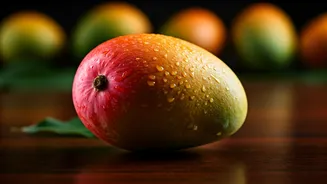
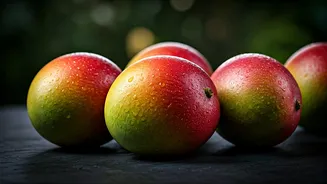
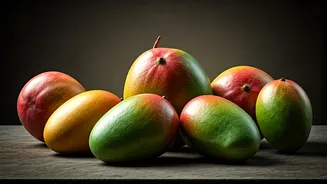
Today, the area around Lucknow, particularly the nearby town of Malihabad, is known as India's 'mango belt.' It is a landscape defined by sprawling orchards where generations of families continue the work started by the Nawabs. While the Dussehri remains the undisputed king, the region is also famous for other exquisite varieties like the Langra, known for its slight tang, and the Chausa, a late-season variety with an intensely sweet, almost syrupy flavor. These mangoes aren't just a commercial crop; they are a source of immense cultural pride. During the brief, frantic mango season from May to July, the entire region revolves around the fruit. Markets overflow with fragrant baskets, families make trips to orchards for picnics, and debates rage over which variety is truly the best. The work is hard, and growers face modern challenges like climate change and market pressures, but the dedication to preserving this sweet heritage remains.