


What is the Monsoon, Anyway?
Forget what you might picture from films about Southeast Asia. The North American monsoon is a distinct seasonal phenomenon that affects the Southwest, primarily Arizona, New Mexico, and parts of Utah, Colorado, and Nevada. From roughly late June through
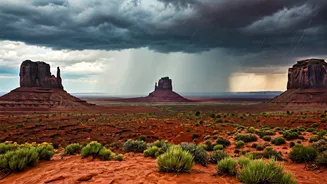
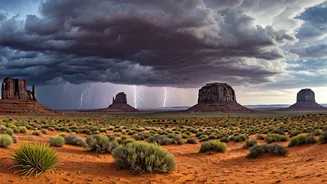
mid-September, a shift in wind patterns pulls moist, tropical air from the Pacific Ocean and Gulf of Mexico into the desert. This moisture interacts with the intense summer heat, creating the perfect conditions for sudden, violent thunderstorms. These aren't your average summer showers. They are localized, powerful, and can develop with frightening speed, often in the afternoon or evening after a clear, hot morning.
The Primary Danger: Flash Floods
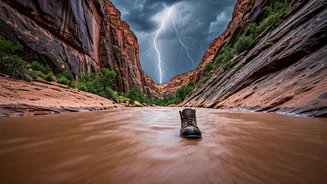
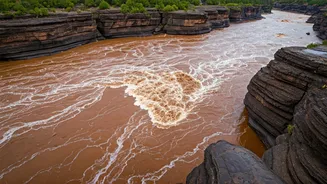
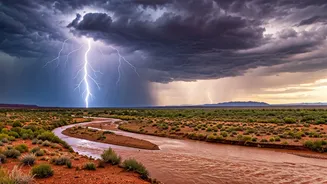
The single greatest threat during monsoon season is flash flooding. The arid, sun-baked desert soil doesn't absorb water well. When a thunderstorm drops an inch or more of rain in under an hour, that water has nowhere to go but downhill. It rushes into the dry riverbeds (arroyos or washes) and scenic slot canyons that make the region famous. A storm happening 10 miles away, under skies that are clear above you, can send a wall of water, mud, and debris roaring down a canyon with no warning. Hikers in canyons and drivers on roads that dip through washes are in the most danger. In a matter of minutes, a dry, sandy path can become a deadly, fast-moving river.
Lightning, Dust Storms, and High Winds
While flooding gets the headlines, it’s not the only hazard. Monsoon thunderstorms are electrical powerhouses, producing a staggering amount of cloud-to-ground lightning. In a landscape with sparse tree cover, a person standing on a ridge or in an open area can easily be the tallest object around. Getting caught on an exposed trail during a storm is extremely dangerous. Furthermore, the strong outflow winds from a collapsing thunderstorm can kick up massive walls of dust known as haboobs. These dust storms can reduce visibility on highways to zero in an instant, leading to multi-car pileups. High winds can also topple trees and cause property damage, even without a full-blown haboob.
How to Adjust Your Holiday Plans
Respecting the monsoon doesn't mean canceling your trip, but it does mean being smart and flexible. First, your new mantra is "check the forecast obsessively." Use the National Weather Service and local news apps, not just your phone's default weather app. Second, shift your schedule. Plan strenuous outdoor activities like long hikes for the early morning, and aim to be back at your car or in a safe indoor location by noon or early afternoon, when storms typically build. Third, always have a backup plan. If your primary goal was a long slot canyon hike and there's a 30% chance of storms, have an alternative activity in a safer location, like a museum or a scenic drive on high ground. Never, ever enter a slot canyon if there is any chance of rain in the entire watershed area.
Driving Safely in Monsoon Country
Your road trip requires a new level of vigilance. Pay attention to road signs warning of areas prone to flooding. If you encounter a flooded roadway, do not attempt to cross it. It's impossible to tell how deep the water is or if the road underneath has been washed away. In Arizona, this is so common that they have the "Stupid Motorist Law," which can hold you financially liable for the cost of your rescue. When driving, if a heavy downpour or haboob suddenly drops visibility, the official advice is to pull off the road as far as possible, turn off all your lights (so other drivers don't follow you and crash into you), and keep your foot off the brake. Wait for the storm to pass. Building extra time into your driving schedule is non-negotiable.