





More Than Just Staring at the Sky
Let’s be clear: this isn’t about zoning out on a picnic blanket. The art of cloud-chasing, or nephology for the dedicated, is an active pursuit. It’s about understanding the sky as a dynamic, ever-changing canvas. Enthusiasts learn to distinguish a wispy
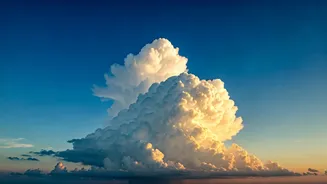
cirrus from a foreboding cumulonimbus, or hope to catch a rare glimpse of iridescent pileus caps or otherworldly lenticular formations that look like stacked UFOs. This isn't a new hobby—the UK-based Cloud Appreciation Society has been championing the atmospheric arts since 2005 with a manifesto that declares, “We believe that clouds are for dreamers and their contemplation is good for the soul.” What’s new is its emergence as a counter-cultural travel statement, a deliberate turn toward the elemental in an age of digital saturation.
The Ultimate Anti-Instagram Vacation
The traditional travel “flex” is performative. It’s the perfectly centered shot of you in front of the Eiffel Tower, the drone footage of a pristine beach, the reservation at a restaurant with a six-month waiting list. These are reproducible, predictable, and, frankly, a little exhausting. Cloud watching is the complete opposite. You can’t schedule a mammatus cloud display. You can’t guarantee a supercell thunderstorm will form on your vacation schedule. The experience is inherently ephemeral and uncontrollable. The flex isn't about proving you were there; it’s about the quiet satisfaction of having been present for a fleeting moment of natural wonder. Your reward isn’t a thousand likes on a photo, but the memory of watching a storm cell build on the horizon or seeing the sun catch a cloud just right at sunset. It’s a flex of patience, perspective, and a willingness to find beauty in the unpredictable.
From Backyard Hobby to Destination Travel
While you can appreciate clouds from anywhere, the truly committed are turning it into a destination activity. For some, this means joining professional storm-chasing tours that rumble across Tornado Alley in the spring, seeking the awe-inspiring (and terrifying) beauty of powerful weather systems. These aren't just for thrill-seekers; they're guided by meteorologists who educate travelers on the science behind the spectacle. For others, it’s about pilgrimages to specific locations. Think of visiting Mount Rainier in Washington to see its famous lenticular clouds, heading to the Gulf of Carpentaria in Australia for the Morning Glory cloud, or simply finding a dark-sky park in West Texas where the Milky Way and the clouds play in stark relief. Technology aids the chase, with sophisticated weather apps and satellite imagery helping hobbyists find the most promising skies, turning a simple weekend trip into a meteorological treasure hunt.
A Search for Something Real
At its core, the rise of cloud-chasing speaks to a deeper cultural craving. In an era defined by screens, algorithms, and carefully constructed digital identities, we're seeking out experiences that are messy, real, and bigger than ourselves. Staring up at the atmosphere is a potent reminder of our place in the world. It’s a practice in mindfulness that requires no yoga mat or subscription fee. It connects us to the same skies that have inspired artists, poets, and scientists for millennia. The trend isn't just about clouds; it's about reclaiming a sense of wonder. It suggests that perhaps the most valuable thing we can gain from travel isn’t a new profile picture, but a new perspective.