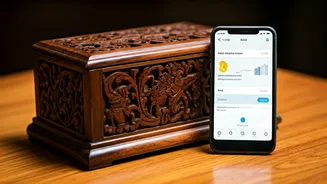









The Method: Part Social Club, Part Bank
Imagine a group of friends or colleagues who all want to save for a big goal—a down payment, a new car, or a vacation. Instead of saving alone, they form a private club. Every month, each member contributes a fixed amount of money into a central pot.
And every month, one member of the group gets to take home the entire pot. This cycle repeats until everyone has had their turn. In India, these informal groups are often called 'committees' or 'chit funds.' It's a Rotating Savings and Credit Association (ROSCA), a system that has existed in cultures across the globe for generations. It’s a simple, powerful idea: leveraging peer pressure and community trust to enforce saving discipline. You can’t just 'skip' a month when your friends are counting on you.
Why It Works: Community Over Code
For many young Indians navigating a competitive job market and rising inflation, traditional financial institutions can feel impersonal and inaccessible. Banks might have high minimums, complex loan applications, and don't always cater to those with a thin credit history. Committees, on the other hand, run on trust and social capital. The 'interest rate' is zero, and the 'credit check' is knowing that a member is a reliable part of your community. This social element is key. It’s not just a transaction; it's a shared commitment. The monthly meetings (whether in person or via a WhatsApp group) reinforce accountability. It transforms saving from a solitary, often stressful chore into a collaborative, goal-oriented activity with a built-in support system.
The Digital Makeover
So, what makes this old-school method a 'trend' for a tech-savvy generation? The answer is the smartphone. A new wave of fintech startups in India is digitizing the entire process. Apps now allow users to form and manage these savings circles online, automating payments, tracking who has received their payout, and even expanding the pool of participants beyond immediate friends to a wider, vetted network. This digital layer removes logistical friction while preserving the core community principle. It makes the system more transparent, secure, and scalable. For a generation that manages their life through apps, this brings the trusted, traditional committee system into their digital comfort zone, making it more appealing than ever.
A Familiar Idea in the U.S.
While the scale and digital adoption in India are notable, the concept itself isn't foreign to the United States. ROSCAs have long been a financial lifeline in many immigrant communities, known by various names like 'tanda' in Latin American communities or 'susu' in West African and Caribbean communities. They serve the same purpose: providing access to lump-sum capital without navigating formal credit systems. The rising popularity among young Indians suggests a broader lesson. As Gen Z and younger millennials everywhere grow more skeptical of traditional financial systems and crave community, this model of collective, peer-to-peer finance could see a mainstream resurgence far beyond its traditional roots.