


The Menu We All Knew
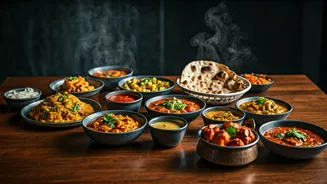
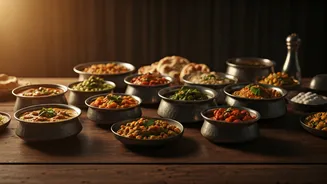
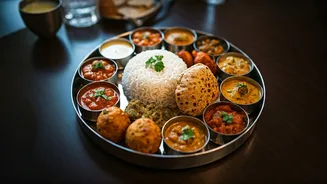
Let’s be honest: for most Americans, the experience of “going out for Indian” has been remarkably consistent for the last 40 years. The menu was almost a comforting script. You’d find a rich, tomato-based curry, a creamy spinach dish with cubes of paneer,
and a tandoori chicken stained red from its yogurt marinade. These dishes, primarily from North Indian, and specifically Punjabi, cuisine became the default ambassadors for an entire subcontinent’s culinary identity. This wasn't by accident. Early Indian immigrants to the U.S. and the U.K. found that these familiar, often milder, and creamier dishes were the most accessible to Western palates. They built successful businesses on this model, introducing millions to Indian flavors and paving the way for everything that was to come. There’s nothing wrong with this food—it’s delicious and beloved for a reason. But it represents a single, narrow brushstroke on a canvas of immense complexity and variety.
Meet the New Guard
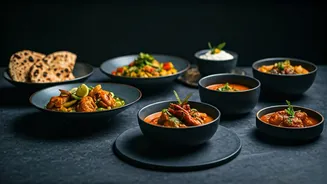
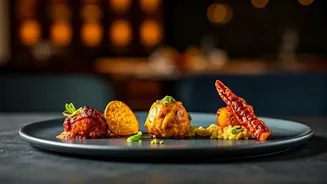
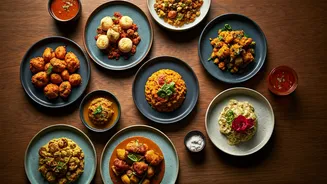
The script is being thrillingly rewritten. A new generation of chefs and restaurateurs, many of them second-generation Indian Americans or recent immigrants with a different vision, are challenging the old model. They aren’t just cooking to please; they’re cooking to represent. In New York City, restaurants from Chef Chintan Pandya, like Dhamaka and Adda, serve what they call “unapologetic” Indian food. Instead of toning down spices or adjusting recipes for American tastes, they celebrate the rustic, powerful flavors of the countryside and lesser-known urban canteens. Here you’ll find dishes like gurda kapoora (goat kidney and testicles) or doh khleh (a pork and lime salad from Meghalaya). In Miami, Chef Niven Patel’s Ghee highlights produce from his own farm in dishes inspired by his Gujarati heritage. In Washington D.C. and across the country, restaurants are emerging that proudly fly the flag for a single region, diving deep into its specific ingredients and techniques rather than offering a pan-Indian buffet.
A Culinary Map Unfurls
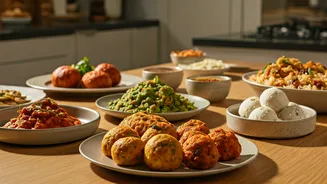
So what does “regional” actually mean? It means trading the generic “vegetable curry” for the specific. It means discovering the coastal flavors of Kerala, where coconut, black pepper, and fresh seafood reign supreme in dishes like meen pollichathu (fish steamed in a banana leaf). It’s about tasting the food of Goa, with its Portuguese-influenced vindaloo that’s fiery and tangy, a world away from the sweet, red curry often served under the same name in older restaurants. We’re seeing chefs explore the complex vegetarian thalis of Gujarat, the hearty, millet-based breads of Rajasthan, the mustard-oil-laced fish preparations of Bengal, and the fermented bamboo shoots of Nagaland. These menus tell a story of geography, climate, and history. They introduce new flavor profiles—funky, sour, bitter—and textures that expand our entire understanding of what Indian food can be.
Why Now?
Several factors are fueling this delicious revolution. First, American diners are simply more adventurous than ever before. Decades of food television, travel, and internet culture have created a customer base that is not just willing, but eager, to try something new and authentic. Second, there's a generational shift. Chefs who grew up in the U.S. are now looking back to the specific dishes their parents and grandparents cooked at home—not the homogenized versions from restaurants—and want to share that heritage with pride. This isn’t just about food; it's an act of cultural reclamation. Finally, the success of a few pioneering restaurants has created a permission structure for others. When a place like Dhamaka earns a James Beard Award for serving guts and brains, it sends a powerful message to other chefs: you don’t have to compromise. You can cook your food, your way, and people will come.