


The Old School of Mindfulness
For years, the concept of “mindful eating” in the U.S. has been dominated by a specific, almost clinical aesthetic. It conjures images of yoga retreats, silent meals, and a hyper-focused, individual analysis of every sensation. Popularized by figures
like Jon Kabat-Zinn, the practice encourages paying deep, non-judgmental attention to the act of eating: the texture of the food, the signals of hunger and fullness, the subtle flavors. While valuable, this version of mindfulness often felt detached, solitary, and frankly, a little bland. It was a practice centered on self-regulation and sensory perception, frequently stripped of cultural context, community, or the sheer joy of a boisterous meal.
A More Flavorful Philosophy
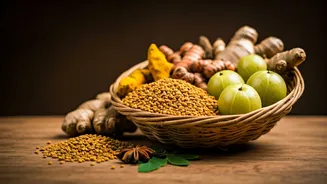
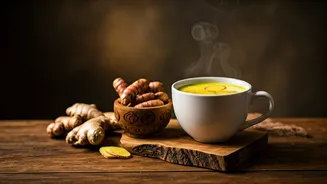
Now, a new interpretation is bubbling up on social media feeds and in wellness circles, one that’s rich with spices, history, and community. South Asian (or Desi) American dietitians, chefs, and influencers are championing a different kind of mindfulness—one that’s been part of their culture for centuries. This “Desi rebrand” isn’t about restriction or quiet contemplation. It’s about abundance, connection, and embracing food as a cornerstone of heritage. It’s about eating with your hands to physically connect with your meal, sharing plates of biryani and dal with family, and understanding that the turmeric in your curry isn't just a flavor—it's a tradition. Instead of asking you to eat less, it asks you to engage more deeply with the story behind your food.
Not New, Just Reclaimed
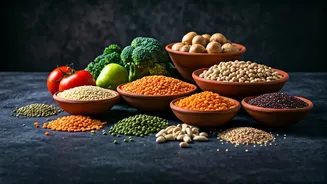
The core of this movement is the realization that these practices aren't new at all; they are ancient. Many of the principles align with Ayurveda, the traditional Indian system of medicine that views food as a primary source of health. Ayurvedic eating emphasizes listening to your body’s unique needs (your “dosha”), eating seasonally, and honoring food as a source of vital energy. Other elements are simply embedded in South Asian culture: the ethos of using every part of a vegetable to prevent waste, the ritual of sitting down for a hot, home-cooked meal, and the belief that feeding others is a profound act of love. What’s changing is the packaging. A generation that once saw these traditions as old-fashioned is now presenting them to the world—and to themselves—as a sophisticated and holistic form of wellness.
The Power of Cultural Reclamation
This shift is more than a wellness trend; it's an act of cultural reclamation. For many second-generation Desi Americans, the fragrant, spice-laden lunches they brought to school were once a source of shame or playground teasing. The richness of their home cuisine was often judged against a Western-centric, low-fat, low-flavor standard of what’s “healthy.” By rebranding their ancestral foodways as a form of mindful eating, they are pushing back against that narrative. They are asserting that their culture’s approach to food is not something to be “cleaned up” or apologized for, but something to be celebrated. It’s a powerful statement that wellness doesn’t have a single, monolithic look. It can be loud, communal, and unapologetically flavorful.