


The Post-Pandemic Pivot to the Highway
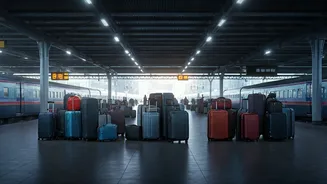
For decades, the quintessential Indian journey involved the rhythmic clatter of a train or a jostling bus ride. But the pandemic fundamentally rewired the nation’s travel DNA. Suddenly, the shared spaces of public transport felt risky, while the personal
bubble of a family car became a sanctuary. This shift wasn’t just a temporary safety measure; it was a catalyst. Indians rediscovered the automobile not just as a tool for commuting, but as a vessel for freedom and exploration. The initial wave of “revenge travel” saw people escaping lockdown fatigue by driving to nearby hill stations and coastal towns. What started as a necessity has since blossomed into a full-blown cultural phenomenon, with families and young professionals alike choosing the flexibility and control of a self-driven journey over the rigid schedules of planes and trains.
Not Your Parents' Pilgrimage
Road travel in India is nothing new, but its purpose has dramatically evolved. The road trips of previous generations were often rooted in necessity or religious pilgrimage—long, arduous journeys to visit family or sacred sites. Today’s great Indian road trip is different. It’s driven by leisure, curiosity, and a desire for experiences. Fueled by a growing middle class with disposable income and exposure to global travel trends via social media, the modern Indian traveler is looking for more than just a destination. They’re seeking the journey itself. It’s about curating a perfect playlist, discovering an unsung local restaurant, finding a scenic spot for a perfect Instagram photo, and feeling the independence that comes with being in complete control of your itinerary. This is not the dutiful family obligation of the past; this is travel as a form of self-expression.
Asphalt, Ambition, and a New India
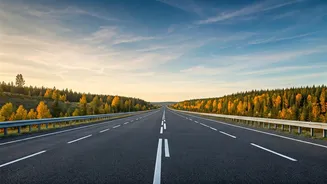
This boom wouldn't be possible without a critical, concrete change: the roads themselves. India is in the midst of an unprecedented infrastructure overhaul, laying down thousands of miles of world-class expressways and highways. Routes that once took 12 grueling hours can now be covered in seven or eight. The Delhi-Mumbai Expressway, for instance, is a game-changer, slashing travel time between the country’s two biggest hubs. This network of smooth, well-lit, and safer roads has made long-distance driving a genuinely attractive proposition. It’s a physical manifestation of the country’s economic ambitions, and it’s directly empowering a new generation of travelers. The confidence to drive from Bangalore to Goa for a long weekend or from Kolkata to the mountains of Sikkim is built on this very asphalt.
A Search for Authentic Experiences
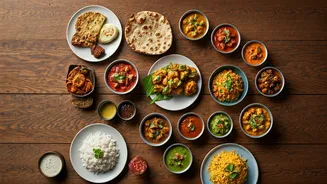
Perhaps the biggest draw of the road trip is the promise of authenticity. In a world of standardized hotel chains and tourist-trap destinations, the road offers a connection to the local fabric of the country. It’s the freedom to pull over at a rustic 'dhaba'—a roadside eatery—for a plate of hot, buttery parathas, an experience no five-star hotel can replicate. It’s stumbling upon a small, centuries-old temple not listed in any guidebook. The rise of boutique homestays and farm stays in rural areas caters directly to this desire. Travelers can stay with local families, eat home-cooked meals, and experience a slice of life far removed from the urban rush. The road trip is a rejection of the packaged tour, allowing people to explore India’s immense diversity on their own terms, one unplanned stop at a time.