


The Foundation: Kande Pohe
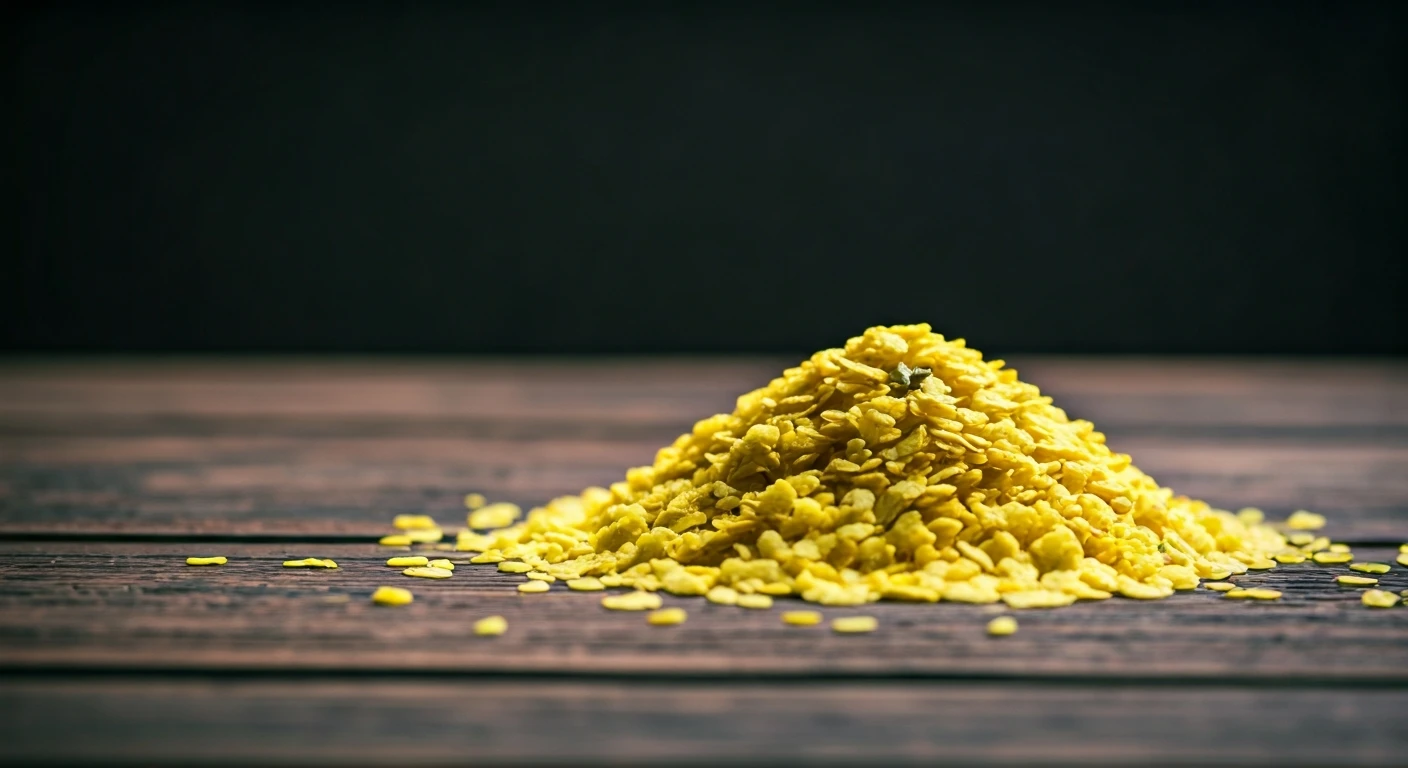
Let’s start with the classic that most Americans encounter first, if they’re lucky. Hailing from the western state of Maharashtra, Kande Pohe is the gold standard. The name itself tells the story: *kande* means onions and *pohe* means flattened rice.
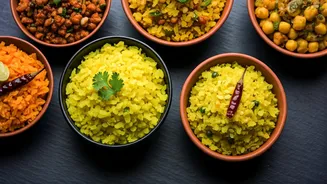
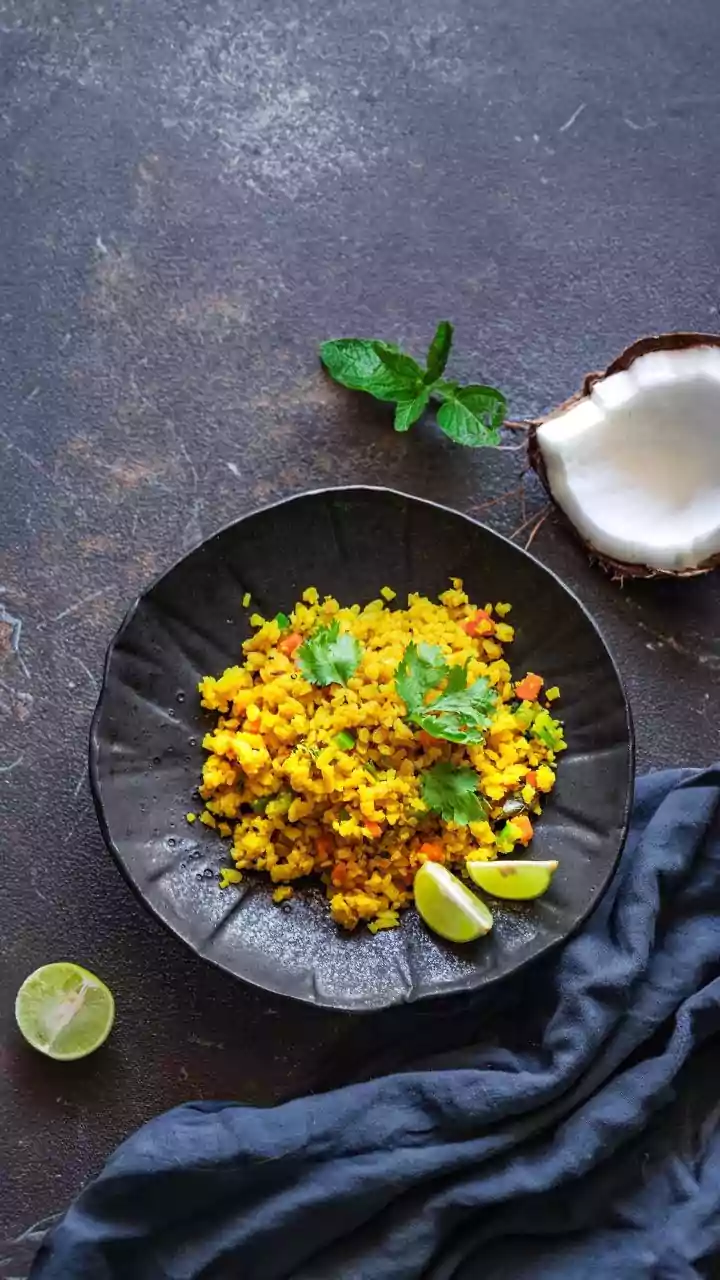
This version is savory, comforting, and brilliantly simple. The poha is first rinsed to soften it, then tossed in a wok with a temper of mustard seeds, turmeric, curry leaves, and green chilies. Soft-cooked onions and sometimes potatoes (*batata pohe*) are folded in, creating a fluffy, sunshine-yellow breakfast staple. Garnished with fresh cilantro and a squeeze of lime, it’s the perfect balance of soft, savory, and tangy—a culinary hug in a bowl.
The Street Food Star: Indori Poha
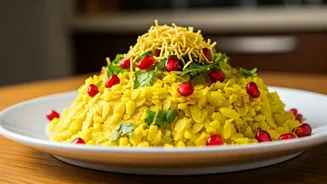
Travel to the heart of India, to the city of Indore in Madhya Pradesh, and you’ll find a version of poha that’s a full-blown party. Indori Poha is a street food legend, a testament to the city’s vibrant culinary scene. The preparation starts similarly, but the magic is in the finishing touches. After steaming, the poha is topped with a generous sprinkle of *jeeravan masala*, a unique and pungent local spice blend that’s tangy, spicy, and slightly sweet. But it doesn't stop there. A mountain of crispy, crunchy *sev* (fried chickpea noodles) is added, along with chopped onions and pomegranate seeds for a juicy burst of sweetness. It’s a textural masterpiece and a flavor explosion that’s completely addictive.
The No-Cook Wonder: Dadpe Pohe
What if you could make a delicious poha without turning on the stove? Enter Dadpe Pohe, a genius creation from Maharashtra’s Konkan coast. This is poha for a hot summer’s day. It uses thin poha flakes that are mixed raw with freshly grated coconut, chopped onions, tomatoes, and cilantro. A squeeze of lime juice and a pinch of salt help soften the flakes, essentially “cooking” them with acid and moisture. The final touch is a sizzling *tadka*—a temper of hot oil, mustard seeds, and asafoetida—poured over the top, which slightly wilts the ingredients and blooms the flavors. It’s light, refreshing, and incredibly quick to assemble.
The Southern Cousin: Aval Upma
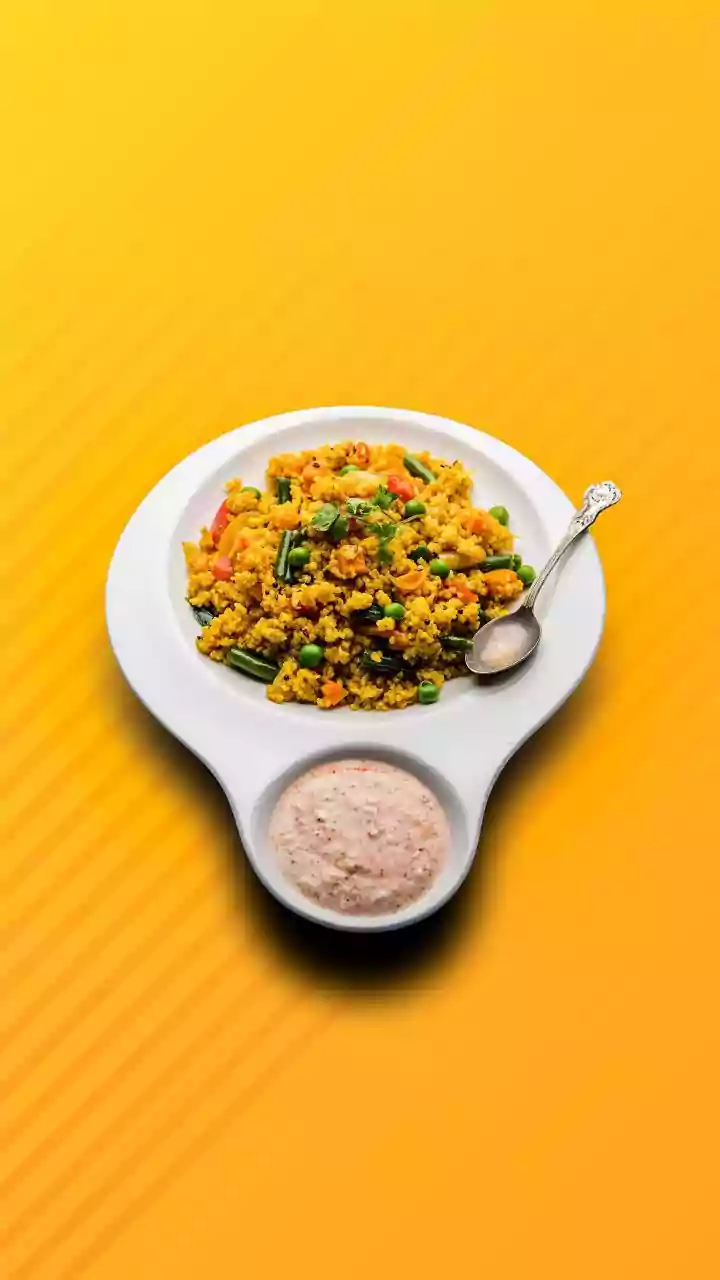
Head south, and poha becomes *aval* or *avalakki*. In states like Tamil Nadu, Karnataka, and Kerala, you’ll find Aval Upma. While it shares a base of flattened rice, the flavor profile is distinctly South Indian. The tempering often includes mustard seeds, urad dal (split black gram), and chana dal (split chickpeas), which add a delightful crunch. Curry leaves are non-negotiable, lending their unique aroma. Some versions might include grated carrots or peas. It's often less yellow than its Maharashtrian cousin, as turmeric can be used more sparingly, letting the flavors of the dals and coconut shine through. It’s a hearty, wholesome dish that showcases the subtler spice palettes of the region.
The Sweet & Tangy Twist: Gojju Avalakki
From the state of Karnataka comes a poha preparation that beautifully blurs the line between a meal and a snack. Gojju Avalakki is a symphony of sweet, sour, and spicy notes. Here, the flattened rice is soaked in a flavorful tamarind-based liquid (*gojju*) that's been spiced with jaggery (unrefined cane sugar), chili powder, and sambar powder. The result is a soft, moist, and intensely flavorful dish that hits every part of your palate. Often garnished with peanuts and grated coconut, it can be eaten cold or at room temperature, making it a popular choice for picnics and travel food. It’s a fantastic example of how a single ingredient can be completely reinvented to create something entirely new and exciting.