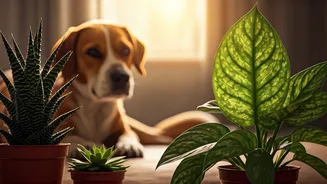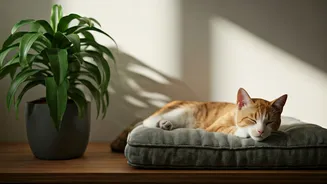




Know the Signs of Poisoning
Before we get to the plants, it’s crucial to recognize the symptoms of poisoning in pets. While effects vary depending on the plant and how much was ingested, common signs include vomiting, diarrhea, drooling, difficulty breathing, lethargy, and lack
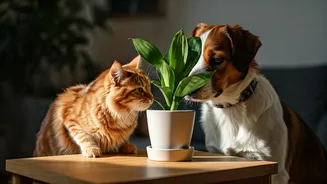
of appetite. Some toxins can cause more severe reactions like seizures, liver failure, or heart problems. Knowing what’s normal for your pet can help you spot trouble early. If you suspect your pet has eaten something toxic, remove the plant and contact your veterinarian or a pet poison control center immediately.
Safe Choice: The Spider Plant
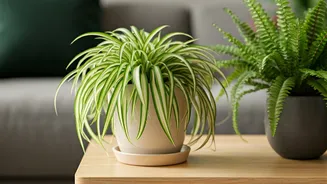
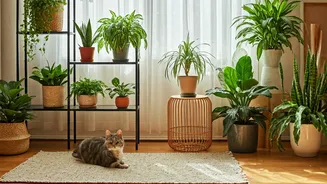
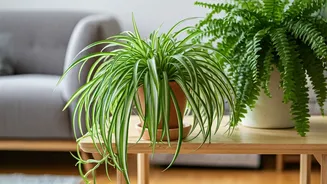
A retro classic for a reason, the Spider Plant (Chlorophytum comosum) is a champion of pet-safe greenery. With its arching green-and-white striped leaves and cascading “pups” (baby plants), it adds a touch of playful drama to any room. It’s famously easy to care for, tolerating a wide range of light conditions and forgiving the occasional missed watering. Best of all, it's completely non-toxic to both cats and dogs, making it a worry-free choice for hanging baskets or shelves well out of reach of curious paws (though no harm is done if they get to it).
Safe Choice: Calathea Varieties
If you’re looking for stunning foliage, look no further than the Calathea family. Often called Prayer Plants or Zebra Plants, these beauties are known for their intricate patterns and vibrant colors, with leaves that often fold up at night. From the pinstripes of the Calathea ornata to the peacock-like spots of the Calathea makoyana, there’s a variety for every taste. They require a bit more attention—preferring high humidity and indirect light—but the visual payoff is immense. The entire family is non-toxic, so you can collect them without fear.
Safe Choice: The Boston Fern
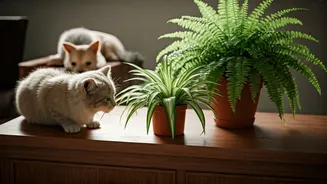
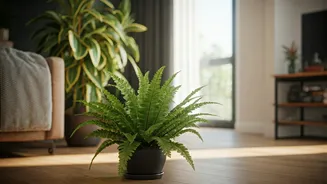
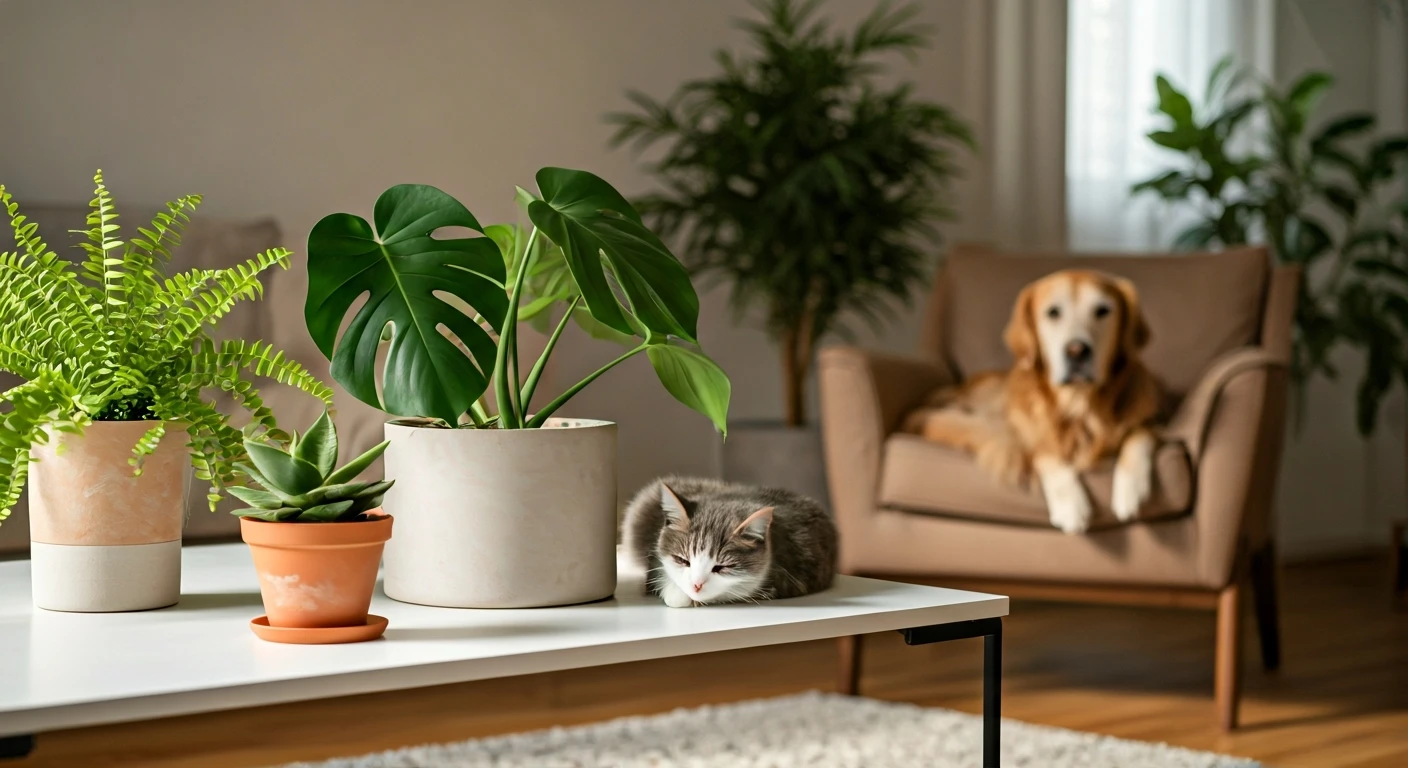
For a lush, classic look, the Boston Fern (Nephrolepis exaltata) is an excellent addition. Its feathery fronds create a soft, verdant texture that can make any space feel like a tranquil retreat. Ferns thrive in humid environments with indirect sunlight, making them perfect for bathrooms or kitchens. They are completely safe for cats and dogs. Just be sure you're getting a true fern; some plants with “fern” in their name, like the Asparagus Fern, are actually toxic.
Toxic to Avoid: Lilies
This one cannot be stressed enough, especially for cat owners. While many plants are mildly toxic, all parts of plants in the Lilium (true lily) and Hemerocallis (daylily) genera are extremely poisonous to cats. Ingesting even a tiny amount—a leaf, a petal, or even pollen from their fur—can lead to rapid and irreversible kidney failure. This includes popular varieties like Easter lilies, stargazer lilies, and tiger lilies. Due to the severe risk, it's safest for cat owners to banish these flowers from their homes and gardens entirely.
Toxic to Avoid: Pothos and Philodendron
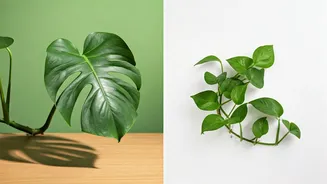
These two are everywhere. Golden Pothos and Heartleaf Philodendrons are beloved for their trailing vines and near-indestructible nature. Unfortunately, they contain insoluble calcium oxalate crystals. When a pet chews on a leaf, these microscopic, needle-like crystals embed in their mouth and throat, causing intense pain, irritation, drooling, and swelling. While rarely fatal, the experience is extremely unpleasant for your pet and can cause vomiting and difficulty swallowing. If you must have them, keep them hanging far out of reach.
Toxic to Avoid: The Sago Palm
The Sago Palm (Cycas revoluta) is a popular and stylish houseplant that looks like a miniature palm tree. However, it is one of the most dangerous plants for pets. Every part of the plant is toxic, but the seeds (or “nuts”) contain the highest concentration of the poison cycasin. Ingesting this plant can cause severe vomiting, bloody stool, and, most devastatingly, liver failure. The mortality rate for dogs who ingest sago palm is tragically high. Given the severity, this is a plant that pet owners should never bring into their homes.