




1. Test Your Wiper Blades
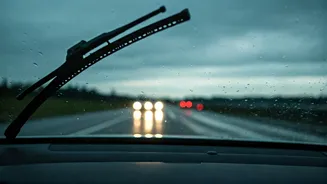
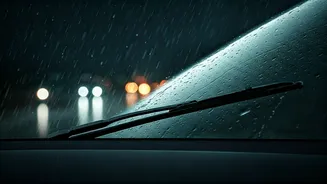
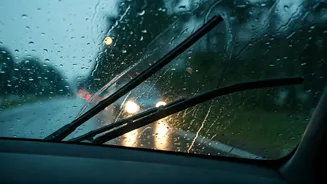
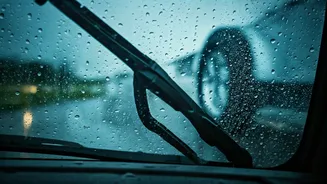
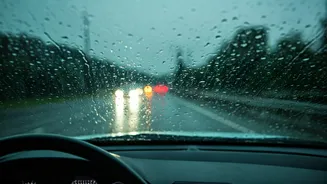
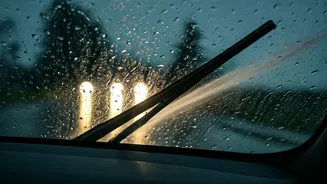
This is the most obvious, yet often overlooked, component for wet-weather driving. Don't wait for a torrential downpour to discover your wipers are shot. A good test is to use your washer fluid on a clear day. Do the blades glide smoothly and clear the water
in a single swipe? Or do they skip, squeak, or leave behind streaks and milky smears? If you see any of that, it's time for a replacement. The rubber on wiper blades degrades over time due to sun exposure and temperature changes, even if they aren't used often. Most experts recommend replacing them every 6 to 12 months. It's an inexpensive fix that dramatically improves your forward visibility, which is your first line of defense in the rain.
2. Inspect Your Tires for Tread and Pressure
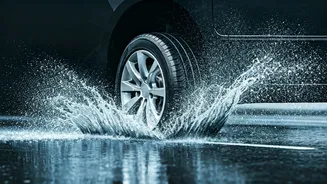
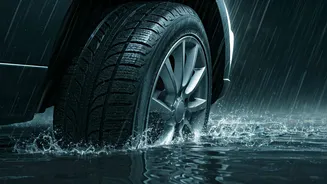
Your tires are the only part of your car that actually touches the road. In wet conditions, their ability to channel water away is critical to preventing hydroplaning—a dangerous situation where your tires lose contact with the road surface. First, check your tread depth. An easy way is the classic penny test: insert a penny into your tire’s tread with Lincoln's head upside down. If you can see the top of Abe’s head, your tread is worn and the tires likely need replacing. Next, check your tire pressure. Under-inflated tires can't grip the road effectively and are more prone to hydroplaning. Your car's recommended tire pressure (PSI) is listed on a sticker inside the driver's side door jamb, not on the tire itself. Check it when the tires are cold for an accurate reading.
3. Check All Exterior Lights
In a heavy rainstorm, visibility drops for everyone. Your lights aren't just for helping you see; they're essential for helping other drivers see you. Walk around your car and check every light: headlights (both low and high beams), taillights, brake lights, and turn signals. Have a friend or family member help you check the brake lights while you press the pedal. A single burnt-out bulb can make it difficult for drivers behind you to judge your speed or know when you're stopping or turning. Also, take a moment to wipe down the plastic covers on your headlights. If they're hazy or yellowed, consider using a headlight restoration kit to improve their brightness and clarity.
4. Listen to Your Brakes
Wet roads significantly increase your car's stopping distance. This is no time to be second-guessing your brakes. While a full brake inspection is best left to a professional, you can be on the lookout for warning signs. Do you hear a high-pitched squealing when you apply the brakes? That’s often the sound of the wear indicator, a small metal tab designed to tell you the brake pads are getting thin. Do you hear a grinding or growling noise? That’s a more serious sign that the pads may be completely worn away, potentially damaging other brake components. If your car pulls to one side when braking or the pedal feels soft and spongy, get it inspected immediately.
5. Maximize Your Windshield's Clarity
Your ability to see out is just as important as your ability to be seen. A common problem in humid, rainy weather is interior fogging. Before you're in a rush, test your car's defroster system on both hot and cool settings to ensure it’s blowing air effectively onto the windshield. Make sure your A/C is working, as it's a key component in dehumidifying the cabin air. Finally, give your windshield a thorough cleaning on the inside and outside. Interior grime and film from vinyl off-gassing can catch light and cause glare, which is made worse by rain and oncoming headlights. A clean, clear view is a safe view.