


An Ancient Grain’s Modern Moment
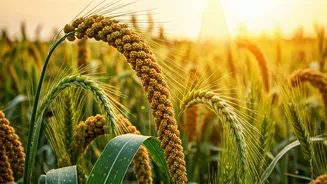
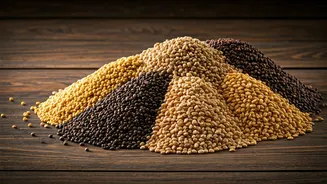
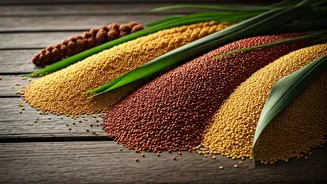
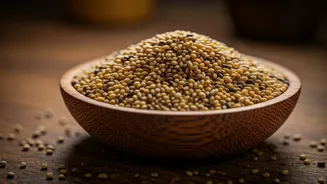
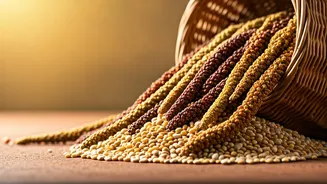
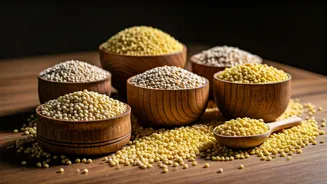
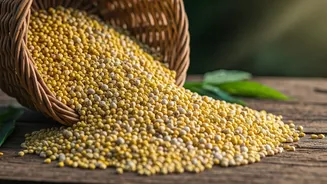
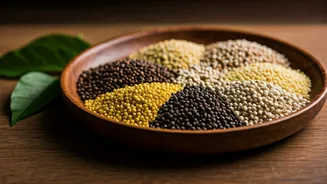
If you’re picturing birdseed, it’s time for an update. Millet isn't one single grain but a family of small-seeded grasses that have been a staple food for civilizations across Africa and Asia for over 7,000 years. Varieties like pearl, foxtail, proso,
and sorghum have sustained populations long before wheat and rice became globally dominant. For centuries, they were valued for their resilience and versatility, forming the base of everything from hearty porridges and flatbreads to fermented beverages. They are naturally gluten-free and pack a nutritional punch with high levels of protein, fiber, and essential minerals like magnesium and iron. After fading into relative obscurity in the West, these powerhouse grains are experiencing a major resurgence, driven by a collective desire for more nutritious, sustainable, and interesting food.
The Ultimate Climate-Smart Crop
The term 'grounded' isn't just about flavor; it's about a deep connection to the earth. This is where millets truly shine. In an era of climate anxiety and concerns over water scarcity, millets are an agricultural dream. Many varieties are exceptionally drought-tolerant, capable of thriving in arid conditions with minimal water—a stark contrast to thirsty crops like rice or corn. They can grow in poor soil without heavy reliance on chemical fertilizers, making them a low-input, high-output hero for farmers. This incredible hardiness is why the United Nations designated 2023 as the International Year of Millets, aiming to raise awareness of their role in tackling food security and promoting sustainable agriculture. By choosing millets, we’re not just picking a grain; we’re supporting a farming system that is inherently more resilient and kinder to the planet.
The Perfect Partner for Every Season
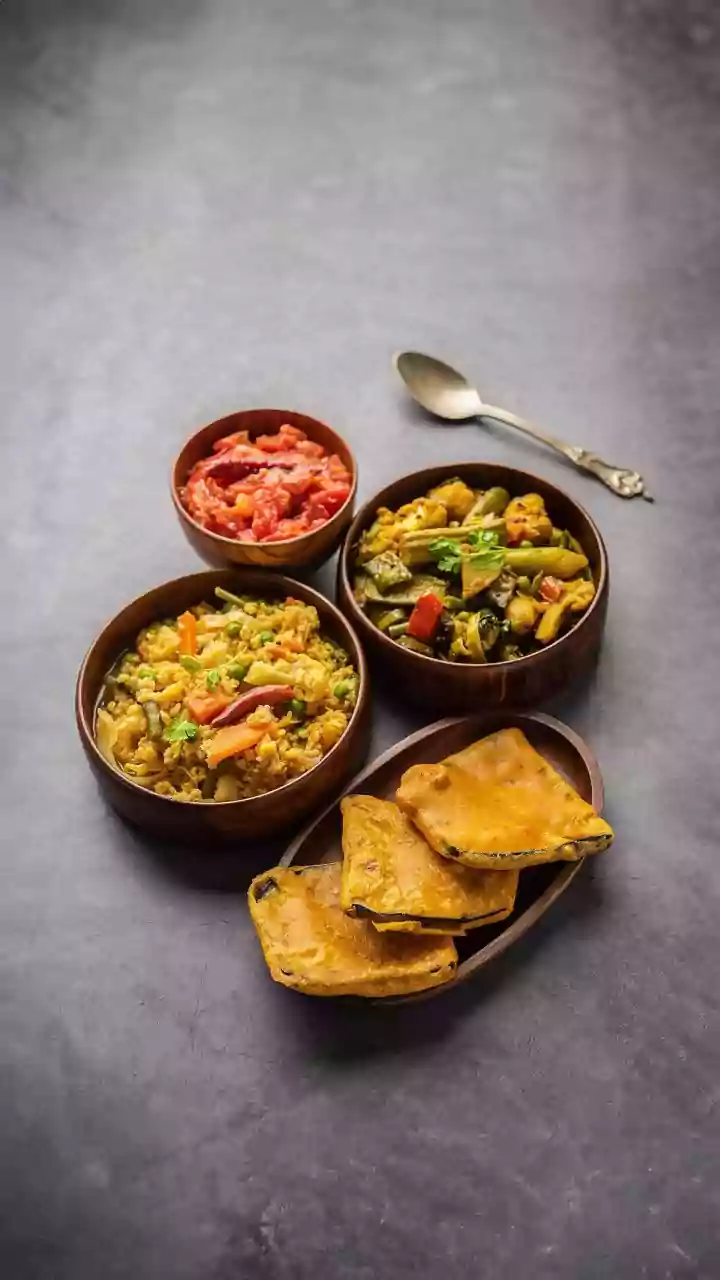
This is where millets connect beautifully with the seasonal dining movement. Their mild, slightly nutty flavor and adaptable texture make them a perfect canvas for whatever the season offers. Unlike some grains with overpowering tastes, millet complements rather than competes. In the spring, a light, fluffy millet pilaf can be tossed with fresh peas, asparagus, and mint. Come summer, cooked and chilled millet makes a fantastic base for a robust salad with grilled zucchini, cherry tomatoes, and feta. As autumn arrives, it transforms into a creamy, risotto-like dish when stirred with roasted butternut squash, sage, and mushrooms. And in the dead of winter, a warm bowl of millet porridge with cinnamon, apples, and walnuts provides comforting, grounding nourishment. They are the constant, reliable base that allows the fleeting stars of the season to shine.
Beyond the Health Food Aisle
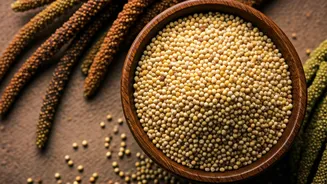
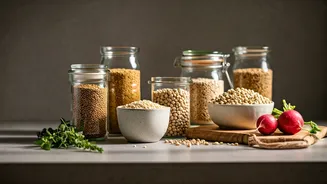
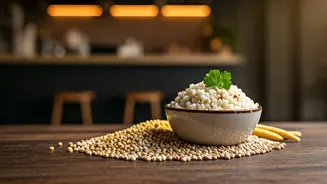
Once relegated to dusty shelves in health food stores, millets are now appearing on the menus of forward-thinking restaurants. Chefs are drawn to their textural possibilities—they can be creamy, fluffy, or even crispy when toasted or popped like corn. You might find them as a bed for a savory stew, formed into savory cakes, or even used in desserts. This culinary creativity is making millets more accessible and appealing to the average diner. For the home cook, incorporating them is simple. You can use millet as a one-for-one substitute for quinoa or couscous. Cook a larger batch at the beginning of the week to add to salads, grain bowls, or soups. Toasting the grains in a dry pan before cooking enhances their nutty flavor. It's a simple step that elevates them from a mere health food to a delicious, indispensable part of your pantry.