





An Escape From The Grind
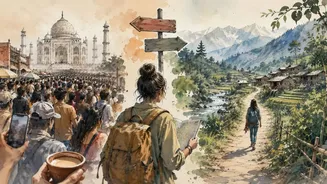
For millions of young professionals in India's booming megacities like Mumbai, Delhi, and Bangalore, life is a high-stakes, high-stress marathon. The relentless pace, crowded commutes, and perpetual noise have created a deep-seated craving for its opposite:
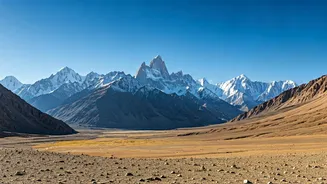
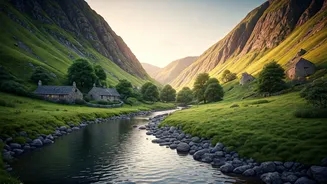
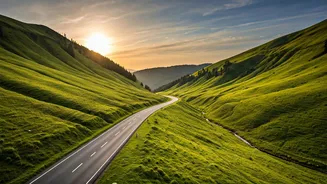
silence, space, and simplicity. This isn't just about taking a vacation; it's about psychological survival. The traditional family holiday, often a packed itinerary of temples and tourist traps, is losing its appeal for a generation that values wellness and personal time. Instead, they are seeking genuine disconnection. They’re looking for places where the loudest sound is birdsong and the day’s main event is watching the sunset from a hammock. This desire for decompression is the primary engine driving them away from the cities and into the hills, forests, and coastal villages.
The Rise of the 'Aesthetic' Getaway
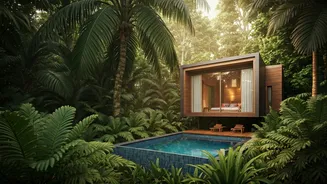
This movement isn't purely rustic; it's curated, and social media is its lookbook. Instagram feeds that were once filled with European backpacking trips are now showcasing A-frame cabins in the Himalayas, eco-huts in the Western Ghats, and minimalist farm stays in Goa's hinterlands. The global aesthetics of 'hygge' and 'cabin porn' have been enthusiastically adopted and localized. These stays are designed to be photogenic, featuring large windows, natural materials, and earthy color palettes. But it's more than just a photo op. For many, designing and sharing images of these serene spaces is a way of manifesting a calmer, more intentional lifestyle. This visual culture has created a powerful feedback loop: the more people post about these stunning, off-grid locations, the more others are inspired to seek them out, fueling demand for a new category of hospitality that is small-scale, stylish, and deeply connected to its environment.
Work, Stay, and Play
The COVID-19 pandemic acted as a massive accelerant for this trend. As remote work became the norm for India's vast tech and creative workforce, the line between living and vacationing blurred. Suddenly, the office could be anywhere with a decent Wi-Fi signal. Young professionals seized the opportunity, ditching expensive city apartments for long-term 'workations.' A month working from a cottage in the tea plantations of Munnar or a beachside villa in Gokarna became not only possible but desirable. This has fundamentally changed the business model for many small property owners, who now cater to a clientele staying for weeks or months, not just a weekend. It represents a larger shift from travel as a brief escape to travel as a flexible, integrated part of life.
Authenticity Over Everything
At the heart of this trend is a search for authenticity. Unlike the standardized experience of a global hotel chain, these cozy stays offer a deep-dive into local culture. They are often family-run homestays or small-scale ventures by city-dwellers-turned-entrepreneurs who have a passion for sustainable living. The experience is personal. Guests share meals made from locally sourced ingredients, learn about regional traditions, and get recommendations for hidden trails or waterfalls from their hosts. This 'experiential travel' is a direct rejection of mass-market tourism. It’s about connection—to nature, to local communities, and ultimately, to a slower and more mindful version of oneself. This model, often referred to as agri-tourism or rural tourism, provides a vital economic boost to local communities, creating a more sustainable and equitable form of travel.