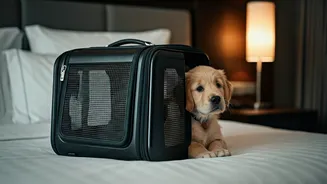







The New Non-Negotiable
For a growing number of Americans, the question is no longer *if* they can bring their pet on vacation, but *how* welcome their pet will be when they arrive. According to the American Pet Products Association (APPA), nearly 40% of pet owners now travel
with their animals, a figure that has steadily climbed. This isn't just about a weekend road trip to a cabin. It includes cross-country flights, extended stays, and trips to major tourist destinations. What was once a small, quirky segment of the travel market has become a powerful economic force. Hotels, airlines, and rental companies that fail to recognize this aren't just missing out on a 'cute extra'—they're ignoring a fundamental demand from a massive and motivated demographic.
It’s About Family, Not Just Fur
The core driver behind this trend is the 'humanization' of pets. For millions, especially among Millennials and Gen Z, pets are not just animals; they are integral members of the family. They are 'fur babies' or 'starter children,' companions whose well-being is a top priority. The thought of leaving them in a kennel or with a sitter for a week is a source of anxiety and guilt, diminishing the very relaxation a vacation is supposed to provide. The pandemic poured fuel on this fire. A surge in pet adoptions combined with the rise of remote and flexible work created a perfect storm: more people had pets, and more people had the freedom to take them along, blurring the lines between home, work, and travel.
Beyond a Water Bowl in the Lobby
The industry's response shows just how serious this shift is. True 'pet-friendly' status today goes far beyond simply allowing an animal on the premises for a fee. Leading hospitality brands are rolling out the red carpet with dedicated pet amenities that rival those for human guests. We're seeing hotels offer custom pet beds, gourmet room-service menus for dogs, curated maps of local dog parks, and even 'yappy hour' events with canine-friendly cocktails. Some luxury properties employ a 'Director of Pet Relations' or offer pet-sitting and dog-walking services. These offerings aren't just marketing gimmicks; they are calculated investments to capture a loyal and high-spending customer base. A simple 'pets allowed' policy is no longer enough to compete.
The Billion-Dollar Bark
Ultimately, this trend is powered by simple economics. The U.S. pet industry is a behemoth, with Americans spending over $140 billion on their pets in 2023 alone, according to the APPA. A significant slice of that pie is travel-related. Pet owners have demonstrated a clear willingness to pay more for accommodations that cater to their animals. Pet fees, which can range from $25 to over $100 per night, represent a substantial revenue stream for hotels. Furthermore, pet-friendly policies are a powerful tool for differentiation and loyalty. A traveler who has a wonderful experience with their dog at a hotel chain is highly likely to book with that same chain for future trips. In a competitive market, ignoring a customer segment that is this large, this passionate, and this willing to spend is simply bad business.