





Secure Your Home and Yard
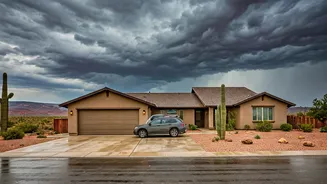
Your first line of defense begins before the first drop of rain falls. Take an afternoon to walk your property with a critical eye. High winds can turn everyday yard items into dangerous projectiles. Secure patio furniture, trampolines, grills, and potted
plants. It's also crucial to trim any dead or overhanging tree branches that could snap and damage your home, vehicle, or power lines. Clogged gutters and downspouts are a primary cause of water damage during intense downpours. Clear them of leaves and debris so rainwater can flow freely away from your foundation. Check for cracks in your roof seals and around windows and doors to prevent leaks that can cause costly damage.
Assemble a Monsoon Emergency Kit
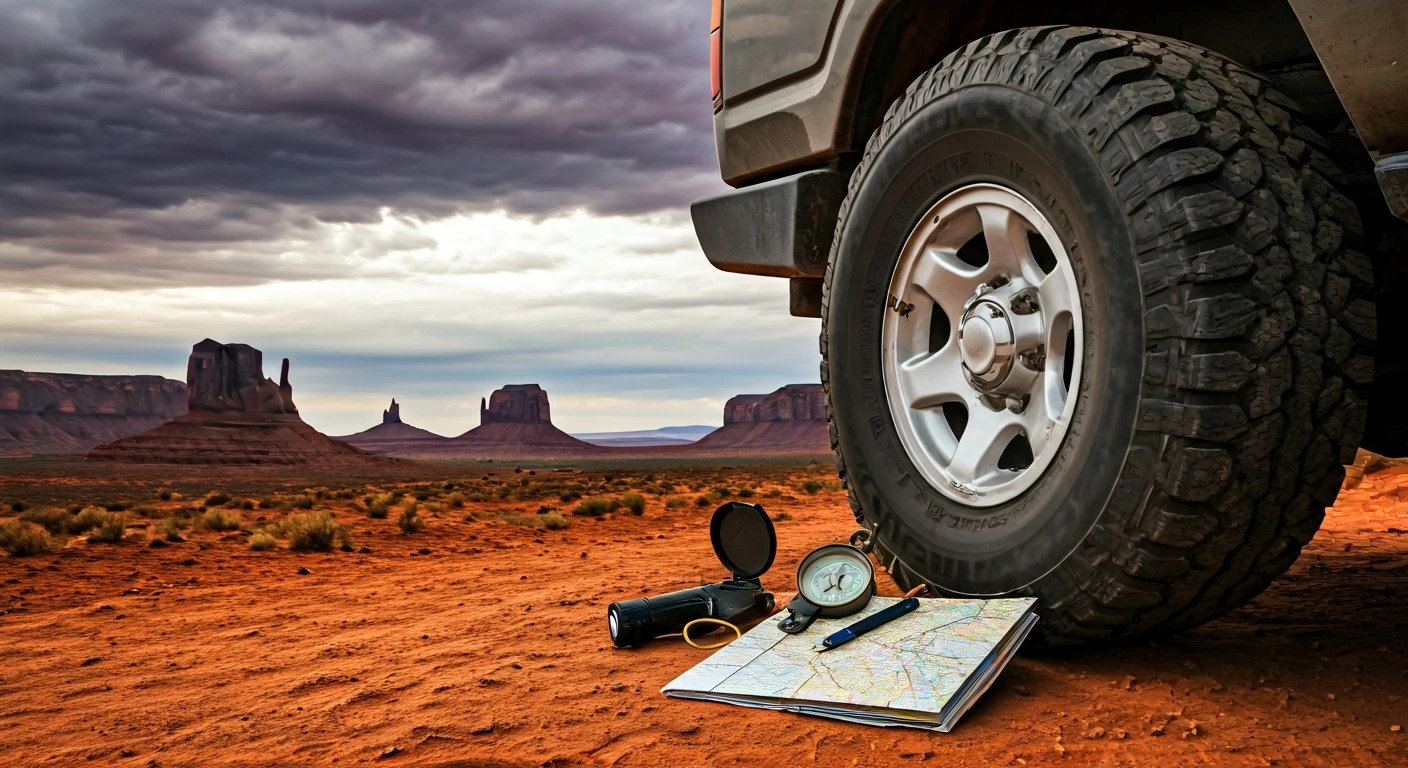
Power outages are common during monsoon storms, so having a well-stocked emergency kit is not just a suggestion—it's a necessity. You don't need a disaster prepper's bunker, just a few essentials in an easily accessible spot. Your kit should include: multiple flashlights or headlamps with extra batteries, a battery-powered or hand-crank weather radio, a complete first-aid kit, and a portable charger for your cell phone. Also, set aside at least one gallon of water per person per day for several days, along with a supply of non-perishable food that requires no cooking. Don't forget any necessary medications, and if you have infants or pets, pack their specific supplies as well.
Master Monsoon Driving
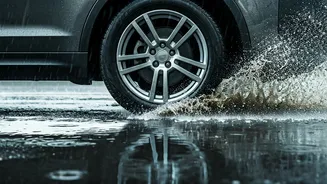
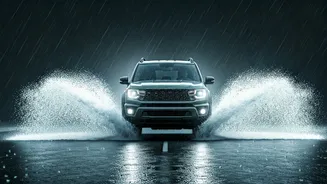
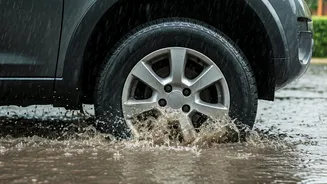
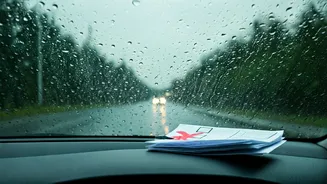
Roads are one of the most dangerous places to be during a monsoon event. Before the season starts, ensure your vehicle is ready: check your tire tread for good grip on wet pavement and replace worn-out windshield wipers. Once a storm hits, slow down significantly to avoid hydroplaning. If you're caught in a dust storm, known as a haboob, follow the Arizona Department of Transportation’s “Pull Aside, Stay Alive” protocol: pull your vehicle as far off the road as possible, turn off all your lights (so others don't follow you off-road), set the emergency brake, and keep your foot off the brake pedal. Wait until the storm passes before attempting to drive again.
Respect the Power of Flash Floods
The single most important rule of monsoon season is “Turn Around, Don’t Drown.” It’s a message promoted by the National Weather Service for a reason: more than half of all flash flood fatalities are vehicle-related. It takes just six inches of moving water to knock over an adult and only twelve inches to sweep away a small car. A dry wash or a low-lying street can become a raging torrent in minutes. Never attempt to drive through a flooded roadway, even if it looks shallow. The road underneath could be washed out, and the water is always deeper and more powerful than it appears. The safest and smartest choice is always to find an alternate route.
Stay Safe From Lightning
The Southwest’s monsoon storms produce spectacular and frequent lightning. Follow the simple rule: “When thunder roars, go indoors.” A sturdy, enclosed building is the safest place to be. A hard-topped vehicle with the windows rolled up also offers good protection, not because of the rubber tires, but because the metal frame directs the electrical charge around the occupants to the ground. If you are caught outside with no shelter, avoid being the tallest object in an open field and stay away from isolated trees, poles, or other tall structures. Crouch down in a ball-like position with your head tucked and your hands over your ears, but do not lie flat on the ground.
Don't Forget Your Pets
Intense thunder, wind, and rain can be terrifying for animals. As a storm approaches, bring all pets inside. Create a safe, comfortable space for them in an interior room, away from windows. Playing soft music or using a white noise machine can help muffle the sound of the storm. Ensure your pets are wearing collars with up-to-date identification and are microchipped, just in case they get spooked and run off. A panicked animal can easily slip out an open door, and proper ID is the best way to ensure a happy reunion.