




Beyond the Bucket List
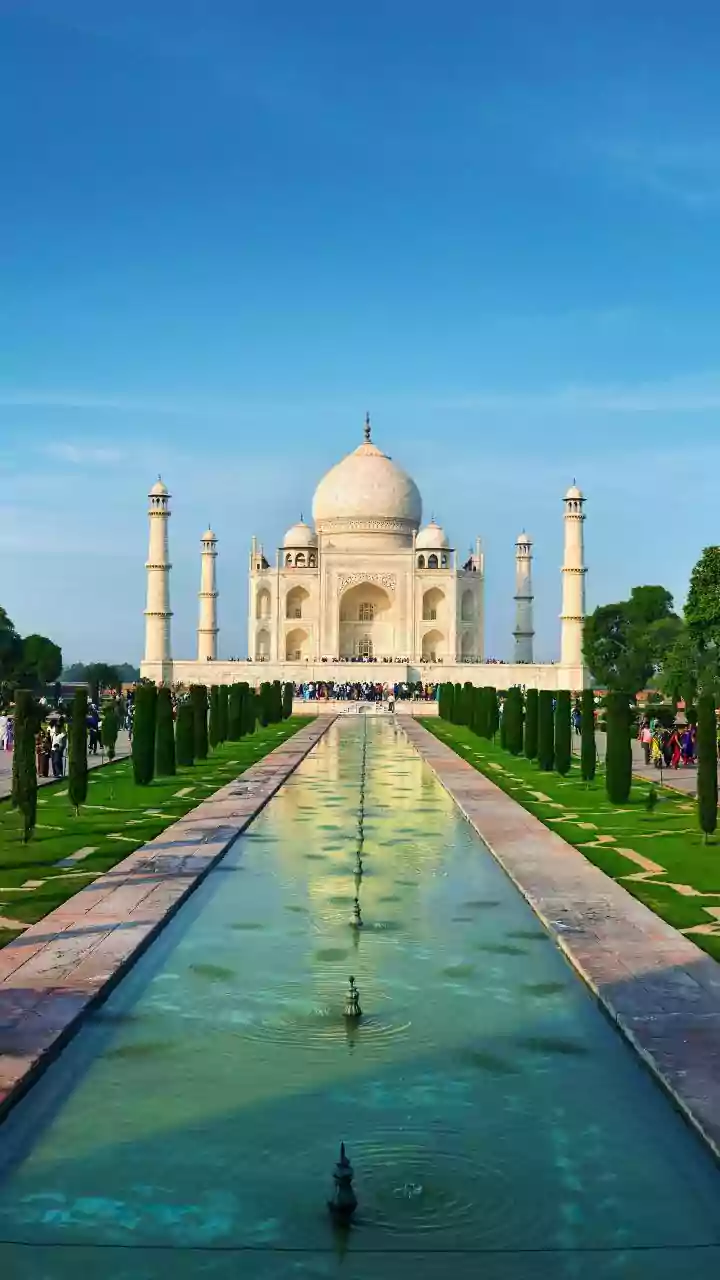
For decades, the aspirational Indian holiday often meant a standardized package tour, whether a bus trip through Europe or a domestic circuit hitting the “Golden Triangle” of Delhi, Agra, and Jaipur. The goal was to see as much as possible, collect photos
of famous landmarks, and return with bragging rights. But a quiet revolution is underway, driven by a growing class of travelers who are asking different questions. Instead of “How much can I see?” they’re asking, “What will this trip mean to me?” This new trend is less about the destination and more about the intention. It’s about crafting experiences that resonate on a personal, emotional, or spiritual level. It’s the difference between a crowded tour of a spice plantation and a private cooking class in a local Goan family’s kitchen. It’s swapping a generic hotel for a stay in a restored ancestral home. This isn’t just experiential travel; it’s existential travel, where the journey itself is a form of self-exploration.
The Post-Pandemic Catalyst
Like many global shifts, this one was accelerated by the pandemic. The lockdowns and travel restrictions forced a period of introspection. People reassessed their priorities, focusing more on well-being, family connections, and meaningful experiences over material consumption. For many in India’s expanding middle and upper-middle classes, this coincided with increased disposable income and a desire to spend it more thoughtfully.
Travel, when it returned, was no longer just about escape. It became a tool for reconnection—with family, with nature, and with oneself. The frantic energy of pre-pandemic “revenge travel” has now matured into a more deliberate, slower-paced approach. Travelers are seeking out serene, less-crowded destinations and prioritizing trips that promise restoration and personal growth over mere sightseeing. This shift has created a fertile ground for a travel style that is slower, more immersive, and deeply customized.
Journeys of Identity and Healing
So, what does this “deeply personal” travel look like on the ground? The forms are as diverse as the individuals themselves. One of the most fascinating micro-trends is “genealogy tourism,” where people travel to their ancestral villages, often for the first time, to trace their roots, meet distant relatives, and walk the lands their grandparents left behind. These trips are powerful emotional pilgrimages that connect modern, urban Indians with their family history.
Others are embarking on spiritual and wellness quests that go far beyond a typical yoga retreat. They seek out authentic Ayurvedic treatments in Kerala, study meditation at secluded Himalayan ashrams, or explore the philosophical roots of traditions they grew up with. Food has also become a central pillar, with travelers designing entire trips around exploring the hyper-regional cuisines of a specific state, learning heirloom recipes from local matriarchs, or tracing the culinary history of a particular community.
The Rise of the Travel Curator
This demand for personalization has upended the traditional travel industry. The one-size-fits-all package from a large tour operator is being replaced by the bespoke itinerary crafted by a new breed of “travel curators.” These are often small, boutique agencies or even solo consultants who act more like personal travel designers than booking agents. They engage in deep consultations with clients to understand their interests, life stories, and travel goals.
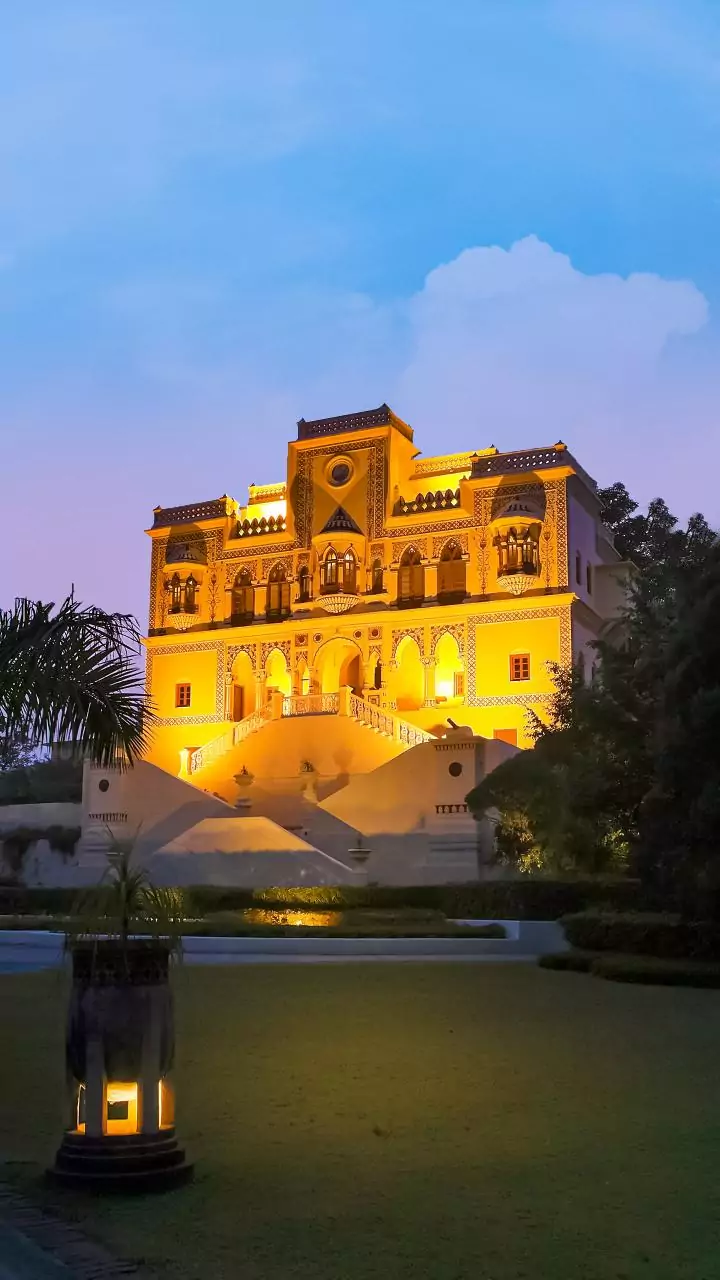
Using their on-the-ground knowledge, they build unique itineraries from scratch. Want to explore the textile traditions of Gujarat? They can arrange workshops with master weavers. Fascinated by colonial-era architecture? They’ll create a route through lesser-known hill stations with stays in historic properties. This level of customization, once the exclusive domain of the ultra-wealthy, is becoming more accessible, enabled by technology and a network of specialized local providers who can deliver authentic, hard-to-find experiences.