



The Flavor-Fatigue Cycle
When you embark on a health journey, it’s easy to fall into the trap of a purely functional approach to food. You focus on macros, calories, and nutrients, while taste gets pushed to the bottom of the priority list. For a week or two, willpower can carry
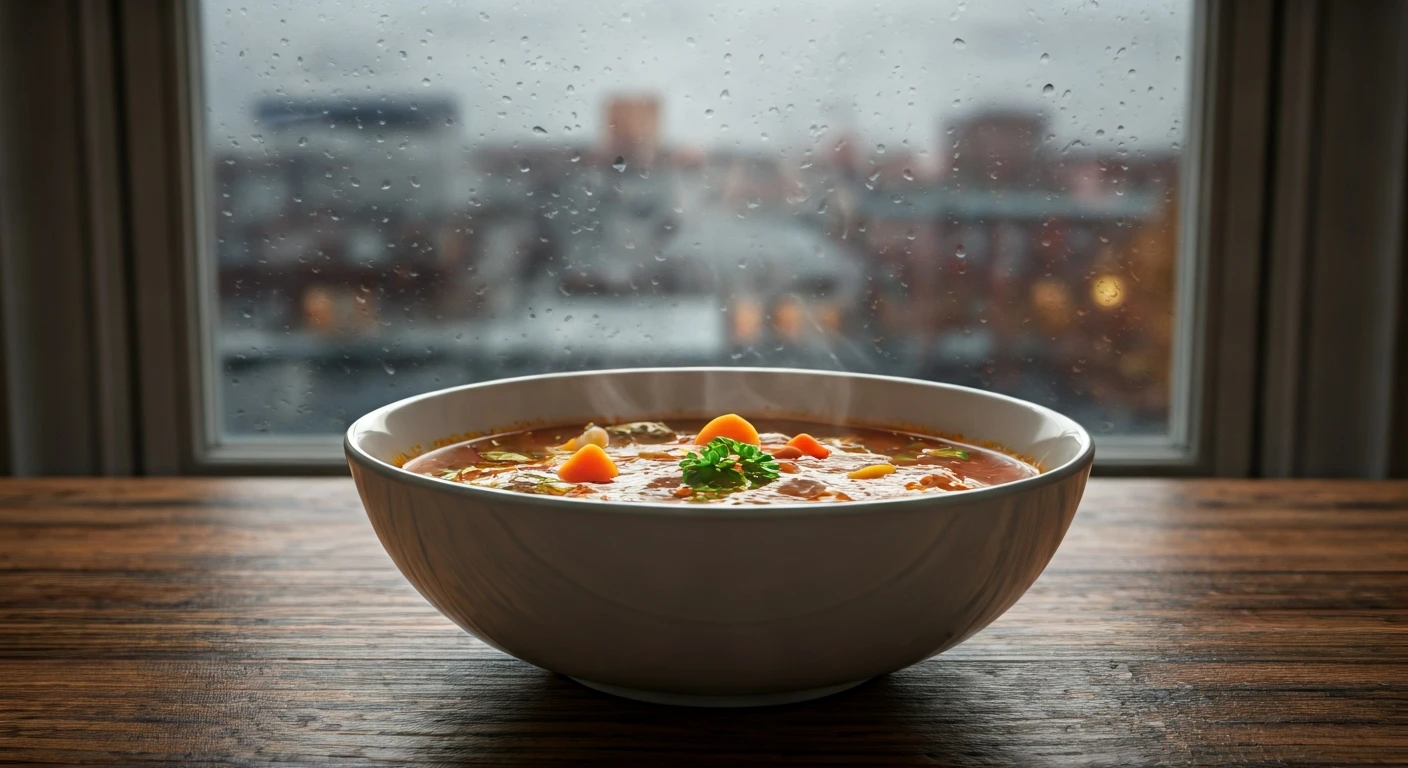
you through meals of boiled vegetables and plain quinoa. But soon, something called “flavor fatigue” sets in. This isn’t a made-up phenomenon; it’s a psychological reality. Our brains are wired to seek pleasure and satisfaction from food. When meals become a monotonous chore of bland, joyless fuel, your mind rebels. Cravings for rich, flavorful, and often less-nutritious foods intensify not just because you miss them, but as a direct response to the sensory deprivation you’ve imposed on yourself. This cycle often ends in a binge, followed by guilt, and the eventual abandonment of the “healthy” plan altogether. It’s not a failure of willpower—it’s a failure of strategy. Ignoring taste creates an unsustainable system destined to collapse.
Redefining Healthy: From Restriction to Satisfaction
The key to breaking this cycle is to fundamentally redefine what “healthy eating” means. A truly healthy diet isn’t just one that nourishes your body with vitamins and minerals; it’s one that nourishes your soul with pleasure and satisfaction. When a meal is delicious, it sends signals of satiety to your brain that go beyond just feeling “full.” You feel content, happy, and gratified. This emotional and psychological satisfaction is a powerful tool in preventing overeating and managing cravings.
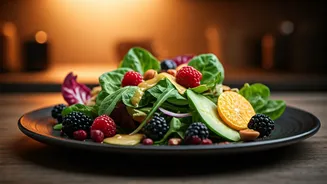
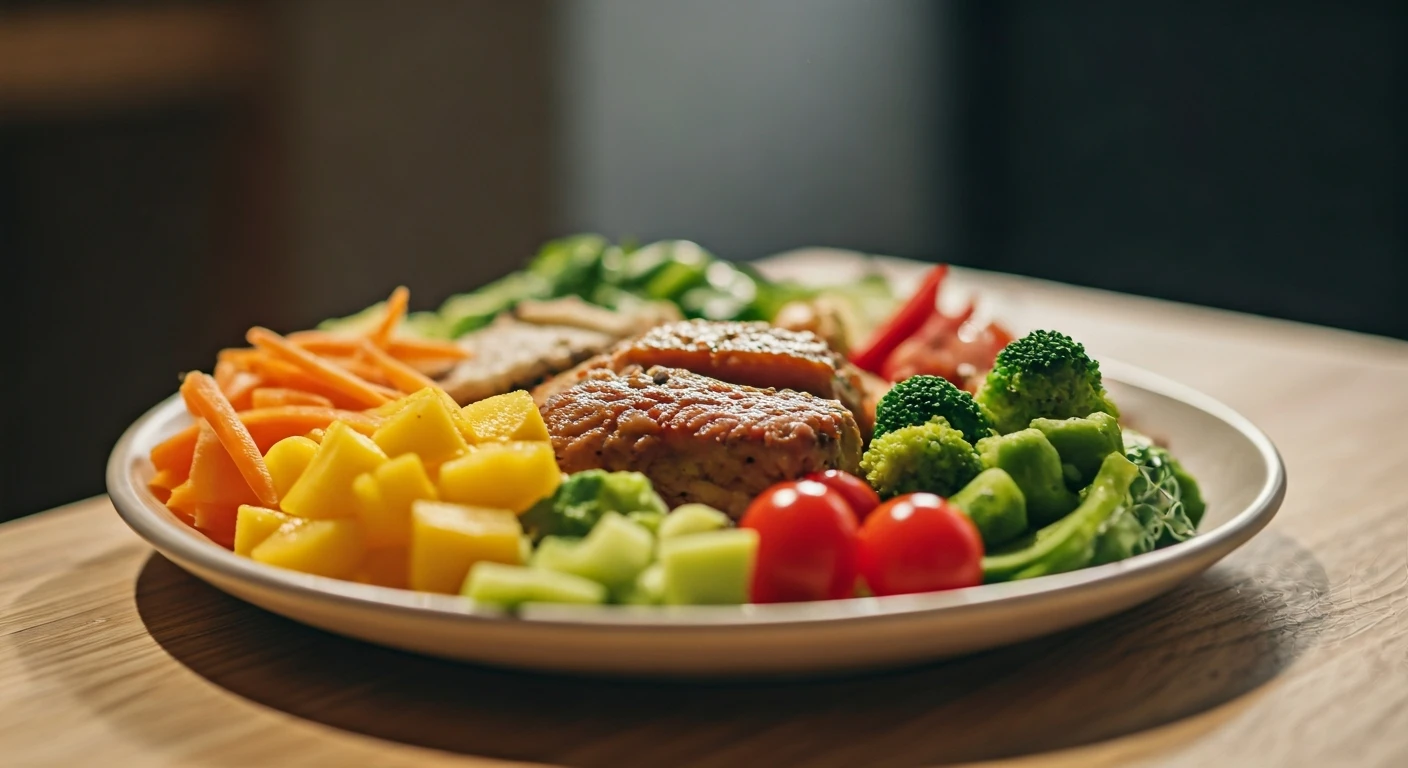
Think about the difference between eating a boring salad that leaves you wanting more and a vibrant, flavorful one packed with roasted vegetables, a tangy vinaigrette, and crunchy nuts. Both might have similar calorie counts, but only one leaves you feeling genuinely happy with your choice. By making deliciousness a non-negotiable part of your meal planning, you transform eating well from an act of deprivation into an act of self-care. This positive association is crucial for building habits that you can stick with not for a week, but for a lifetime.
The Flavor Playbook
So how do you make healthy food taste incredible? It’s not about adding sugar or drenching everything in butter. It’s about mastering the art and science of flavor. Start by building your culinary toolkit:
* **Herbs and Spices:** This is the most obvious but often underutilized weapon. A sprinkle of smoked paprika can make chicken breast taste grilled. A handful of fresh cilantro or basil can transform a simple bowl of grains. Don’t just stick to salt and pepper; explore cumin, coriander, turmeric, and chili powder.
* **Embrace Acidity:** A squeeze of lemon or lime, or a splash of vinegar (balsamic, apple cider, red wine) at the end of cooking can brighten and amplify all the other flavors in a dish, making it taste more complex and less flat.
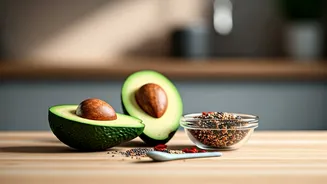
* **Use Healthy Fats for Flavor:** Fat is not the enemy. Olive oil, avocado, nuts, and seeds not only provide essential nutrients but also add a luxurious texture and mouthfeel that contributes to satisfaction. Roasting vegetables with a touch of olive oil, for example, is far more delicious than steaming them.
* **Master Your Cooking Techniques:** The way you cook matters. Roasting and caramelizing vegetables brings out their natural sweetness. Grilling adds a smoky char that is impossible to replicate in a microwave. Learning these simple techniques is more important than any single “superfood.”
Making Room for Joyful Eating
Finally, remember that a healthy relationship with food includes flexibility. No single food will make or break your health. Obsessing over “clean” eating 100% of the time can be just as damaging as the flavor-fatigue cycle. The most successful and mentally balanced approach often involves an 80/20 mindset: 80% of the time, you focus on nutrient-dense, flavorful foods. The other 20%? You eat the pizza, the ice cream, or the birthday cake without a shred of guilt.
Giving yourself permission to enjoy these foods intentionally, as part of a balanced life, removes their power. They are no longer forbidden temptations you crave in moments of weakness, but simply another enjoyable part of your overall eating pattern. This balance is the final piece of the puzzle, ensuring that your pursuit of health doesn't come at the cost of your happiness.