


The New Ceremony
The sun sets over the rice paddies of Ubud, casting a golden glow on a large bamboo structure. Inside, there are no clinking cocktail glasses or shouted conversations. Instead, hundreds of people—many fresh from a vinyasa class or a day of clean eating—are
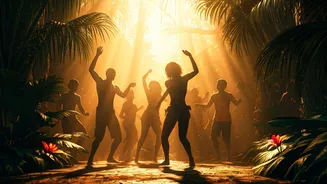
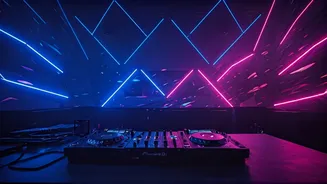
stretching on woven mats. Barefoot and dressed in loose, comfortable clothing, they are here for a different kind of ritual: ecstatic dance. As a DJ takes the stage, a hush falls over the crowd. There are no opening pleasantries, just a slow, ambient drone that gradually builds into a deep, hypnotic rhythm. This isn't a party in the traditional sense. It's a moving meditation. The rules are simple and spoken, if at all, only at the beginning: no talking, no phones, no alcohol, and no judgment. The goal is to lose yourself in the music and movement, to find a state of trance-like freedom through pure, uninhibited dance.
From 'Om' to 'Untz'
For decades, the path to mindfulness in wellness circles was paved with silence and stillness. But a growing contingent of seekers is discovering that catharsis can be loud. The rise of conscious clubbing and ecstatic dance represents a significant evolution in the wellness world, moving beyond passive reflection to active, physical release. Practitioners don't see it as a contradiction to their yoga and meditation routines; they see it as a powerful complement. While meditation quiets the conscious mind, a two-hour session of intense, free-form dancing allows for a different kind of release—an emotional and physical shedding of stress, anxiety, and inhibition stored in the body. It taps into something primal. Proponents describe the experience not as an escape, but as a profound way to 'get into' their bodies and process emotions that seated meditation can’t always reach. The heavy bass and repetitive beats aren't a distraction; they are the vehicle for a journey inward.
The Sober-Curious High
Crucially, this scene is almost entirely sober. Venues like The Pyramids of Chi or Akasha in Bali are famous for their high-vibrational elixirs, cacao ceremonies, and kombucha bars, not their cocktail menus. The movement is fueled by the sober-curious and health-conscious—people who want the communal energy of a dance floor without the hangover or the chemical additives. The 'high' is organic, generated by a potent cocktail of endorphins from physical exertion, oxytocin from the feeling of community, and the entrancing effect of the music itself. This makes it a perfect fit for the wellness tourist. You can dance with wild abandon until 10 p.m. and still be fresh for a 7 a.m. surf lesson. It removes the conflict between nightlife and a healthy lifestyle, offering a new model for social connection that aligns with values of clarity, presence, and well-being. It’s a rave culture that has been stripped of its hedonistic roots and repurposed for spiritual and personal growth.
Why Bali Is the Epicenter
It’s no accident this trend found its footing in Bali. The Indonesian island has long been a global magnet for spiritual seekers, digital nomads, and wellness pioneers. It's a place where Eastern philosophies and Western counter-culture have been cross-pollinating for years. This open-minded, experimental environment provides fertile ground for new practices to take root. The transient, international community is constantly searching for new ways to connect and grow. Ecstatic dance offers a universal language—movement—that transcends cultural and linguistic barriers. In a place where people from all over the world come to find themselves, a silent dance floor where everyone is invited to be their most authentic, uninhibited self feels like a natural extension of the island's ethos.