


The Backlash Against Beige
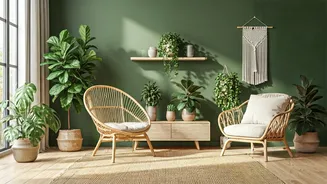
Walk into any number of modern, upscale homes around the world, and you might feel a sense of déjà vu. The same gray sofa, the same fiddle-leaf fig in the corner, the same abstract print that signifies taste without saying much at all. This is the aesthetic
of the global catalogue—efficient, clean, and profoundly impersonal. For a time, this look was aspirational in India, too, a symbol of modern, cosmopolitan living. But for a country with millennia of artistic traditions, colors, and textures woven into its very fabric, the sterile uniformity of catalogue design was never going to be a permanent fit. A growing number of Indian homeowners and designers are looking at their stark white walls and asking: Where is the story? Where is the soul? This fatigue with cookie-cutter interiors has sparked a powerful reclamation of identity, turning homes into canvases for personal and cultural expression.
Weaving a Story into the Walls
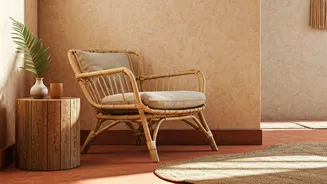
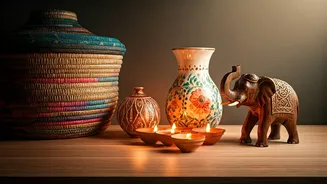
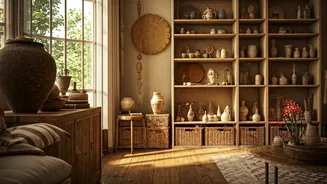
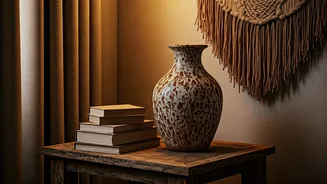
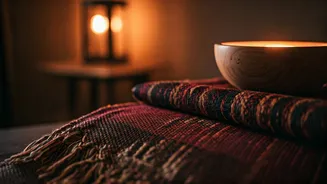
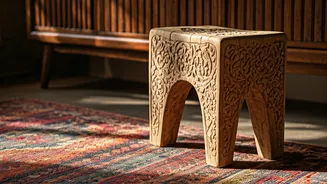
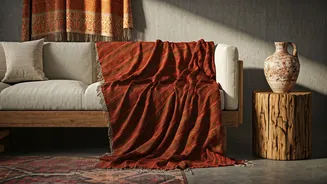
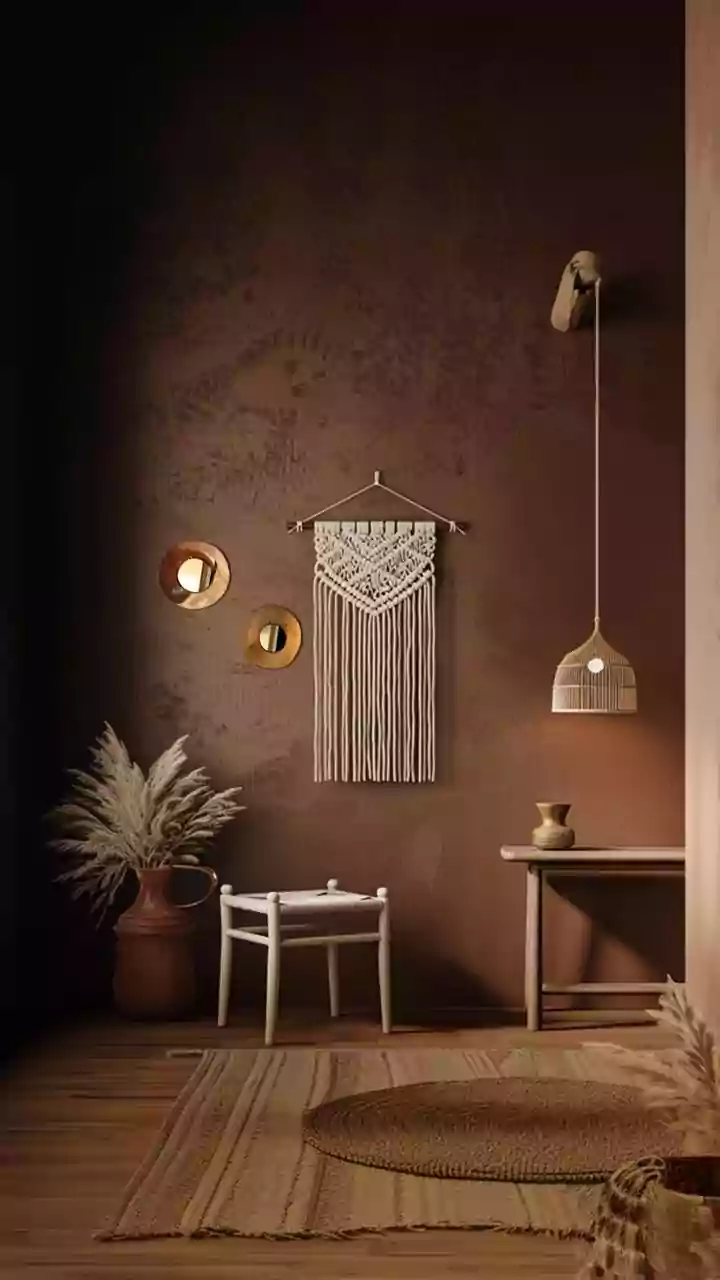
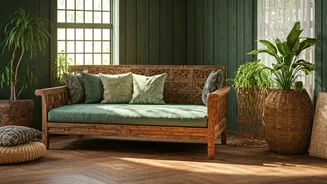
The antidote to sameness isn't chaos; it’s character. This new wave of Indian design is about thoughtfully incorporating elements that are rich with history and meaning. Think handcrafted textiles, where the soft imperfections of a block-printed tablecloth from Rajasthan or the intricate weave of an ikat cushion from Odisha tell a story of regional craft. Solid, dark woods like teak and rosewood are making a comeback, their weighty presence a grounding counterpoint to flimsy flat-pack furniture. Brass, with its warm, golden glow, is reappearing not just in traditional lamps (diyas) but in modern light fixtures, cabinet handles, and decorative bowls. The goal isn't to create a museum but to surround oneself with objects that have a lineage, whether it’s a family heirloom or a piece sourced directly from an artisan.
Not Your Grandmother’s Living Room
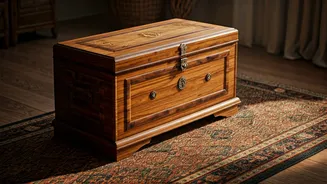
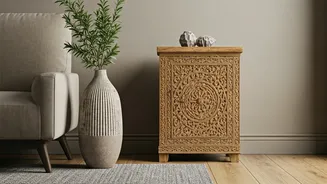
This movement is far from a nostalgic retreat into the past. It’s a sophisticated fusion of old and new. Designers are finding brilliant ways to decontextualize traditional elements for a contemporary audience. An ornate, antique haveli door might be mounted on a clean wall as a stunning piece of art. A traditional swing, or jhula, once found in the courtyards of ancestral homes, might be suspended in a modern, high-rise apartment living room, offering a whimsical focal point. The intricate patterns of Pichhwai or Madhubani folk art might be painted not on cloth, but directly onto a single statement wall or a minimalist cabinet. It’s about curation, not collection. The key is balance—pairing a richly carved wooden chest with a sleek, modern sofa, or setting a collection of rustic terracotta pots against a backdrop of smooth, polished concrete. This juxtaposition makes both the traditional and the modern elements feel more intentional and alive.
A Home That Knows Who You Are
Ultimately, this trend is about something deeper than aesthetics. It’s about identity. In a rapidly globalizing world, the home is becoming a sanctuary of self—a place that should reflect who you are and where you come from. Choosing a hand-painted tile over a mass-produced subway tile is a small act of resistance against homogenization. It’s a declaration that personal history matters more than passing trends. This approach turns decorating from a consumer activity into an act of storytelling. The home becomes a living album, where each object—a grandmother’s brass pot, a textile from a memorable trip, a piece of art by a local painter—holds a memory and reinforces a connection to one’s roots. It’s a move away from designing for an imaginary audience on Instagram and toward creating a space that genuinely nurtures and reflects the people who live within it.