


So, What Exactly Are Millets?
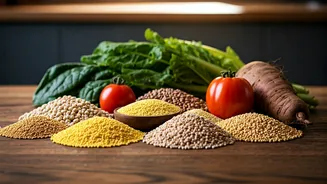
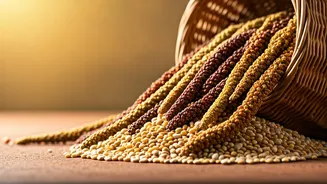
Before we dive in, let’s get on the same page. Millets aren't a single grain. Think of them as a diverse family of small-seeded grasses that have been cultivated for thousands of years. You might have seen some of their cousins in American health food
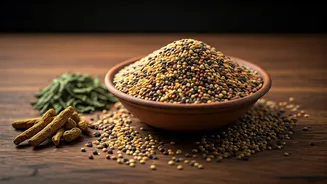
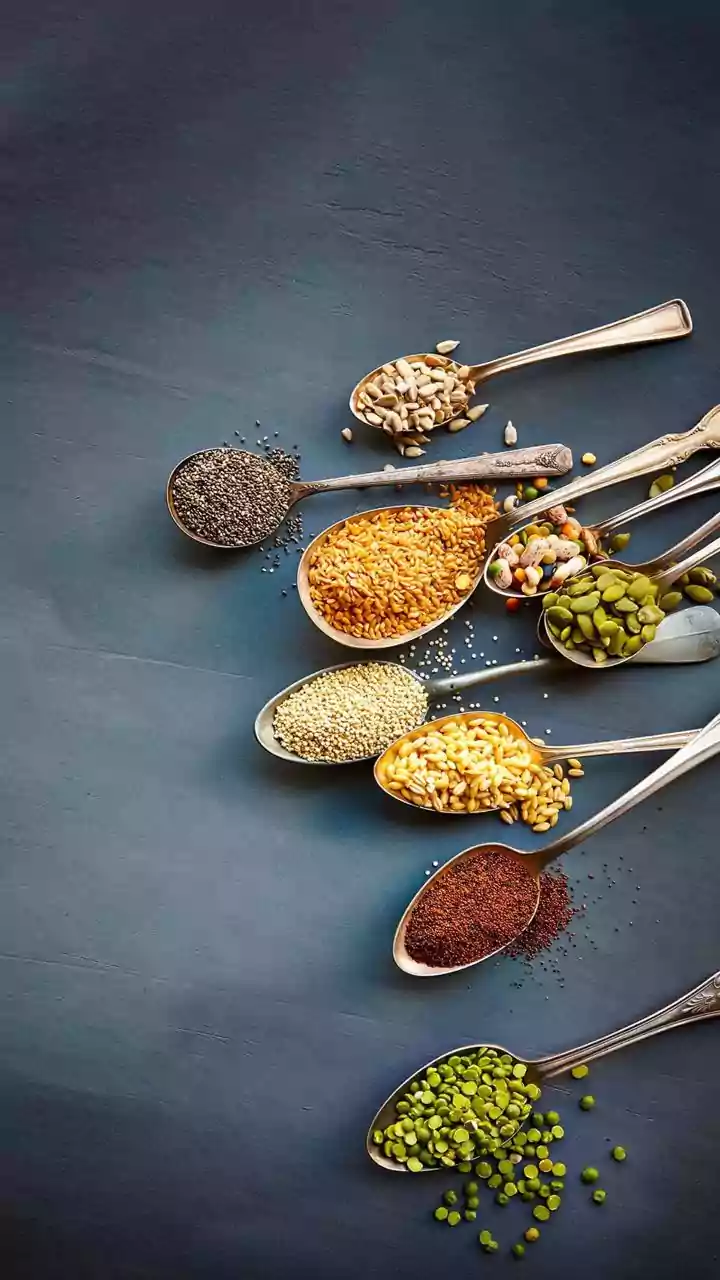
stores: sorghum, pearl millet, finger millet (ragi), and foxtail millet are all part of the club. If you’ve ever eaten birdseed, you’ve seen millet. But in human cuisine, they function much like quinoa or couscous, providing a hearty, gluten-free base that can be used in everything from porridge and flatbreads to salads and pilafs. They have a mild, slightly nutty flavor and are nutritional powerhouses, packed with fiber, protein, and essential minerals like iron and magnesium.
The Forgotten Food Staple
For centuries, millets were the bedrock of the Indian diet, especially in arid and semi-arid regions where other crops struggled. They were resilient, reliable, and deeply woven into local food cultures. So what happened? The Green Revolution of the 1960s. This agricultural push prioritized high-yield crops like wheat and rice to combat famine. Government policies, subsidies, and public distribution systems heavily favored these two grains. As a result, wheat and rice became symbols of prosperity and modernity, while millets were slowly relegated to the status of “coarse grains” or, more damningly, “poor people’s food.” Farmers switched to more profitable crops, and an entire generation of Indians grew up with little to no connection to the food that had sustained their ancestors.
The Great Comeback Tour
The millet revival wasn’t an accident; it was a carefully orchestrated campaign. It started with a growing awareness among nutritionists and environmentalists about the downsides of a wheat-and-rice-dominant diet. But the real momentum came when the Indian government, led by Prime Minister Narendra Modi, began championing millets as a core part of its national strategy for nutrition and agricultural security. This culminated in India successfully proposing that the United Nations declare 2023 the “International Year of Millets.” The initiative sparked a nationwide movement. Celebrity chefs put millet dishes on upscale menus, startups launched millet-based snacks and cereals, and public campaigns worked to rebrand the grains as smart, modern, and aspirational. Suddenly, millets were cool again.
A 'Climate-Smart' Superfood
Here’s the “useful” part of the comeback, and it’s what makes this more than just a food trend. Millets are what agricultural experts call “climate-smart.” They require significantly less water than rice—up to 70% less, by some estimates. They are naturally drought-resistant and can thrive in poor soil with minimal need for chemical fertilizers or pesticides. In a country like India facing increasing water scarcity and unpredictable weather patterns due to climate change, these are not just nice-to-have traits; they are essential for survival. By encouraging farmers to grow millets, India is building a more resilient food system, reducing its carbon footprint, and improving soil health. It's a triple-win for the planet and the population.
Why This Matters Beyond India
You may not be planting a millet farm in your backyard, but this story has global implications. The principles behind India's millet mission—diversifying crops, reviving indigenous foods, and prioritizing climate resilience—offer a blueprint for sustainable agriculture worldwide. For American consumers, it’s a powerful reminder that the next great “superfood” might not be an exotic berry from a faraway rainforest, but a humble, ancient grain that’s been hiding in plain sight. As the demand for gluten-free, nutrient-dense, and sustainably grown foods continues to rise in the U.S., don’t be surprised to see more millet flour, millet-based pastas, and even millet beer popping up on your local grocery store shelves. India’s comeback kid is ready for its global debut.