

The American Myth of Simple Comfort
In the U.S., comfort food often conjures images of dishes defined by their simplicity. A box of mac and cheese, a grilled cheese sandwich dunked in tomato soup, a pile of buttery mashed potatoes. They are a culinary hug, certainly, but they are also frequently
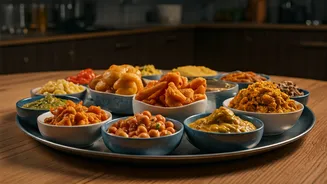
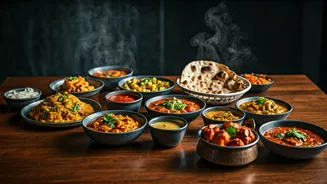
associated with a lack of sophistication. The word 'basic' gets thrown around—implying that comfort is found in the uncomplicated, the unchallenging, the easily assembled. It’s a narrative that suggests true solace is artless. This perspective, however, misses a world of culinary expression where comfort is woven from complexity. It overlooks traditions where the most comforting dishes are also some of the most time-intensive and technique-driven. Nowhere is this more evident than on an Indian menu, where the food that nourishes the soul is often a masterpiece of patience and spice.
Khichdi: More Than Just Rice and Lentils
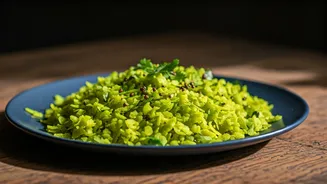
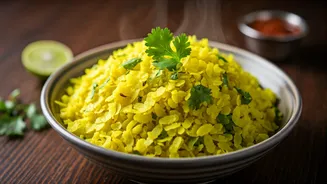
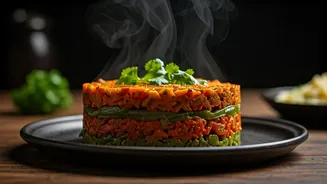
If India has a dish equivalent to chicken noodle soup in its comforting, healing properties, it’s khichdi. On the surface, it sounds deceptively simple: rice and lentils cooked together. But to call it 'just' that is to miss the point entirely. Khichdi is a canvas. In its most basic form, it's a gentle, restorative meal for someone who is unwell. But for a family meal, it’s elevated with ghee, toasted cumin seeds, turmeric, and ginger. The real magic often comes from the *tadka*, or tempering—a final flourish of spices bloomed in hot oil or ghee and poured over the dish. This single step can introduce layers of flavor, from smoky mustard seeds to earthy asafoetida. Every household has its own version, its own comfort-infusing ratio of grain to legume, its own signature spice blend. This isn't a one-pot dump-and-go meal; it's a carefully calibrated act of nourishment.
Dal Makhani: The Art of Slow Simmering
On the other end of the comfort spectrum lies Dal Makhani, a dish that scoffs at the idea that comfort should be quick. Translating to 'buttery lentils,' this Punjabi specialty is the embodiment of luxurious, slow-cooked patience. Made with whole black lentils (urad dal) and a smaller portion of kidney beans, its iconic creamy texture and deep, smoky flavor don't come from a quick stir in a pot. Traditionally, Dal Makhani is simmered for hours, sometimes overnight, over a low flame. The lentils slowly break down, melding with ginger, garlic, tomatoes, and a generous amount of butter and cream. The long cooking time isn't just about making the lentils tender; it’s about developing a profound depth of flavor that can’t be faked or rushed. Ordering this dish is ordering a piece of culinary history that values time as the most essential ingredient. It’s the polar opposite of 'basic.'
Rajma Chawal: The Taste of a Sunday Afternoon
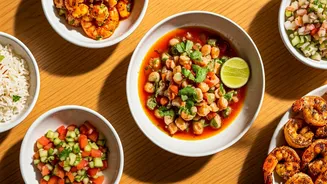
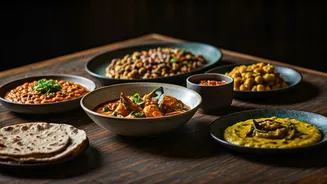
For millions in North India, the ultimate comfort food isn’t a dish but a pairing: *rajma chawal*, or kidney bean curry with steamed rice. This is the quintessential Sunday lunch, the meal that signals a day of rest and family. The rajma curry itself is a universe of flavor. The beans are soaked overnight, then pressure-cooked until perfectly tender but not mushy. The gravy is a complex symphony of puréed onions, tomatoes, ginger-garlic paste, and a proprietary blend of spices (*masala*) that varies from one kitchen to the next. Does it have a hint of cinnamon? Is there a touch of dried pomegranate powder for tang? The beauty of rajma is its infinite, personal variation. The comfort it provides isn't just in its heartiness; it's in the nostalgia for home, for family gatherings, for a specific taste that means 'you are safe here.' This level of emotional and culinary depth is something the word 'basic' could never hope to capture.