
Beyond the White Box
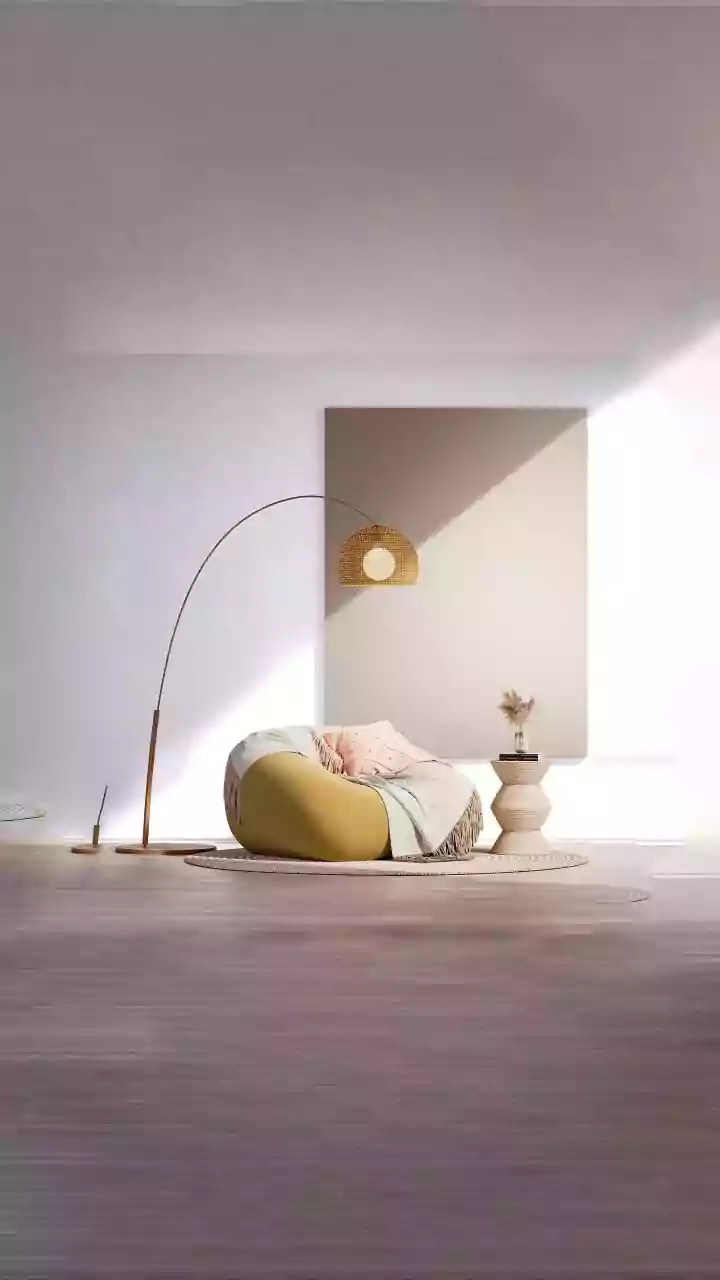
For years, the popular image of minimalism was a stark white room, perhaps with a single, perfectly placed chair. While visually striking in a photograph, living in such a space can feel less like a sanctuary and more like an art gallery you’re not allowed
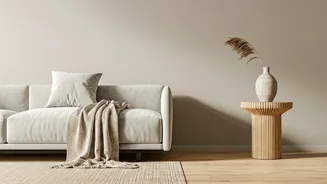
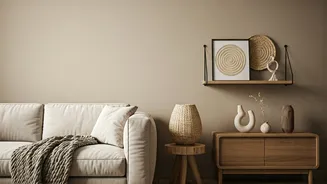
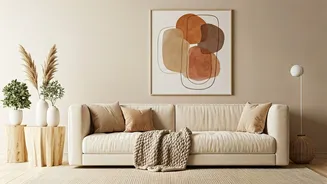
to touch. The evolution of this aesthetic, often called “warm minimalism” or “soft minimalism,” moves beyond mere reduction. It’s an approach that values not just the absence of clutter but the presence of meaning, texture, and soul. The goal is to create a calm and ordered environment that still feels deeply personal and human. This is where craft comes in. A well-chosen, beautifully made object doesn’t add clutter; it adds character. It tells a story and grounds the space in something tangible and real.
The Power of Natural Texture
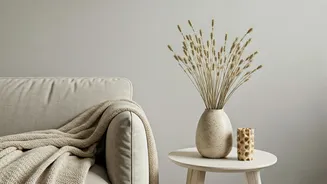
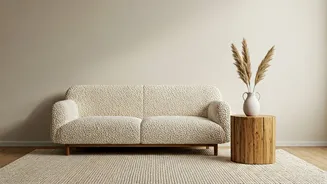
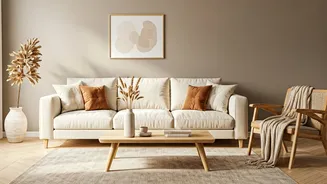
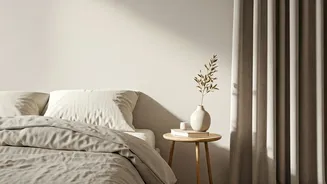
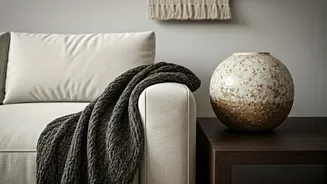
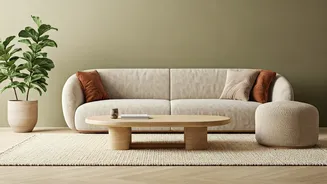
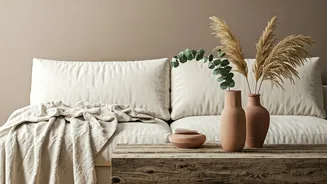
One of the quickest ways to counteract the coldness of a spare room is to introduce rich, natural textures. Mass-produced polyester throws and synthetic rugs often have a flat, uniform appearance. Instead, look for materials that show the hand of their maker or the beauty of their natural origin. Think of a chunky, hand-knit wool blanket draped over a sofa, a nubby linen curtain that filters light beautifully, or a hand-woven jute rug that adds an earthy feel underfoot. These textiles invite touch. Their imperfections—the slight variations in the weave, the natural slubs in the fabric—are not flaws. They are features that catch the light in interesting ways, absorb sound to make a room feel quieter, and provide a tactile richness that’s deeply comforting.
Objects with a Story
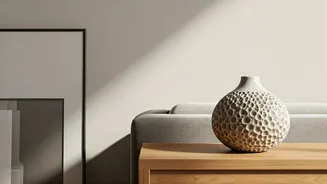
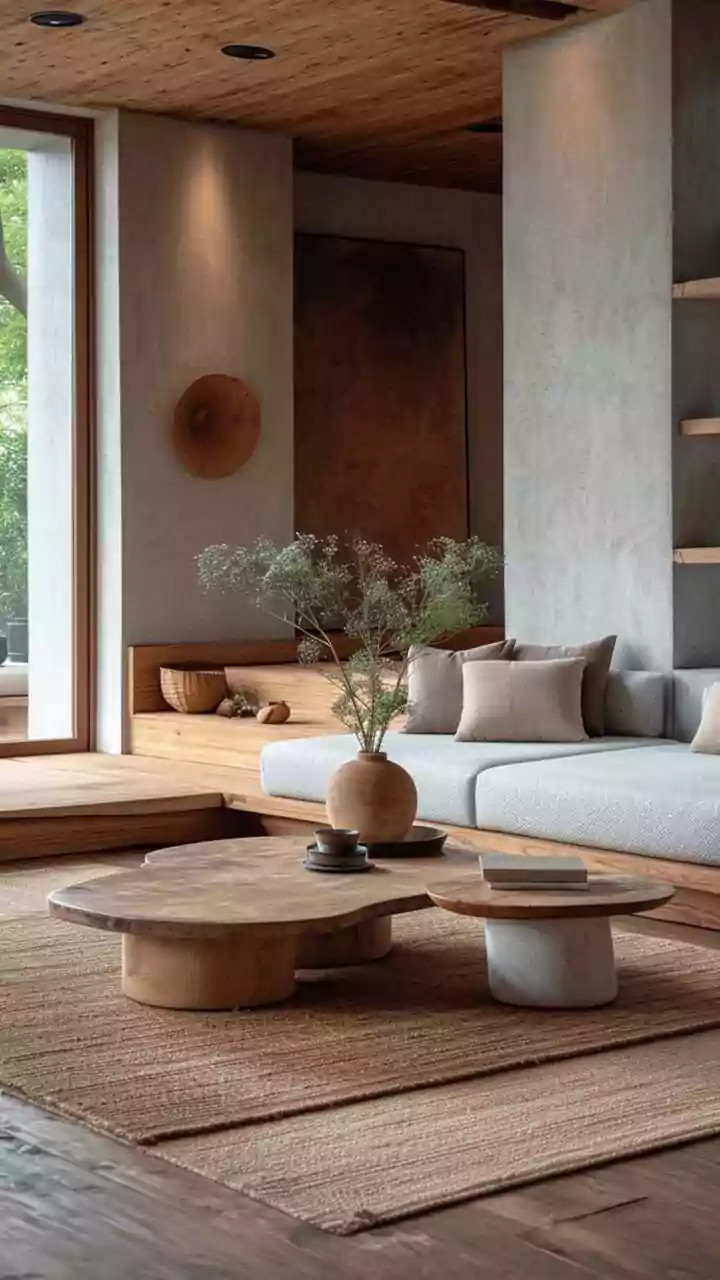
In a minimalist home, every object has a job to do. Some are purely functional, but the most impactful pieces do double duty, serving a purpose while also acting as a small piece of art. This is especially true for handmade decor. A set of matching, factory-made coffee mugs does its job, but a single, hand-thrown ceramic mug with a unique glaze feels special every time you use it. Its subtle asymmetries and the mark of the potter's hands give it a life that no machine can replicate. Apply this thinking to other small items: a hand-carved wooden bowl on a coffee table, a set of stoneware plates for daily use, or a unique ceramic vase, even without flowers. These aren't just decorative fillers; they are carefully chosen items that elevate everyday rituals and reflect a commitment to quality and artistry.
Furniture as Sculpture
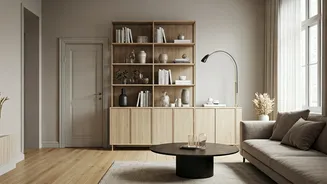
While decor adds personality, furniture forms the backbone of a room. In a minimalist setting, where there are fewer pieces, each one carries more visual weight. This is an opportunity to choose furniture that is itself an example of fine craftsmanship. Look for details that reveal how a piece was made. This could be the visible joinery on a solid wood dining table, like dovetail or mortise-and-tenon joints, which signal durability and skill. It might be the gentle curve of a hand-sanded chair arm or the patina on a piece of hand-forged hardware. Even lighting can be artisanal. A sculptural pendant light or a beautifully turned wooden lamp base can serve as the focal point in a simple room, providing light while also being an object of beauty. These pieces turn functional items into lasting investments.