





A Daily Mountain of Fresh Scraps
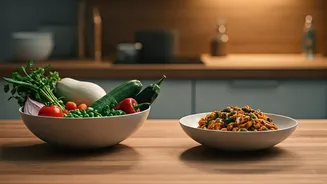
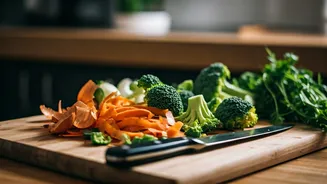
The foundation of most Indian meals isn't found in a box or a can; it's built from scratch with fresh produce. A typical day of cooking might involve peeling potatoes for an aloo gobi, chopping onions and tomatoes for a masala base, shelling peas for matar
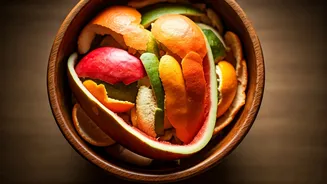
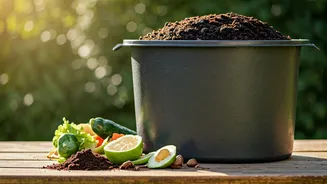
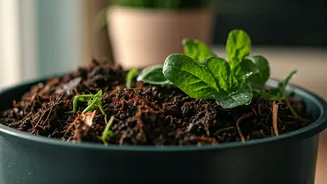
paneer, and destemming heaps of cilantro and mint for chutney. This reliance on whole vegetables and fruits generates a significant, consistent stream of organic waste. Unlike a kitchen that relies more on pre-chopped, frozen, or processed foods, the Indian kitchen produces a daily bounty of peels, cores, stems, and seeds. This isn't occasional waste; it's a predictable byproduct of the cuisine itself, providing the steady volume of "green" material that a healthy compost pile craves.
The 'Clean' Waste Stream
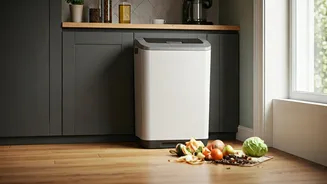
What goes into a compost bin is as important as what stays out. Composting thrives on pure organic matter but struggles with processed foods laden with preservatives, excessive oils, and dairy, which can attract pests and create foul odors. The waste from a traditional Indian kitchen is remarkably 'clean.' The scraps are primarily raw vegetable and fruit matter. Think about what’s left after preparing a simple dal and rice with a side of sabzi (vegetable stir-fry): lentil water, rice water, and a pile of vegetable peels. There are no half-eaten TV dinners, greasy pizza boxes, or plastic-wrapped cheese slices to contaminate the pile. This lack of contamination makes the resulting compost purer and the process far less smelly and more straightforward, removing a major barrier for many aspiring home composters.
The Power of Tea and Ritual
Beyond meal prep, daily rituals contribute mightily to the compost pile. In countless Indian households, the day begins and ends with chai. The process of boiling tea leaves (often with ginger and cardamom) leaves behind a perfect, nitrogen-rich slurry that is compost gold. Similarly, the tradition of filter coffee in South India produces a daily helping of coffee grounds. These aren't just one-off ingredients; they are the output of a daily, near-sacred routine. This consistent supply of nitrogen-rich material perfectly balances the carbon-heavy scraps like fruit peels and vegetable stems, creating a naturally ideal ratio for decomposition without the home cook having to think much about it.
A Mindset of Resourcefulness
Perhaps the most crucial element is a cultural mindset of frugality and resourcefulness. Historically, wasting nothing was a matter of survival and respect for food. This philosophy is evident in how ingredients are used 'nose-to-tail'—or in this case, 'root-to-leaf.' Tough cauliflower stems are pickled or thrown into stews, watermelon rinds are used to make curries, and potato peels are sometimes fried into crispy snacks. What is ultimately discarded is only what is truly inedible. This deep-seated culture of minimizing waste means the food scraps that do end up in the compost bin are part of a mindful cycle, not just careless trash. This transforms composting from a chore into a natural extension of the cooking process itself—the final step in honoring the ingredients.