






The Promise of a Simple Answer
In a world of complex ingredient lists and vague 'may contain' warnings, the appeal of a pocket-sized food scanner is obvious. Companies have developed sleek devices that claim to detect specific unwanted substances in your food within minutes. For someone
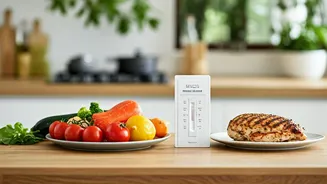
with celiac disease, a severe nut allergy, or just a desire to avoid pesticides, the pitch is powerful: regain control and eat without fear. The idea is to take a small, pea-sized sample of your meal, place it into the device or a single-use test capsule, and get a simple notification—a smiley face or a red warning light—that tells you if the target substance is present. This technology aims to replace anxiety with certainty, turning a stressful dining experience into a relaxed one.
How These Gadgets Work
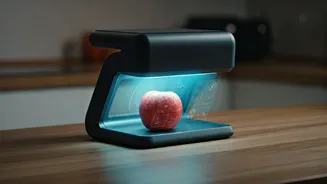
Most of these testers, like the well-known (and controversially rebooted) Nima sensor or The Allergy Amulet, use antibody-based science that’s been miniaturized for consumer use. It’s similar to the technology in a home pregnancy test. You place a food sample into a capsule containing a specific antibody solution. If the target protein (like gluten or peanut) is in the food, it binds to the antibodies, triggering a chemical reaction that the electronic sensor then reads and reports. The process is designed to be fast and user-friendly, abstracting away the complex chemistry into a simple, digestible result. Other devices on the market claim to use different methods, like spectroscopy, to analyze the chemical makeup of food and identify pesticide residues, though these are often less common and have faced their own questions about accuracy.
The Crucial Question of Accuracy
Here's where the simplicity gets complicated. While these devices can and do detect target substances under the right conditions, their real-world reliability is a subject of intense debate among allergists and food scientists. The first major issue is sampling. A test on a tiny piece of a lasagna might come back negative for gluten, but another part of the dish could be cross-contaminated. A single test can't speak for the entire plate. Secondly, there’s the issue of sensitivity thresholds. A device might be set to detect gluten above 20 parts per million (the FDA standard for 'gluten-free'), but it might miss levels of 15 ppm—which could still trigger a reaction in a highly sensitive individual. Conversely, they can also produce false positives, causing unnecessary alarm and food waste. Experts often warn that these devices can create a false sense of security, leading users to be less vigilant than they otherwise would be. They are not considered a substitute for medical-grade testing or strict avoidance for those with life-threatening allergies.
Beyond the Price Tag: Is It Worth It?
The financial investment isn’t trivial. A starter kit for a food tester can cost hundreds of dollars, and the single-use test capsules add a recurring expense of several dollars per test. If you test food multiple times a day, the costs can quickly rival your grocery bill. But the bigger consideration is the psychological one. For some, these devices provide invaluable peace of mind and have helped them identify hidden allergens in 'safe' foods. They see it as one more tool in their arsenal. For others, the reliance on the device can amplify anxiety. What if the battery dies? What if you run out of capsules? What if the result is positive at a restaurant, creating an awkward situation? The consensus seems to be that these testers are best suited for the 'wellness-curious' who want to double-check claims, or as a secondary check for those with diagnosed conditions—but never as their only line of defense.