



Start with a Solid Foundation
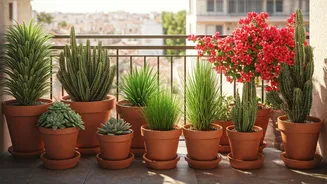
Before you even think about plants, think about their home. Healthy soil is the first line of defense against heat stress. For container gardening, use a high-quality potting mix that retains moisture without becoming waterlogged. Avoid dense, heavy garden soil which
can bake into a solid brick in the sun. The most important addition is a two-inch layer of mulch, like wood chips, straw, or shredded bark. Mulch acts as a protective blanket, shielding the soil from direct sun, keeping roots cooler, and dramatically reducing water evaporation. This simple step means you water less and your plants stay happier.
Water Smarter, Not Harder
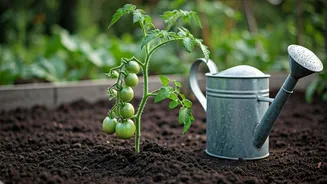
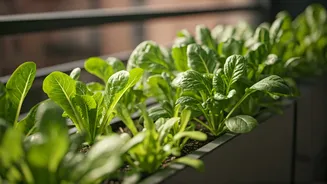
The instinct during a heatwave is to douse your plants daily, but this can often do more harm than good by promoting shallow roots and fungal growth. Instead, water deeply but less frequently. The goal is to encourage roots to grow downward in search of moisture, making them more resilient. Check the soil by sticking your finger two inches deep; if it's dry, it's time to water. Always water in the early morning to minimize evaporation and allow the foliage to dry before the intense afternoon sun hits. For a truly low-maintenance setup, consider self-watering containers, which have a built-in reservoir that provides a steady supply of moisture to the roots from below.
Choose Your Plants Wisely
This is where the real “hack” comes in. Instead of fighting to keep delicate plants alive, choose greenery that is naturally adapted to heat and sun. Many species from Mediterranean or prairie climates are perfect candidates. These plants have evolved to handle tough conditions with features like silvery foliage that reflects sunlight, waxy leaves that reduce water loss, or deep taproots that find hidden moisture. By selecting plants that want to be in the sun, you’ll spend less time worrying and more time enjoying your vibrant urban space. The following are some nearly indestructible choices perfect for a heat-proof garden.
Heat-Loving Heroes: Flowers
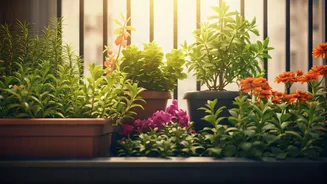
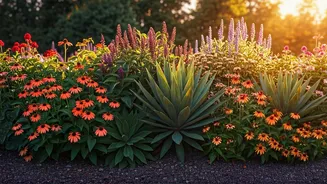
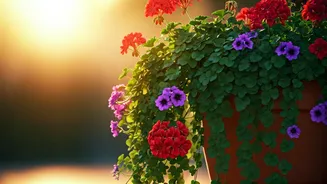
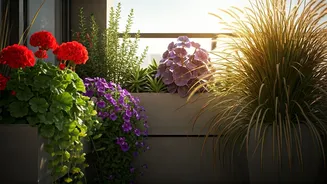
For a splash of color that won’t wilt, look to perennials that thrive in the heat. Coneflower (Echinacea) and Black-Eyed Susan (Rudbeckia) are classic American prairie flowers that stand tall in the summer sun, offering bold color and attracting pollinators. Yarrow (Achillea) is another fantastic choice, with feathery foliage and flat-topped flower clusters that come in a range of colors and seem indifferent to drought. For trailing color in hanging baskets or containers, look no further than Lantana, which produces continuous blooms in scorching weather and is a favorite of butterflies.
Architectural Interest: Succulents & Grasses
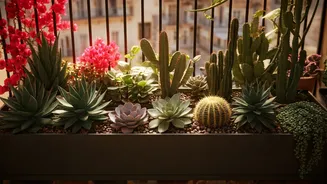
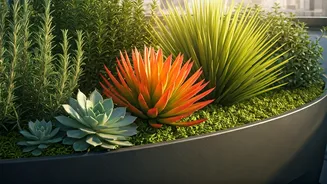
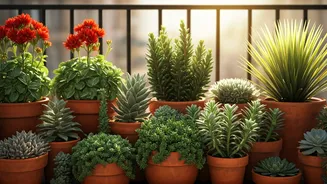
For modern, low-water style, nothing beats succulents. Sedum (Stonecrop) varieties offer a huge range of forms and colors, from low-growing groundcovers to taller 'Autumn Joy' types. For dramatic shape, a small Agave or Aloe in a pot adds a sculptural element that requires almost no care. Don’t overlook ornamental grasses, either. Varieties like Blue Fescue or Purple Fountain Grass add texture and movement to containers and are exceptionally drought-tolerant once established, swaying gracefully in the hot summer breeze instead of shriveling up.
Functional Flavor: Resilient Herbs
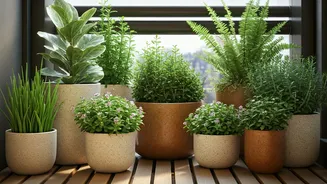
Many of the most popular culinary herbs hail from the hot, dry climate of the Mediterranean, making them perfect for a sun-drenched urban garden. Rosemary, thyme, sage, and oregano all thrive on neglect and intense sun. In fact, their aromatic oils become more concentrated in the heat, meaning your home-grown herbs will be even more flavorful. Plant them in gritty, well-draining soil (like a cactus mix) and water sparingly. They not only provide fresh flavor for your kitchen but also add a lovely, fragrant texture to your garden arrangement.